




Parenting Tips
Choosing a Child Care Program
For parents, finding the right child care program for your family is an important decision. Here are important things to consider when choosing where…

Parenting Tips
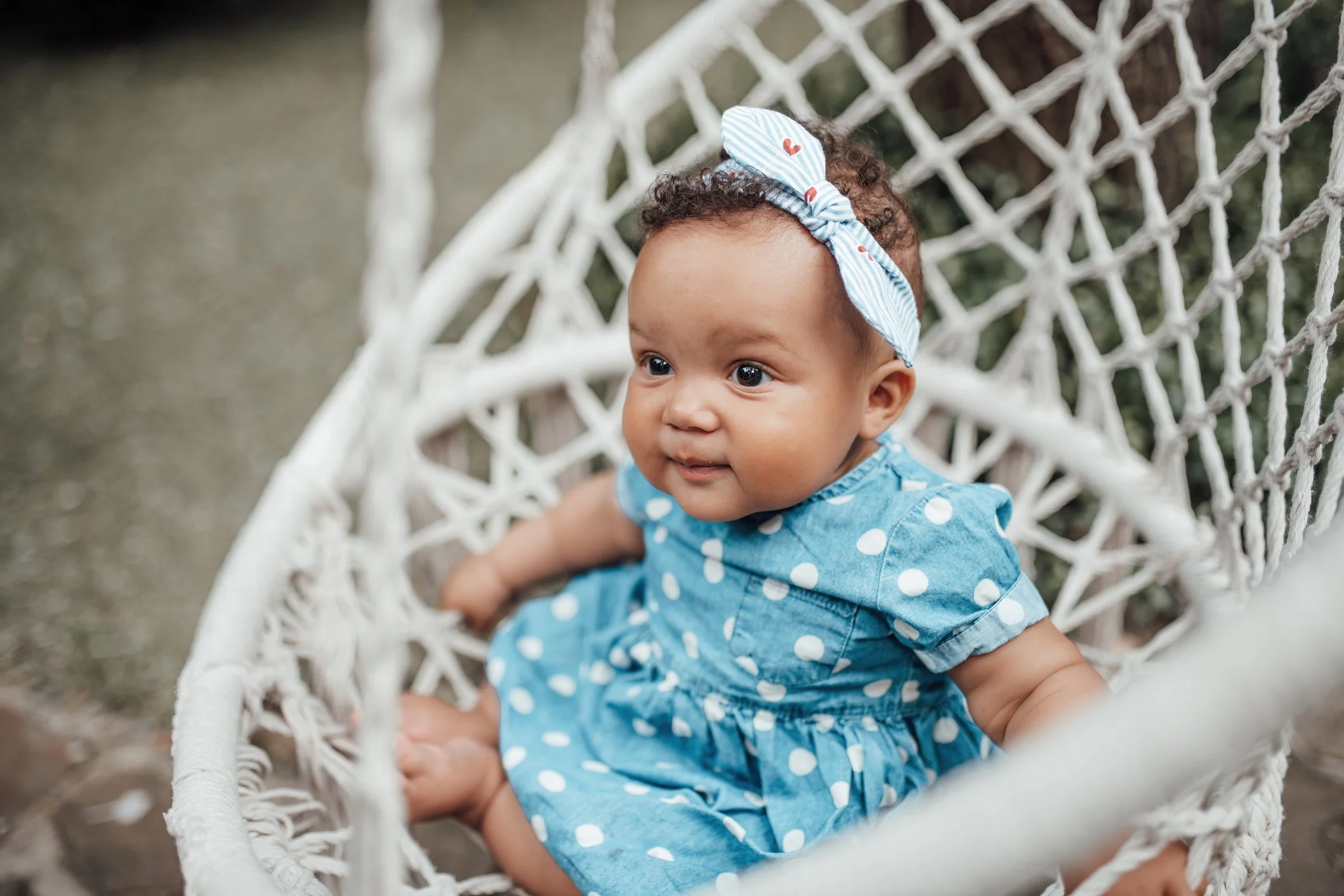
Summertime is here and thriving. It’s hotter than we can ever imagine, and for our brown babies, there’s a lot to consider. The aesthetics of summer are one thing, but the ongoing care of these babies is something deeper, it’s a practice of cultural connection, and getting fluent in it can help parents who are not Black or Brown feel more grounded in raising a child who the world will insist belongs to a community they themselves didn’t grow up in.
I hear a lot from white parents about the experience of “Black Aunties” offering advice, often when the parents feel like they’ve already done everything right. Some welcome it. Some feel confronted by it. Some of you have no Black references outside of YouTube and Facebook groups, and I’m not here to judge either way. As a Black woman, parent, and grandmother who works in growth and development coaching across several sectors, I can tell you the concern comes from love. The Black community doesn’t separate children raised by other communities, biracial or not, from the center of community care. Slavery may not be visible in our society anymore, but the subconscious belief in a right of ownership over Black and Brown bodies still is.
I’ve said this before and I’ll say it again: most of the work I do with biracial Black and white adults who were deeply harmed as children. Ninety-nine percent of them recognize that their first, and ongoing, experiences of racism came from their own family.
That’s not just heartbreaking. It’s complicated, and it goes straight to the core of their ability to build an honest sense of who they are in either community they belong to.
What I’m offering here is a surface-level start. It is an early, practical awareness of how your baby will need to navigate the social ups and downs they’ll inevitably face. This kind of “knowing” is just the beginning of a practice that’s standard in Black and Brown communities. It’s expected the way it’s expected that you’d use a fork to eat noodles. It’s common sense. And it starts somewhere very simple: skin and hair.
I hope most parents have learned by now that lotion by itself isn’t a long-term solution for richly melanated skin, it just doesn’t last. Solution mixes with high levels of shea butter, cocoa butter, and coconut oil are fantastic for baby’s skin, all the way through adulthood. Those oils on their own, whipped, are sometimes even better.
What people usually get wrong isn’t what they buy but it’s how often they apply it. This isn’t a once-after-bath situation, especially in summer, and even more so in winter. You apply it multiple times a day. It should live in your diaper bag, your carry bag, and eventually their locker in middle school and high school. How well you care for your Black and Brown baby’s skin is a real indicator of how well you’re caring for them, period.
This is tradition and connection, not vanity. Beauty is a fortunate bi-product. Beyond leaving their skin bright and shiny, you’re giving your baby a massage and connecting with them multiple times a day. As they get older, they’re connecting with their own body doing it themselves and it genuinely massages the lymph nodes. It’s a healthy practice all around.
It’s summer, so water play is probably on the weekly schedule if not daily, which means oils and lotion mixes are necessary, but let’s talk about hair.
Please, please, please check on the health of their hair. Afro-textured hair needs love almost immediately after water play, to avoid knots and the tears that come with combing them out. A spray bottle with water and a little conditioner mixed in is a great tool to use right after water play ends. Brush through it quickly while it’s still wet, spray it, and pull it into a quick ponytail; your kiddo will feel taken care of, look cute, and feel on top of the world before they pass out in the back seat on the way home. Side note: Wide brushes, wide tooth combs, or split back brushes (a detangling brush) especially work well to keep their curls and coils intact when brushing through them.
Just make sure not to leave their hair in a wet ponytail for longer than the car ride. If it’s taking a while to dry, their scalp needs air. Adding tea tree oil to their scalp (if there are no allergies at play) can also help protect against fungus. If your baby’s hair is long enough, I’d suggest braiding it. It doesn’t need to be fancy for water play. Simple four-square braids work well: easy up, easy down.
One more note on hair, for the love of all things inclusive: please add the appropriate oils to your baby’s hair, even if they only have “two scoops” of hair — short and just budding. A scalp massage encourages oxytocin, dopamine, and all-around cuddle vibes. Not every baby loves a head rub, but taking care of their scalp and hair matters regardless. Even this minimal approach supports healthy hair growth and scalp health for the long run.
A great book to read with kiddos who struggle with the beauty of their hair is Hair Love ABC’s by Cherry Matthew, A. Harrison, Vashti, Cool Cuts by Mechal Renee Roe, I am Enough Grace Byers are a few. Whichever you find by googling “ Books for Black hair love for children” and read it early and often. Same goes for skin: start the self-love affirmations early, too.
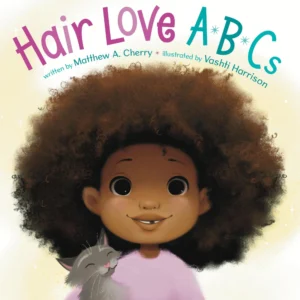
Hair Love ABC’s by Cherry A. Matthew
Cheers to summer. Cheers to shiny, moisturized baby smiles, to well-oiled curls and ponytails jumping for joy. Parents, you’re doing great. Go enjoy the sunshine.
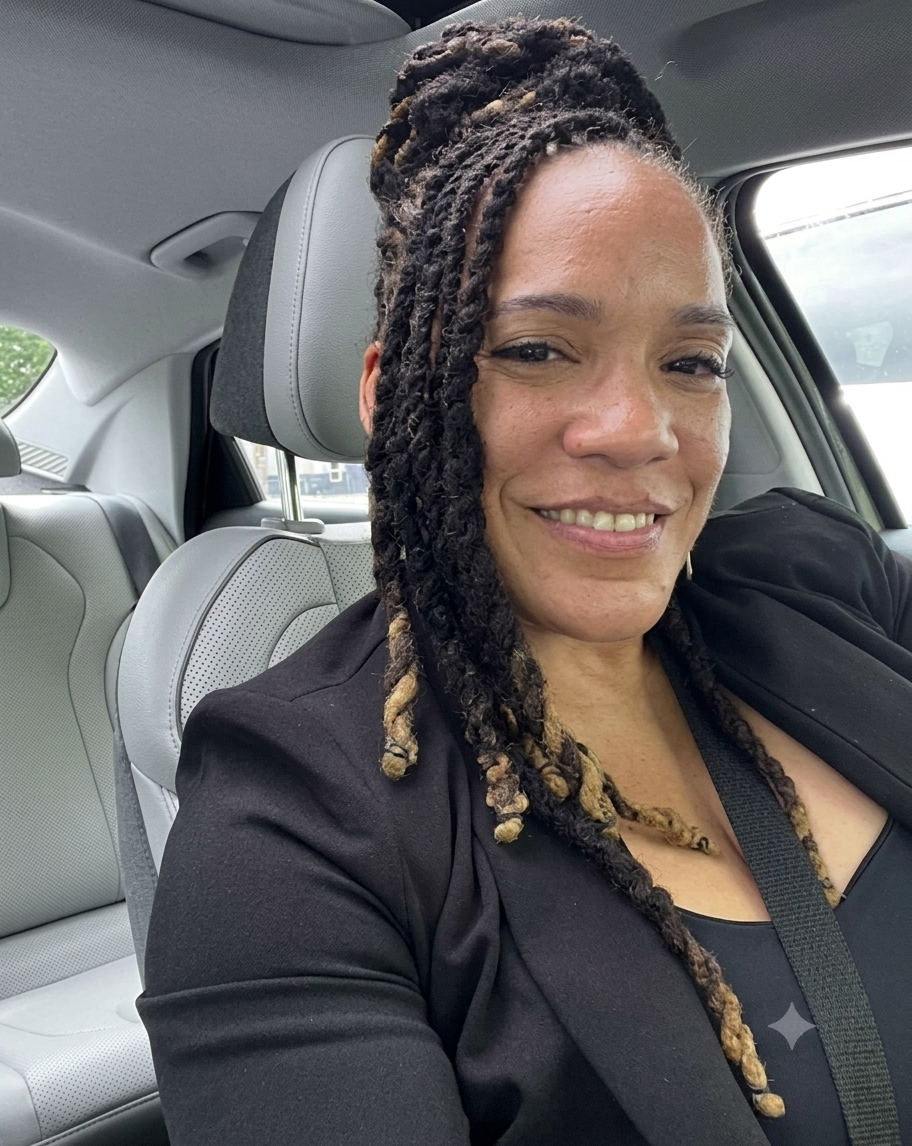
Ayisha Elliott is a mother, grandmother, and relational parenting guide who understands the beautiful complexity of raising Black children in today’s world. As a mother of three and grandmother of five—currently raising three of her grandchildren—she brings both lived experience and 25 years of professional expertise in relationship-centered approaches to the everyday realities of parenting across generations. From navigating school systems and cultural identity to managing sibling dynamics and travel logistics with children, Ayisha has learned that the same principles that transform organizations can revolutionize family life. As the content producer of the podcast Black Girl From Eugene, award-winning columnist, and sought-after speaker, Ayisha creates authentic conversations about what it means to raise confident, grounded children while honoring their heritage and preparing them for the world as it is. Her unique perspective comes from successfully balancing entrepreneurship with hands-on parenting, traveling internationally with the children she’s raising, and understanding that every parenting decision carries both personal and cultural weight. Through her writing and speaking, Ayisha offers practical wisdom, honest reflection, and relationship-building strategies that help Black families thrive—not just survive—in complex times.
Parenting Tips
For parents, finding the right child care program for your family is an important decision. Here are important things to consider when choosing where…
Health & Development
Our routines, relationships with other people, and perspectives on life all influence our wellbeing. When we share these parts of our lives with kids,…