Keep Halloween Spooky, Not Harmful

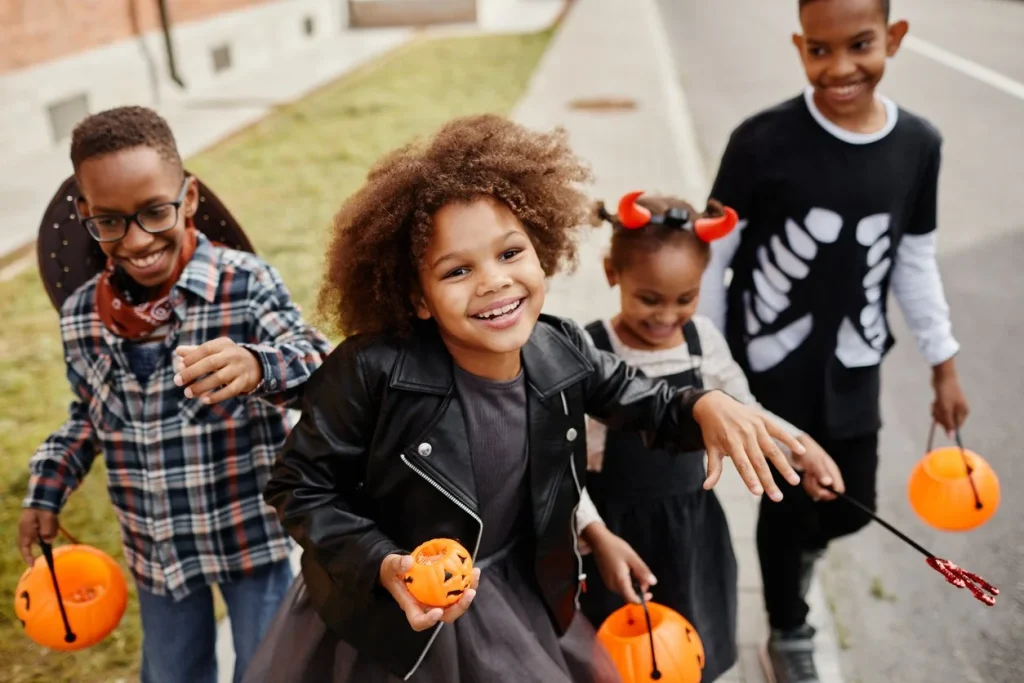
Children in Halloween costumes trick-or-treating with pumpkin buckets

If you follow my work you know that in all of my endeavors my focus is to reduce harm. There’s no way to eliminate harm but when you know better you can certainly do better and that gesture alone can ripple into a cascade of awareness and kindness for our collective communities. During all holidays, I find this to be even more important, as during this time of year we want to focus on positive collective impact and not uniformed practices that rely on bypassing burden.

Let us remember that Halloween can be magical for children. From their first costume as babies; dressed as pumpkins with orange cheeks and tiny leaf head pieces, or as adorable kittens and witches, to their excited trick-or-treating years, in the United States this holiday centers around childhood enjoyment. I personally love to see the creativity of each person who comes to my door. If it aligns with your family’s values, there’s nothing wrong with celebrating Halloween. However, as we approach Halloween 2025, it’s crucial for all parents to understand which practices cause real harm.

In American tradition, October 31st marks when the veil between our world and the spirit world grows thin. The custom of scary decorations and costumes originally served a purpose: to blend in with wandering spirits so they wouldn’t target your home or family. Children dress as frightening creatures to disguise themselves from actual threats that are now “among us”. Keeping this in mind, may help clarify why using someone else’s identity or culture as your “shield” is inappropriate.

Lets break down some simple examples:

  1. Painting your child’s skin black or brown is never acceptable. This practice has deep historical roots in minstrelsy, which depicted Black people as unintelligent performers existing for white entertainment. No character requires darkening skin to complete a costume when done respectfully.

  2. Afros are not costumes—they’re natural hair that grows from people’s bodies worldwide. Wearing disheveled afro wigs perpetuates harmful stereotypes that cast Black hair as “unkempt,” “unprofessional,” or “wild” when worn naturally, and beautifully by Black people ourselves.

  3. Deities, religious figures, and cultural identities are not props. Hindu priests, Indian goddesses, Egyptian royalty, and historical figures like the Queen of Sheba are deeply meaningful to millions of people daily and around the world. They’re not tools to “scare away demons” or entertainment for Halloween night.

Halloween offers endless creative possibilities: zombies, witches, vampires, scarecrows, spiders, ravens, ogres, ghosts, skeletons, and countless other spooky creatures. Focus on these traditional elements rather than appropriating identities, cultures, or appearances that aren’t yours to wear for fun or entertainment. Teaching your little ones to stay within the moment

Let’s keep Halloween about children’s laughter, spooky fun, and candy bags they won’t want to share, while ensuring everyone can celebrate and we can actively reduce racial and cultural harm at the same time.
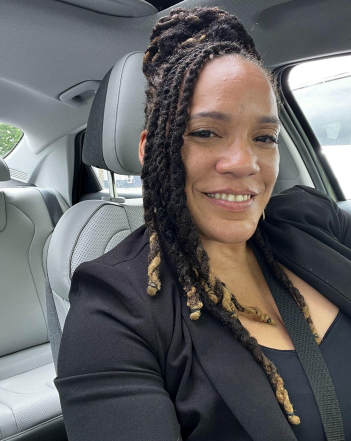
Ayisha Elliott is a mother, grandmother, and relational parenting guide who understands the beautiful complexity of raising Black children in today’s world. As a mother of three and grandmother of five—currently raising three of her grandchildren—she brings both lived experience and 25 years of professional expertise in relationship-centered approaches to the everyday realities of parenting across generations. From navigating school systems and cultural identity to managing sibling dynamics and travel logistics with children, Ayisha has learned that the same principles that transform organizations can revolutionize family life. As the content producer of the podcast Black Girl From Eugene, award-winning columnist, and sought-after speaker, Ayisha creates authentic conversations about what it means to raise confident, grounded children while honoring their heritage and preparing them for the world as it is. Her unique perspective comes from successfully balancing entrepreneurship with hands-on parenting, traveling internationally with the children she’s raising, and understanding that every parenting decision carries both personal and cultural weight. Through her writing and speaking, Ayisha offers practical wisdom, honest reflection, and relationship-building strategies that help Black families thrive—not just survive—in complex times.
The Value of Parenting Supports

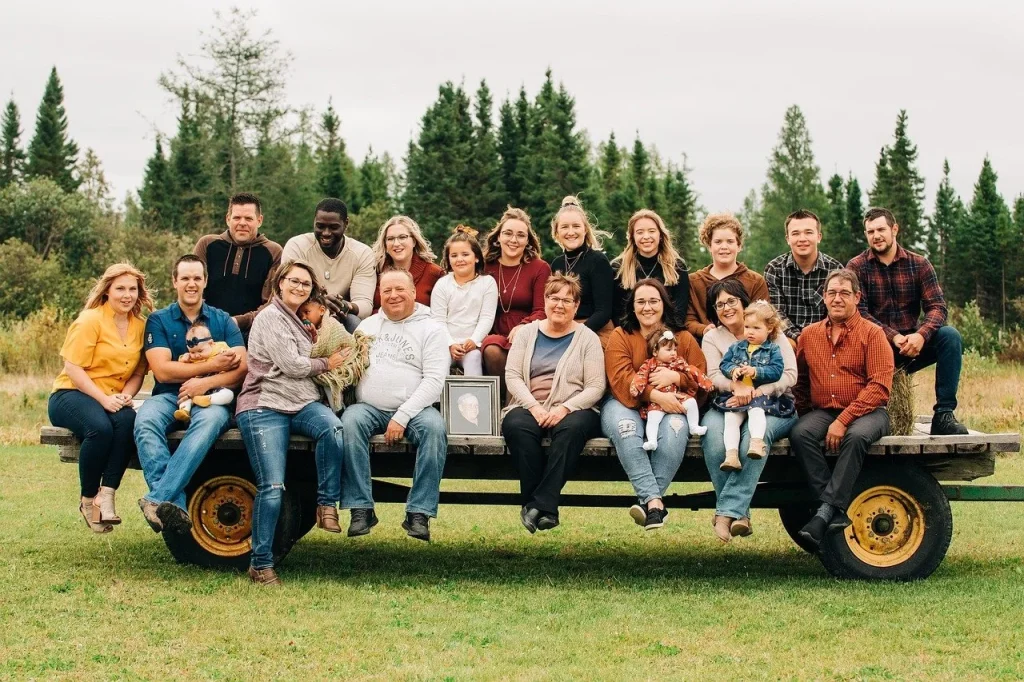
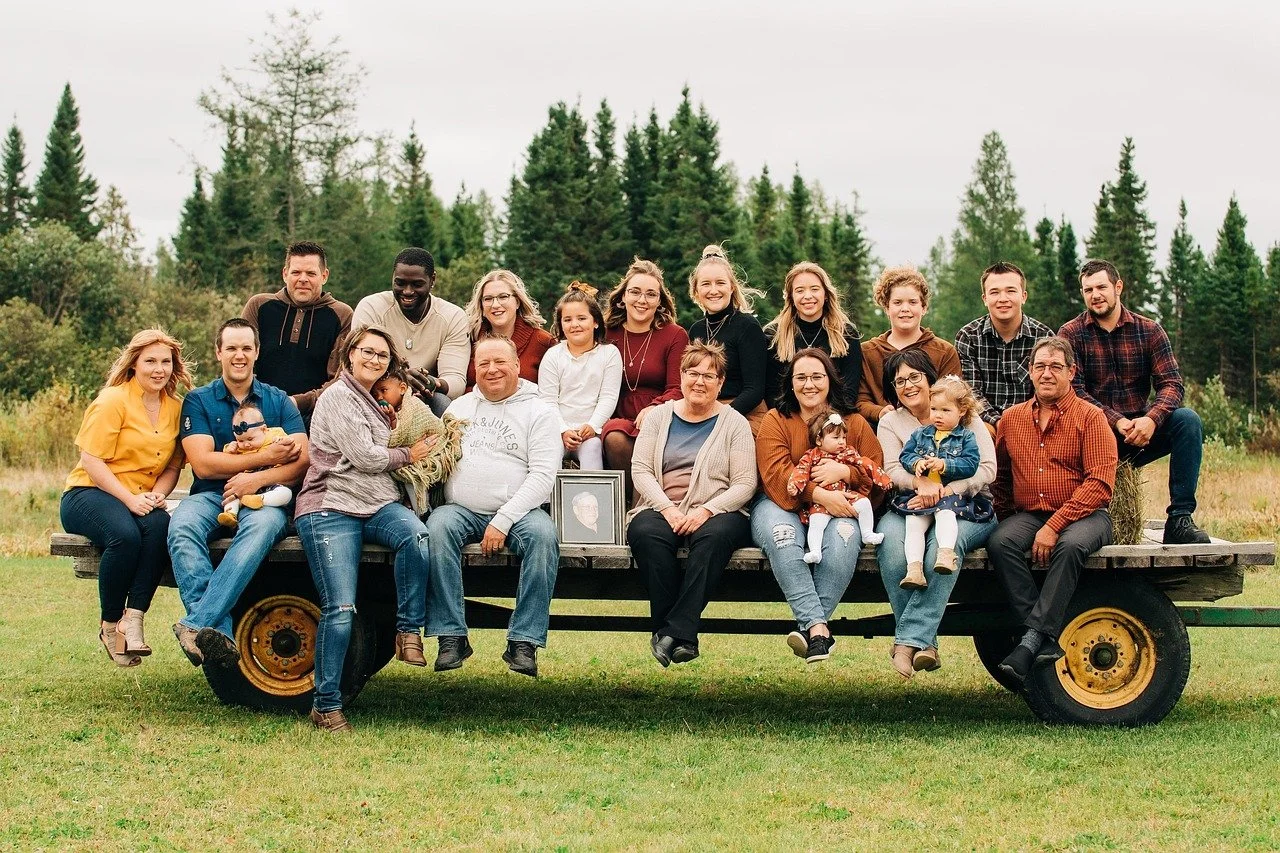
Large extended family posing together outdoors on a hay wagon

A couple of years before I decided to have a child, I relocated from Upstate New York to Oregon. My greatest concern about being in a new place as a new parent was how I could get the social support and practical information I needed to become the best parent that I could to be. That’s when I discovered some local parenting groups that were available to me.

In these parenting groups, which were designed for families with young children, I found a sense of belonging, my struggles were normalized, and I got to share the many joys and challenges of parenting with others going through similar experiences. For many years now, I have cherished the friendships that grew out of those early group connections, and we’ve celebrated our children (who have become amazing young adults.) It does indeed take a village!

What to expect

Parenting groups are often put together by family-centered organizations and are run by Parenting Educators. Parenting Educators facilitate parenting groups for families to explore what they want and need on their unique journey. In addition to guiding the group through meaningful activities and supporting topical discussions, the facilitator can also offer information on other local resources families may want or need.

As new parents we were asked by our facilitator to name our values in a guided activity. Knowing our family values helps us to focus on the important things in our everyday interactions as we parent our children. We visualized our children growing up into adulthood, and imagined the types of experiences, skills, and knowledge they could have by the time they got there. The beauty of this exercise is that as a diverse group of parents we can each choose what we value and learn how to achieve our goals through our family practices and daily routines.

In our parenting group we also focused on the benefits of adult self-care and stress management, so that we can communicate and connect with our children in nurturing and responsive ways. We explored the importance of understanding and meeting the child’s needs at different developmental ages and stages, and adjusting our approach for individual differences in temperament. We examined ways to build strong parent-child relationships, connect using the power of play, and offer positive guidance and discipline strategies to help our children learn and grow in healthy ways.

I’m grateful for the parenting groups I participated in over the years. I treasure the information I gained from the content offered and the way other parents were there for me. My wish for all families is to find a way to engage with others and have meaningful connections that help us thrive.

As a parent, I do not believe that we are meant to raise our children alone.

Resources

For families living in Lane County, here are some of the local parenting resources available to you. Check out a parenting class or family resource today!

Early Childhood Hub of Lane County

Eugene Public Library Parenting Supports

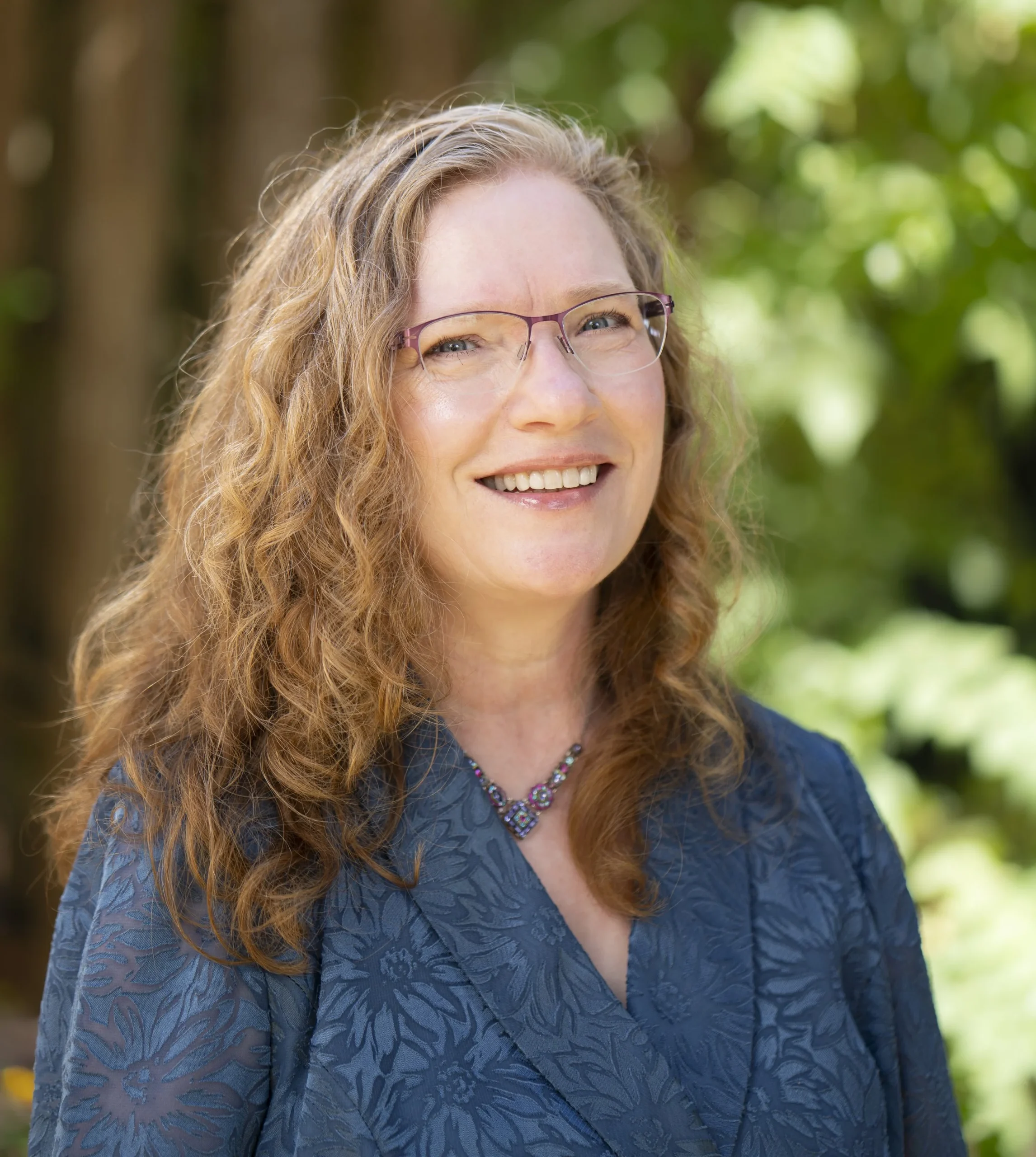
Aoife Rose Magee, PhD, earned a doctoral degree in Special Education from the University of Oregon Early Intervention Program. Her personal and professional interests have been largely focused on the social-emotional development of young children and how positive parenting and teaching practices may contribute to healthy development, promote resiliency, and mediate risk factors. Aoife is professional development specialist for students and practitioners in the areas of Early Childhood Education, Early Intervention/Early Childhood Special Education and Parenting Education.  Aoife serves as a Master Trainer for the Oregon Registry and frequently provides community based and private workshops for early childhood educators, parenting educators, and other professionals. For more than thirty years, she worked directly with families as a parenting educator, and she is a former Oregon Parenting Education Collaborative Hub Coordinator for the Parenting Success Network. She currently teaches as a full-time faculty in the Early Childhood Education Program at Lane Community College. She is also the mother of a fantastic young adult son and enjoys nature and creative pursuits in her spare time.

Know the Game: Is Your Child’s Classroom Set Up for Growth or Erasure?

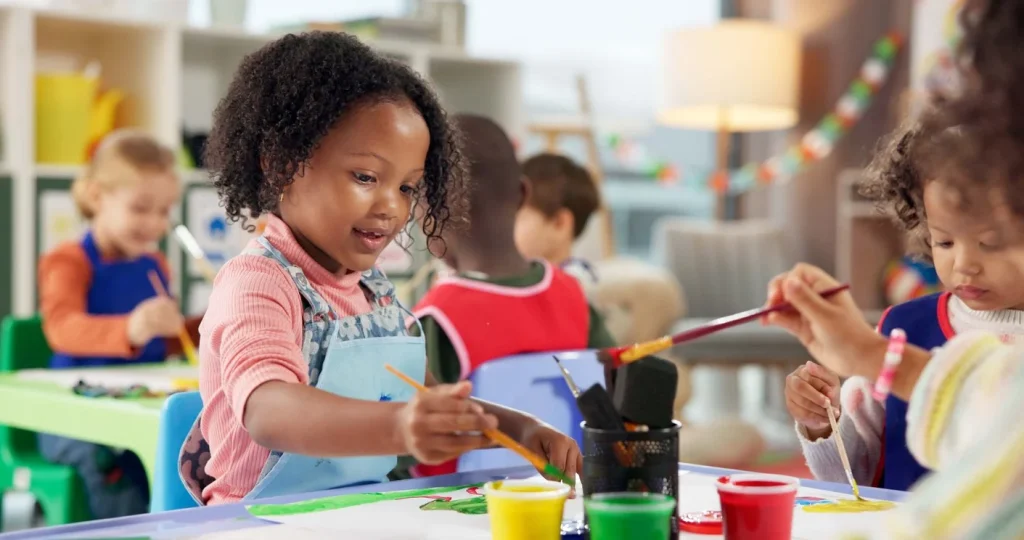
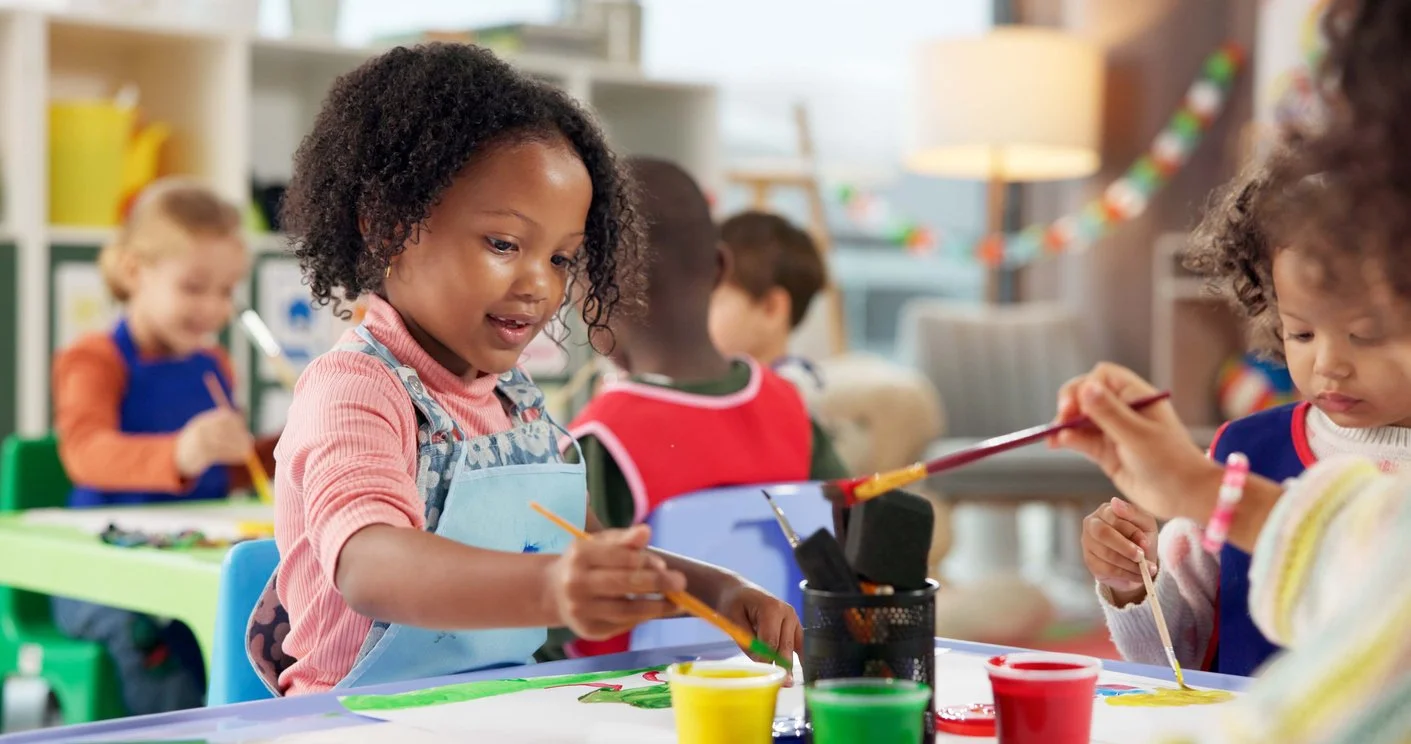
Children painting together at a classroom art table

As school time arrives, there’s so much to cover and yet so much we have to wait and see how it turns out. Undoubtedly, the school year brings hopes of friendship, growth, and a chance to see your child grow into a new version of themselves. Social interaction is critical for brain development, so the quality of those interactions is essential. The children want to connect. When we have little ones under the age of 8, the social interactions aren’t just with their friends—it’s also with the adults who guide them throughout their day.

When you are a parent of a Black child, the typical environment of any classroom has markers that are inherent indicators of one or two things: the classroom is set up for either their growth or their erasure. It may sound hyperbolic, but it is indeed one of the easiest mistakes parents in predominantly white spaces overlook—the visual, physical, and audio cues in classrooms that are rooted in eliminating the prospect of collaboration and diversity.

The assumption that your classroom has to have a percentage of representation reflective of the student body is technically and numerically accepted. However, it’s not generally a safe space for a growing mind to understand their full society. If there’s even just one child who is “different,” separating that difference as unique, unusual, or special is tokenism and effectively eliminates the truth that the space this person shares with others is uniquely lacking in diversity, not the other way around. It’s important to note the power dynamic of spaces that are homogeneously white rather than other ethnically coded cultural spaces. The tendency to lack general knowledge or the need to acknowledge other practices or norms is considered bad form. The “othering” is profound. It is deeply harmful. Whether this “othering” is loud or quietly practiced, your child feels it.

As I continue to write what may help you in assessing the safety of your Black child’s educational experience, I cannot emphasize enough that you MUST be an active participant in normalizing their existence far before they reach school. Their skin, their hair, their bodies, their sensibilities ARE different from your own. It is CRITICAL that you familiarize yourself and normalize the spectrum of existence for Black people so you are not experimenting on your child as they grow. You are still their first experience in this world. It is far too common for two white parents, identity-struggling biracial parents, and white primary caregivers to be their child’s first racist experience. This can be prevented. So please keep this in mind as you approach your child’s school. You are their first line of defense, so know the game.

It is critical to have conversations with the teacher and administration about:

  • What their practice and policy is around racial discrimination

  • What is their knowledge and approach to avoid racial profiling in behavioral norms for Black children

  • What practices and policies do they have for engagement during holidays

  • What curricular diversity is planned to include the positive contributions of Black people, not only in the United States but throughout the world.

I would suggest you follow up and get their responses via email as well.

What to look for in the school/classrooms:

  • Names AND pictures of Black scientists, artists, writers (not just entertainers or MLK)

  • Circle time books—are the illustrations diverse?

  • The toys—all boys? All girls? All shades and shapes?

  • The emotional regulation board—who are the angry characters and who are the regulated characters?

This is by no means a complete list. These are starter points. The society we have created requires your personal growth and deep advocacy. It requires your activism. Raising a Black child is an ultimate gift. Do your best to ensure the spaces that mold them are also reflecting that truth.

Ayisha Elliott is a mother, grandmother, and relational parenting guide who understands the beautiful complexity of raising Black children in today’s world. As a mother of three and grandmother of five—currently raising three of her grandchildren—she brings both lived experience and 25 years of professional expertise in relationship-centered approaches to the everyday realities of parenting across generations. From navigating school systems and cultural identity to managing sibling dynamics and travel logistics with children, Ayisha has learned that the same principles that transform organizations can revolutionize family life. As the content producer of the podcast Black Girl From Eugene, award-winning columnist, and sought-after speaker, Ayisha creates authentic conversations about what it means to raise confident, grounded children while honoring their heritage and preparing them for the world as it is. Her unique perspective comes from successfully balancing entrepreneurship with hands-on parenting, traveling internationally with the children she’s raising, and understanding that every parenting decision carries both personal and cultural weight. Through her writing and speaking, Ayisha offers practical wisdom, honest reflection, and relationship-building strategies that help Black families thrive—not just survive—in complex times.