Teaching Patience and Waiting

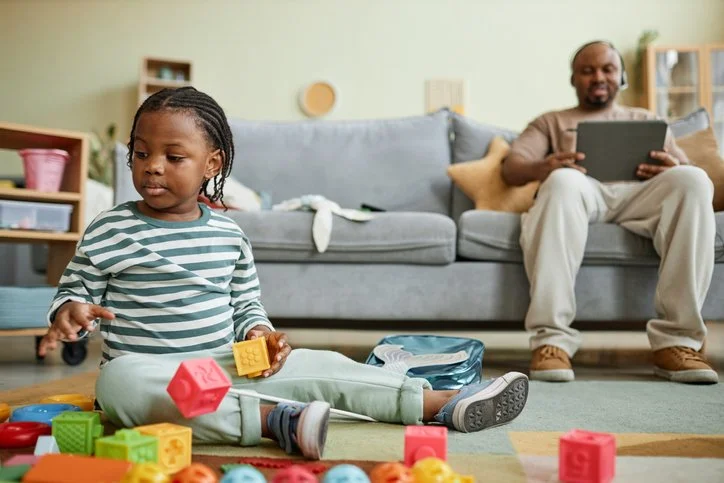
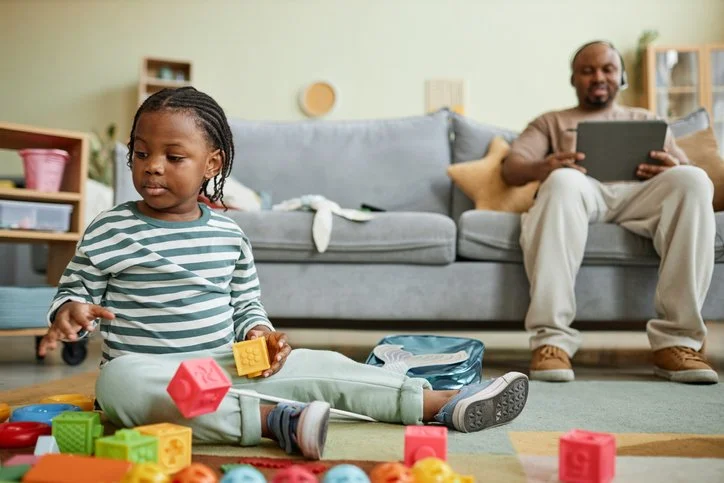
Toddler stacking colorful blocks on the floor while a parent works nearby

Interrupting is a very normal stage in child development. 

Being able to teach your child how to get your attention in a matter that is respectful and age appropriate takes some time. There will be learning from both parents and children during this time. But with practice and patience you can teach your preschooler to “wait their turn” and interrupt less often.

Interrupting defined

Interrupting is stopping the momentum of an activity, such as a preschooler interrupting their parents during a work call. It is common for preschoolers to interrupt their parents or a trusted adult, such as their teacher. Children often approach adults for:

  • information or answers to their questions

  • a need, such as hunger

  • help

  • when they have something to share

  • your attention

Interruption only becomes a problem when parents are busy, or parents can’t help children with their needs at that moment.

Teaching your child to say, “excuse me” and then wait to get the attention of whom they are talking to is a skill that needs to be taught patiently. You can start by giving your preschooler opportunities to practice not interrupting by learning to wait for short periods of time. Some opportunities to practice waiting might be: When your child asks for a snack, getting out the door, when you are attending to a sibling, writing an email, texting a friend, etc.

Tell your child that you are going to make an important phone call. Follow with: “Is there anything you need from me right now?” Then make a plan for what your child will be doing when you are on the phone, such as playing with soft dough, looking at books, or coloring.

Your best defense against interruptions is usually some form of entertainment. Give yourself a few minutes to help your child choose and set up the activity they want to play.

Children interrupt because they feel that what they need or want to say is very important and to the child it is very important. It is difficult for children to know when they can and can’t interrupt. They have not learned those social skills yet. Many children want to speak right away because, if they don’t, they might forget what they were thinking about. Having your child wait to speak until it is their turn is a great tool to use to help your children wait. When it is their turn and they can’t remember what they were saying, then you can remind them that as soon as they remember they can let everyone know.

Sometimes, parents might expect their preschooler to wait for a long time before they can give them back their attention. Parents might be on a call, working, or concentrating on something very important. If children do not get attention when they interrupt politely, they may learn to interrupt loudly and rudely. Remember to set realistic expectations for you and your child.

Preschoolers can:

  • Play quietly for short periods of time.

  • Can learn 2 or 3 rules to follow regarding interrupting.

Don’t expect:

  • Preschoolers to play independently for over 30 minutes.

Talking on the phone for an hour might not be a realistic expectation at this stage in your child’s development. Talking on the phone for 15 minutes is a realistic expectation that your preschooler can handle.

Always be prepared to answer your child right away when they are hurt or feeling unwell.

This article is brought to you by Parenting Now Parenting Educators and authors Amanda Bedortha, Claire Davis, and Kalina Glover-Moresi. Parenting Now offers parenting groups and drop-in programs for families with children 0-8, and is passionate about fostering happy, healthy families. For more information about Parenting Now please visit their website (https://parentingnow.org/) or contact us at info@parentingnow.org.

Triple P – Positive Parenting Program

Are you interested in receiving more parenting advice? Triple P Online – Positive Parenting Program could be for you! This online parenting program allows you to take a parenting class in the comfort of your own home!

If you live in Lane County, you can get Triple P Online for free by filling out the form on the Triple P page. A staff person from Parenting Now will send you an access code within 24 hours and you’ll be able to start using the program right away! For more information about the program and to sign up visit the Triple P page.
Understanding Your Child’s Fears

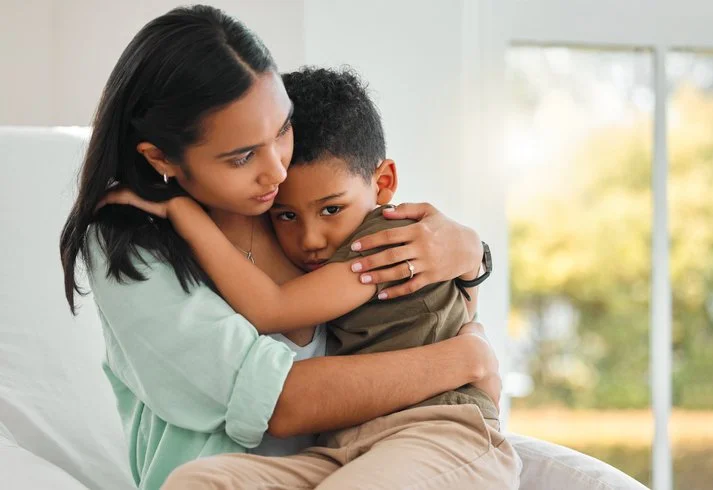
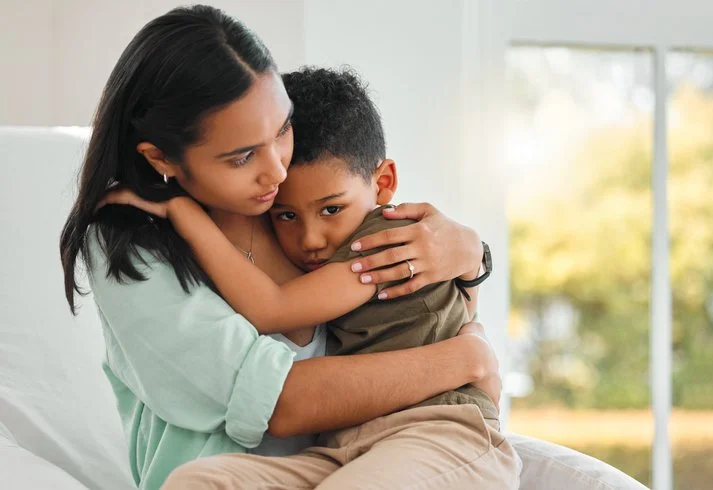
Parent comforting a child with a reassuring hug

Fears are very common in children and are a part of growing up. Children can have fears that are mild to extreme at different ages and as they learn to cope with new and different experiences. Children can learn to overcome their fears with practice by talking through the fear with a trusted adult. Some fears are much stronger and can become paralyzing. If this is the case, it may be time to consider professional help, such as counseling. 

Every child is different in how they experience and deal with fears. People may experience the same event differently and their reactions can be different too. That is why not everyone is scared or worried about the same things. When we experience an event as threatening or harmful, our built in protective response to that event is fear. This leads us to action. Our brain moves us quickly into our fight, flight or freeze response to protect us.

Encourage your child to name and talk about their fear so that they can continue to do the things they enjoy doing. When we talk about what we are afraid of, it doesn’t seem so scary. You can assure your child that they are safe, and you are there to help them through their big emotions. Let them know you believe in them, and are there to support them.

Some children are fearful when they are beginning something new such as school, camp, or an after-school activity. This is a fear of the unknown. You can help your child by validating their feelings, and by giving them information about what they can expect. The more information we have, the less our fears can take over.

Some children have a strong reaction to a scary event or anticipated event, and try to avoid the feeling and not talk about it. They may not be sure why they are fearful, or they may not have the vocabulary to talk about it. Asking questions and checking for understanding will help you understand why your child feels this way. Even if you think they are being irrational or unreasonable, validate their feelings and tell them you understand. That will help their brain move through their fear and then they can access the thinking part of their brain to come up with coping strategies.

Some children show their fear in subtle ways. They may avoid doing something that they used to love, they may cry a lot more, become more sensitive to minor upsets, or scream and run to you or people they trust. They may want to leave the situation and be very insistent about it. If your child is expressing themselves in this way, check in with them to determine what they are feeling. Always be willing to listen to your child’s concerns and validate them. As children get older their fears will change and will become more wrapped up in fearing what others might think of them. They may experience embarrassment at the thought of talking in front of the class, or reading out loud. They may feel embarrassed about their changing body. These fears are a normal part of growing up, and knowing you are there to help them negotiate their fears will go a long way in giving your child the confidence and skills to cope with them. 

Fear is a healthy response to danger,  and can keep your child safe from things such as animals that are unfriendly, or deep water. If the fear becomes too large, then the fear will take over and it will not match the real danger. When the fear becomes overwhelming, and your child has trouble negotiating all the things they need to do in their daily life, that is the time to seek professional support. It can take time for children to overcome their fears. Patience, support, and practice will help your child overcome what they are afraid of. You can help your child by teaching them how to cope with their fears and encourage them to gradually approach the activities they fear. It’s ok to be afraid and to have fears. If those fears become overwhelming, seeking help is powerful and will help you and your child in the long run.

This article is brought to you by Parenting Now Parenting Educators and authors Amanda Bedortha, Claire Davis, and Kalina Glover-Moresi. Parenting Now offers parenting groups and drop-in programs for families with children 0-8, and is passionate about fostering happy, healthy families. For more information about Parenting Now please visit their website (https://parentingnow.org/) or contact us at info@parentingnow.org.

Triple P – Positive Parenting Program

Are you interested in receiving more parenting advice? Triple P Online – Positive Parenting Program could be for you! This online parenting program allows you to take a parenting class in the comfort of your own home!

If you live in Lane County, you can get Triple P Online for free by filling out the form on the Triple P page. A staff person from Parenting Now will send you an access code within 24 hours and you’ll be able to start using the program right away! For more information about the program and to sign up visit the Triple P page.

Encouraging Your Child to Play Sports

Parent and child playing soccer together on a front lawn

Playing a sport gives your school age child an opportunity to develop physically through exercise. It also helps your child make new friends, and learn about teamwork, responsibility, and hard work. Sports are a great way to have your child try something new!

If your child is new to trying sports or has expressed interest in starting one, here are some tips to get started.

Build coordination and muscle development at home

To set your child up for success  in a sport, you can help them build their confidence and skills in their muscle development, coordination, and physical fitness.  Moving their body as they run and play while they are toddlers and preschoolers, will build these skills. There is no pressure to get your children into a sport. Some children might not even know they are interested in sports until you try playing some games with them!

Here are some fun games you can both play together and to work on some coordination skills:

  • Rolling a ball back and forth

  • Playing catch

  • Kicking a ball

  • Hopping

  • Skipping

  • Jumping

  • Balancing

  • Climbing

  • Dancing

  • Bouncing a ball

  • Swimming

  • Playing hopscotch

  • Running

  • Learn to ride a bike

Introduce a variety of sports

Pay attention to sports that your child is interested in. Take them to a baseball game or watch a soccer game on TV. Ask them if there is a sport their friends are participating in that they might want to try too. These are some ways to help your child choose a sport to try.  Some kids’ sports organizations will let families attend training sessions, or take one free class to try it out.

Kids can be quick to change their minds, or switch from one activity to the next. If this is the case, you may decide on a family rule that your child needs to finish their season before switching to a new sport. In the meantime, make sure they still go to practice and arrive on time. This is a way children learn to follow through on their commitments. With continued effort, they may even decide they like it better once they have mastered some of the skills through consistent practice. Keep encouraging them, even when you know they may not continue after the season. They are learning the life lesson of the importance of showing up for others who are counting on them, and keeping their word. 

Team sports are a great way for children to learn to work together and rely on one another. If one person isn’t there to participate, then the team is not as strong. Responsibility is important to teach children at every age of development. And responsibility helps build confidence in your child. Making sure that your child follows through is very important in helping them have confidence. Confidence comes through practice and is a good way to teach and demonstrate for our children.

Playing a sport is a great way for you and your child to do something new together.

This article is brought to you by Parenting Now Parenting Educators and authors Amanda Bedortha, Claire Davis, and Kalina Glover-Moresi. Parenting Now offers parenting groups and drop-in programs for families with children 0-8, and is passionate about fostering happy, healthy families. For more information about Parenting Now please visit their website (https://parentingnow.org/) or contact us at info@parentingnow.org.

Triple P – Positive Parenting Program

Are you interested in receiving more parenting advice? Triple P Online – Positive Parenting Program could be for you! This online parenting program allows you to take a parenting class in the comfort of your own home!

If you live in Lane County, you can get Triple P Online for free by filling out the form on the Triple P page. A staff person from Parenting Now will send you an access code within 24 hours and you’ll be able to start using the program right away! For more information about the program and to sign up visit the Triple P page.

Enjoy Family Meals With Your Toddler

Toddler smiling in a high chair while being fed by a parent

Have you noticed your toddler eyeing your plate at mealtimes or showing signs that they want to feed themselves? If so, they may be ready to eat what the rest of the family eats, as well as use a spoon, and sit at the table with others. 

Every child is different, but typically around 12-months old babies are ready to eat meals with the rest of the family. Anywhere between 12-months and 2-years old your baby can learn to use a spoon—a fork and knife skill will come much later. 

Toddlers learn a great deal about eating and mealtimes through watching others. When possible, place your child at the table with the rest of the family for meals. 

Remember that eating meals together is about much more than eating. A characteristic most strong families have is that they share meals together. Why would this be the case? Mealtime is about connecting, reconnecting, and building strong bonds with each other. When parents strive to make meals fun and enjoyable, children are more likely to develop life long good eating habits. They are more likely to try a new taste in the positive, encouraging tone the parents set for meal time, and parent’s expectations play a big part in this. Knowing that it typically takes around eight tries for a child to enjoy a new food, and that something they like today may become abhorrent to them tomorrow is all part of the process of growing.

Your child is also learning about your family’s culture and traditions through the meals and variety of foods you serve. They are experiencing a sense of belonging when you share your traditional diet or special foods for holidays. From green mashed potatoes on St. Patrick’s day to potato latkes for Hanukkah, your child is becoming a part of your culture.

Preparing for mealtime

It can be helpful for toddlers to have a daily mealtime routine, including three meals and a morning and afternoon snack. Limiting snacking and drinks other than water throughout the day will set up your toddler for successful meals. During routine snacks and meals, you can introduce new foods to your toddler to increase the variety of foods they eat.

There are other ways to make mealtime a success:

  • Have everything ready, including food and plates, before you sit your child in their high chair or booster seat.

  • Serve small portions, offering more as your child asks for it. This helps them tune into their internal feelings of hunger and fullness, and learn to follow their body’s signals.

  • Offer finger foods that can easily be picked up with your toddlers’ hands. This will help them to feel successful because they can feed themselves. These foods include:

    • Avocados, mashed (for dipping other foods in) or in small pieces

    • Ripe Banana or other fruits

    • Cooked soft broccoli

    • Soft, cooked protein like turkey or whatever your family prefers, cut in small bits

    • Bite size pieces of cheese

    • Bread or toast squares

Encouraging independent eating

In addition to offering finger foods, you can also encourage your child to feed themselves by letting them use a toddler-safe spoon.

Once your child is ready to use a spoon, remember to praise them when they successfully get the food to their mouth. They may need to hold the spoon in their fist at first, rather than how you might hold the spoon. This is okay; as their fine motor skills develop, they will learn to hold the spoon “properly.” At first you might have to help your toddler put food on the spoon and move it from the plate to their mouth. It is common for a toddler to use their fingers to put food on the spoon. Expect that it will take some time to learn this skill, and  always remember to praise when your child is successful. This will take several tries before they become an expert on getting food on the spoon to in their mouth. Expect plenty of spills and a lot of messes. If your toddler is getting frustrated using a spoon, make sure they know that using their hands is still a way to feed themselves. Also, continue to feed them, and show them how you feed yourself with a spoon; this helps their brain to make connections and see how a spoon works. Practicing the motion of holding a spoon and bringing it up to their lips will help your baby learn this skill. 

Since your toddler will be trying new foods for the first time, fad foods might become a common thing in your home. A fad food is something that your toddler wants every time they sit down for a meal. If it seems that your toddler only wants to eat one food item for every meal just know that this will not always be the case and things will change. Toddlers can be fussy eaters and they just might like their one meal, but this is common and typically short lived. As long as you set the tone of excitement and fun, and you encourage your toddler to try a variety of healthy foods, the fad food will eventually fade.

It is helpful to remember that our job as parents is to offer and encourage a variety of healthy foods, and it is your toddler’s job to decide what and how much they eat. This will set them up for developing healthy eating habits. 

Mealtime is an enjoyable time to socialize and reconnect. This is a time for families to slow down, enjoy what you are eating, and spend time together with the family. Mealtime for toddlers is very busy and sometimes even chaotic but slowing down and taking your time to eat and spend time together, even if your dining room and kitchen are a mess at the end, will be well worth it. 

This article is brought to you by Parenting Now Parenting Educators and authors Amanda Bedortha, Claire Davis, and Kalina Glover-Moresi. Parenting Now offers parenting groups and drop-in programs for families with children 0-8, and is passionate about fostering happy, healthy families. For more information about Parenting Now please visit their website (https://parentingnow.org/) or contact us at info@parentingnow.org.

Triple P – Positive Parenting Program

Are you interested in receiving more parenting advice? Triple P Online – Positive Parenting Program could be for you! This online parenting program allows you to take a parenting class in the comfort of your own home!

If you live in Lane County, you can get Triple P Online for free by filling out the form on the Triple P page. A staff person from Parenting Now will send you an access code within 24 hours and you’ll be able to start using the program right away! For more information about the program and to sign up visit the Triple P page.

Parenting Is Not One Size Fits All

Parent laughing together with a child outdoors

There is no rulebook when it comes to being the perfect parent. In fact, there is no such thing as a perfect parent. Every family has their own traditions, values, customs, and routines. There isn’t one “right way” to raise your child. You get to decide the values, skills, and behaviors you want to encourage and discourage and what approaches you want to take. 

Being a parent is challenging and important work. There are sleepless nights, toddler upsets, concerns for the future… Just know that if you are trying to be a good parent, you are already on the road to being a great parent to your child. The effort and time you are putting into yourself and your child will be worth it in the long run. 

Sometimes, we idealize the type of parent we want to be to our child, or what life will be like once baby is born. And sometimes, we put expectations on ourselves because of the way we were parented. Perhaps, we want to do things differently  or live up to what we saw growing up. 

While our parenting approach is influenced by how we were raised, it is also influenced by:

  • Beliefs

  • Expectations

  • Media

  • Life experiences

  • Opinions of family and friends

You want to be the best parent you can be and you know parenting is important work.  The unrealistic expectations we see in the media or expectations others put on us sometimes leave us disappointed  in ourselves as parents. Our job as parents is to support our children to grow into healthy, resilient, and fully functioning adults. Everyone, it seems, has an opinion as to how best to achieve that. 

There are great resources for us as parents as we learn and grow in the parenting role. Parenting groups are a great source of evidence-based strategies that have been shown to work. A parenting group is also a place to find other parents who may be struggling with similar challenges, and a place to find a peer group of support. You can learn to work with your child’s temperament and developmental stage to provide the support they need to grow and learn within your unique family, in alignment with your values. 

Sometimes we learn by trial and error while our child continues to surprise us with new challenges. Just when we find a strategy that seems to be working, our child grows and changes and we need a new strategy.We all make mistakes as parents, and it is in how we repair those mistakes that growth and trust is built with our child. When we admit we made a mistake, or that we wished we had reacted differently to our child, we are teaching them how to build trusting relationships. We are teaching them that we are human, and we can learn and do better.

It takes time to become a good parent and to learn and develop the skills to support your child’s physical and emotional needs. When you show up for your child every day, you are showing them that you care  and love them, and you are a family that learns together.

There is no right way to be a parent. Every family is different, and every child has their own needs. The best way to become a good parent is to find an approach that works for you and you feel comfortable with and that will work for your family. 

This article is brought to you by Parenting Now Parenting Educators and authors. Parenting Now offers parenting groups and drop-in programs for families with children 0-8, and is passionate about fostering happy, healthy families. For more information about Parenting Now please visit their website (https://parentingnow.org/) or contact us at info@parentingnow.org.

Triple P – Positive Parenting Program

Are you interested in receiving more parenting advice? Triple P Online – Positive Parenting Program could be for you! This online parenting program allows you to take a parenting class in the comfort of your own home!

If you live in Lane County, you can get Triple P Online for free by filling out the form on the Triple P page. A staff person from Parenting Now will send you an access code within 24 hours and you’ll be able to start using the program right away! For more information about the program and to sign up visit the Triple P page.

Teaching Cleaning Up Skills

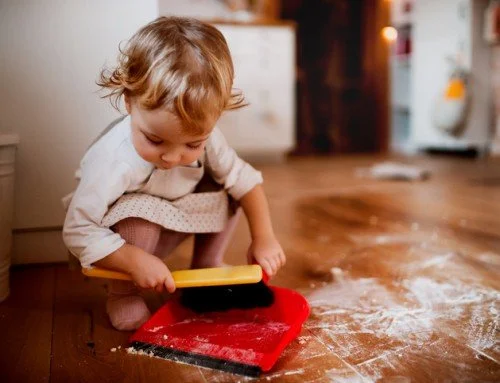
Toddler using a dustpan and brush to sweep the floor

Taking care of your things and learning how to clean up after yourself is a skill that children typically can do themselves around the ages of 3 or 4. Here are some tips for supporting your child as they learn and practice this new skill.

Getting started

Throughout the day, toddlers love getting out all their toys. This turns into a big mess quickly. The next time your child is ready to move on to a new activity, tell them: “We clean up when we’re done with what we’re playing with.” When you have a specific place where toys live, it is easier for your toddler to put them away when they are done with them. In a shared space, like the living room or dining room, your child can learn to respect others in the family by keeping it tidy for the next person who uses it. A place that everyone uses in the house and not just your child’s room (although that can come later) is a great place to concentrate on this skill. This shows your child that the whole family uses this space and you need to keep it clean to be able to use it. That means putting our things away when we’re finished with them.

Teaching responsibility at an early age is a life skill that will help them once they start attending school and beyond. A value many families live by is to always “leave the place we are using better than when we found it.” 

Set a good example

Children learn from watching family members. If they see that you are cleaning up, then they will want to clean up, too. When you work on a hobby, read a book, or even when you eat lunch together, your child will see you putting items back where they belong when you are finished with them. This is a powerful example to set. Toddlers want to be grown up and “do it myself” more than just about anything. You can tap into this natural motivation by helping them learn to pick up after themselves, just like you do.

When teaching your child about cleaning up, start by setting a good example of what cleaning up looks like. This means when you spill something, you get a towel and wipe it up. You can hand a toddler a towel just as well when they knock something over. You will need to assist them, but let them try first. Show your child that messes happen; it is part of life, and when messes happen, we just clean them up. Show your child what you are doing step by step. Reassure your child that messes are a part of having fun but that cleaning up is important. Keep a positive attitude when you are cleaning up. If your child feels your positive attitude, then they will learn it is just part of what we do to clean up after ourselves. 

Set your child up for success

You can set your child up for success, by giving them enough time to put away their toys and setting expectations that are achievable.  

When you need to transition to a new activity, give your child “notice” before it is time to clean up. For example: “Leora, playtime will be 5 more minutes. Then, we need to put your blocks away.” Get them invested or excited about what is coming next. “After we put away the blocks, it will be time for lunch.” Give a three-minute warning that clean up time is coming, then a 1-minute warning. Remember, younger children between the ages of 2-3 will need your help cleaning up but gradually you will not need to help anymore. This goes for your warnings as well. As your child gets older, the fewer warnings you will need to give them to let them know it’s clean up time. 

When it is time to clean up, allow your child to pick what they want to clean up first. Give choices whenever possible. For example, “Do you want to pick up the red blocks for the blue blocks first?” Be their cheerleader when they pick up their toys by giving lots of positive comments. Help them to feel proud of themselves when they pick up their toys like a “big kid.” Once they start to get older, continue to give them positive feedback when they are cleaning up. Eventually, you may only need to thank them after they have finished. 

Cleaning up can be a time consuming process to learn. The key is to be consistent in your expectations for your child and for yourself. You and your child are learning this together.  Continue to show them that it’s OK to make a mess but we try to always clean it up before moving on to the next activity. Cleaning up together is always better!

This article is brought to you by Parenting Now Parenting Educators and authors. Parenting Now offers parenting groups and drop-in programs for families with children 0-8, and is passionate about fostering happy, healthy families. For more information about Parenting Now please visit their website (https://parentingnow.org/) or contact us at info@parentingnow.org.

Triple P – Positive Parenting Program

Are you interested in receiving more parenting advice? Triple P Online – Positive Parenting Program could be for you! This online parenting program allows you to take a parenting class in the comfort of your own home!

If you live in Lane County, you can get Triple P Online for free by filling out the form on the Triple P page. A staff person from Parenting Now will send you an access code within 24 hours and you’ll be able to start using the program right away! For more information about the program and to sign up visit the Triple P page.

Making Shopping Trips More Fun and Manageable

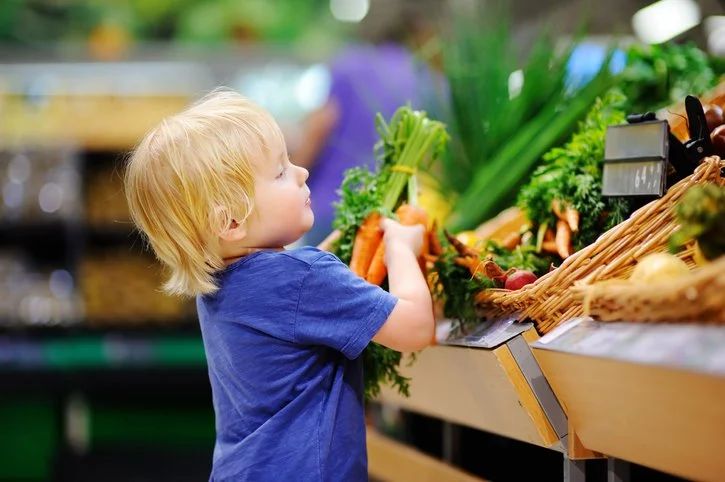
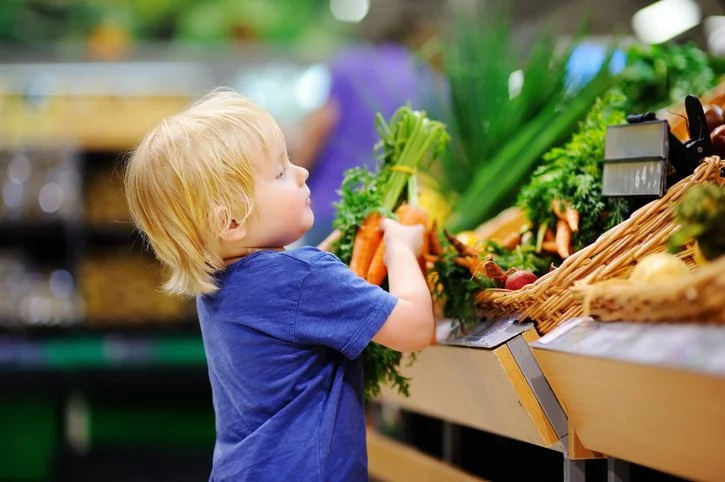
Toddler reaching for fresh produce while grocery shopping

Remember the days of care-free shopping trips, or easily squeezing in a few errands during lunch break? Well, if you’re a parent, those days probably seem long behind you. 

Shopping can be fun with toddlers in tow, but it can also be challenging. There are yummy foods to grab at, things to touch, and toys to play with. And, to a toddler, everything is a toy! With all the sounds, colors, lights and interesting things, upsets and unwanted behaviors are likely to pop up.

Just like learning to walk, ride a bike, or take turns, teaching children how to manage their emotions and bodies in public is a learned skill, and with some patience and preparation you can support your child with this skill.

Challenges

When it comes to shopping with toddlers, common challenges include:

  • Whining

  • Touching things without permission

  • Running down the aisles

  • Not staying with their grownup

  • Upsets over not getting something they wanted

  • Overtired, or cranky

The good news is that there are strategies you can try for these different challenges! 

Before we talk about some strategies that can help, it is important to remember that toddlers have big emotions, and haven’t yet developed the self-regulation skills or language to cope with them. This is a learning opportunity for them, and for you. When your toddler has big feelings, remember it is your job to manage your own emotions first, and then help him to learn these skills. Every upset is an opportunity for him to know that he can count on you to be there for him when things are hard.

Before you get to the store

If possible, schedule your trips to the store around your toddler’s nap or mealtimes. If your child is fed and well rested, they will have an easier time managing their emotions and behavior in the store. We all do better when our basic needs for rest and food are met.

Toddlers also tend to do better with shorter trips, so when possible, plan for shorter, frequent trips to the store rather than one long one.

Before you head to the store, tell your child where you will be going, what you will be buying, and when you will be back. Decide on two or three simple rules for your shopping trip and share them with your child. Here are some ideas:

  • Stay with your grownup at all times. Use your walking feet only.

  • Hands stay by your side, unless asked to pick out an item, or given permission to touch something.

  • Some toddlers do better if they are riding in the shopping cart. You may need to stay in the center of the aisle in order to avoid the temptation for your toddler to reach out for items on the shelf.

  • Use a quiet, indoor voice.

You could also take a moment to explain that while “grocery stores do sell lots of yummy, fun things, we are going to stick to the items on our list.” Then, go over what you need to buy with your child. You could even have your child be “in charge of the list.”

At the store

If you can keep boredom at bay, your child is less likely to engage in disruptive behavior while at the store. By giving your child a “job to do” or turning shopping into a game, you can hold your child’s attention and engage them—and have fun in the process. Here are some activities to try while shopping:

  • “I Spy” games: “I spy with my little eye, something that is red.

  • Holding the grocery list.

  • Helping you find items or making simple choices: “Should we get purple grapes or green grapes?”

  • Getting non-breakable items from the shelves for you.

  • Handing items to your child to put in the cart.

  • Finding different colors, shapes, and sizes: “Let’s look for fruits that have a circle shape.”

  • Bring along some snacks. Some crackers or a favorite snack might keep your toddler busy (and full) while you get your shopping done.

Remember to tell your child when they are doing a great job: “Justin, you are doing a wonderful job staying with me while we shop. You are being a big help keeping our grocery list safe in your hand.”

Your new shopping buddy!

Toddlers love to be helpful, as well as do “grownup” things. Shopping with them has its challenges, but it’s also a teaching opportunity and a chance to bond with your chil

This article is brought to you by Parenting Now Parenting Educators and authors. Parenting Now offers parenting groups and drop-in programs for families with children 0-8, and is passionate about fostering happy, healthy families. For more information about Parenting Now please visit their website (https://parentingnow.org/) or contact us at info@parentingnow.org.

Triple P – Positive Parenting Program

Are you interested in receiving more parenting advice? Triple P Online – Positive Parenting Program could be for you! This online parenting program allows you to take a parenting class in the comfort of your own home!

If you live in Lane County, you can get Triple P Online for free by filling out the form on the Triple P page. A staff person from Parenting Now will send you an access code within 24 hours and you’ll be able to start using the program right away! For more information about the program and to sign up visit the Triple P page.

Guest Blog: Moms Demand Action – For Gun Sense in America

Marchers holding signs reading 'We Can End Gun Violence' at a Moms Demand Action rally

Sarah Micheli is a local mother of two, and the membership lead for Eugene/Springfield Moms Demand Action.

Though the name of this group is ‘Moms’, parents and caregivers of all gender identities are welcome, encouraged to join, and needed in the work to create safe communities for children.

In 2017, a dear friend of mine lost her niece in the Vegas shooting. Not even a year later, my cousin called me to let me know that her daughter was safe at Parkland High School. At that time I realized I could no longer sit idle. I joined my local chapter of Moms Demand Action for Gun Sense in America to learn how to take action to prevent gun violence. And now here we are four years later, and I learned of the Uvalde shooting while I was at my eldest son’s elementary school just minutes before his class was released for the day. I hugged him extra tight and fought back tears (that did not work) and vowed I would do my part. Is there any other option?

We live in a wonderful state. A state that I am proud to call home. That being said, gun violence is on the rise here as it is in the U.S as a whole. According to the most recent CDC data, Oregon has the 35th highest rate of gun deaths in the country with a rate of 13 per 100,00 people. The Ceasefire Oregon Education Foundation projects that this rate will climb through 2022. In the wake of the U.S Supreme Court’s ruling on states’ ability to regulate guns outside the home, advocacy for common-sense regulations is even more urgent. For these reasons, I am so grateful to be a part of Moms Demand Action.

Moms Demand Action was started by Shannon Watts, an Indiana mother of five and former communications executive. The day after the Sandy Hook tragedy she started a facebook group to reduce gun violence. Not solely for moms, but for all caring and concerned individuals (much like Mothers Against Drunk Driving).

Today, Moms Demand Action is a non-partisan grassroots movement with nearly 10 million supporters! We have helped pass stronger gun laws and are working to close the loopholes that keep our families safe. We also work on the local level to educate and encourage responsible gun ownership. The mission of Moms Demand Action is to prevent gun violence and increase public safety. We are committed to keeping our community, and our loved ones, safe!

We can and will support responsible gun ownership while doing much more to keep guns out of the wrong hands and create a culture of gun safety. That’s why we advocate for the following, evidence-based policies to keep our families and communities safe:

  • Keeping Guns Out of the Wrong Hands – A Better Background Check System. Right now in Oregon, if a background check takes longer than three days to complete, a buyer may go ahead and purchase the gun. This is known as the Charleston Loophole, because this is how the shooter who killed nine people at Emanuel AME Church in Charleston, SC purchased his gun. Lawmakers must close this and other deadly loopholes in the background check system.

  • Protecting Kids and Communities – Supporting Red Flag Laws and Responsible Access to Firearms. To keep our families safe from mass shootings and reduce gun suicides, lawmakers must pursue policies like Red Flag laws or Extreme Risk Protection Orders (ERPO), which allow family and law enforcement to intervene if someone poses a threat to themselves or others, before deadly tragedies involving firearms take place. Oregon passed an ERPO law in 2017. Implementation efforts are ongoing, to ensure that those who need it are aware of how to use it. Lawmakers must also limit easy access to firearms and accessories capable of inflicting mass casualties and encourage safe and responsible storage of all guns.

  • Addressing America’s Uniquely Lethal Domestic Abuse Problem – Disarming Domestic Abusers. More than half of women murdered with guns in America are killed by an intimate partner or family member, and women are five times more likely to be killed in a domestic confrontation when a gun is present. Lawmakers must strengthen laws that help keep guns out of the hands of domestic abusers.

  • Combating Daily Gun Violence – Supporting Research, Law Enforcement and Local Solutions. The government needs to support law enforcement, researchers and local communities in their efforts to combat daily gun violence by funding new research into gun violence; community-driven, evidence-based interventions to curb city gun violence; and new tools to help law enforcement collect evidence, trace all crime guns, reduce trafficking and solve gun crimes.

Several of these issues are addressed in the Bipartisan Safer Communities Act, which just passed in Congress and is the first federal piece of gun violence prevention legislation in almost 30 years. This law will save lives! It would not have been possible without the tireless work of volunteers over the last few decades. But it is still not enough. We need to urge Congress to continue addressing gun violence while our country is still in crisis.

However much time you have, wherever your interests and strength lie, we welcome you. Text READY to 644-33 to join a local Moms Demand Action chapter in your area. And click on these links for more options to get involved.

• Thank your Congresspeople for their YES vote on the Bipartisan Safer Communities Act

• Attend the virtual Eugene/Springfield member meeting on July 14

• Donate to support gun violence prevention activities in Oregon and nationwide

• Download the Demand Action app

Warmly,

Sarah B. Micheli

Membership Lead

Eugene/Springfield Moms Demand Action

Toilet Learning Tactics

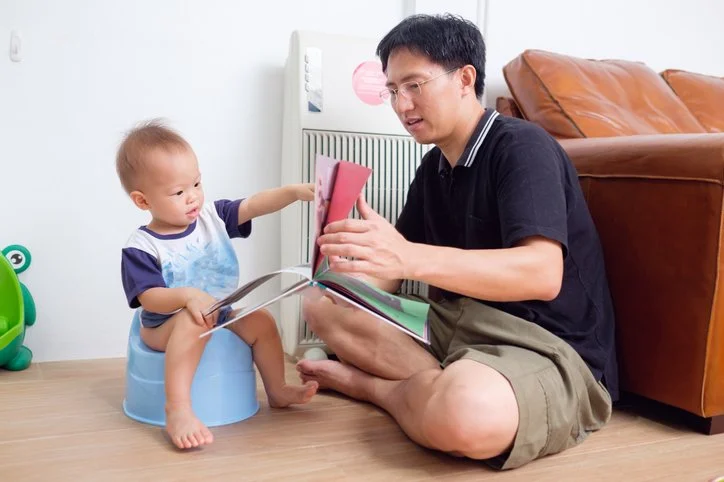
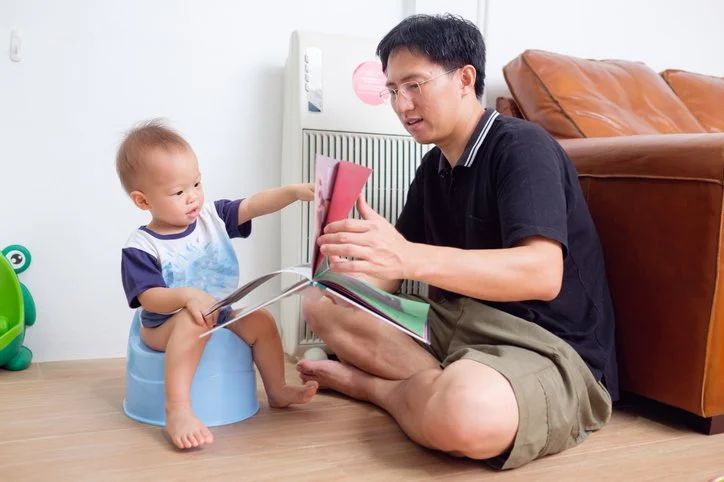
Toddler sitting on a potty-training seat while a parent sits nearby

Summer is here, and if you have a child who is ready to say goodbye to diapers, this might be the perfect time to try toilet learning!

While it’s important to have a relaxed approach to toilet learning and to follow your child’s cues, it’s also important to give yourself a realistic amount of time to devote to it, which is why summer, for some families, is a better time of year to start the process of their child learning to use the toilet.

This is an important milestone for you and your child! To make it fun and interesting, some families use toilet learning books to introduce the topic and encourage cooperation. A classic is Going to the Potty, by Mr. Rogers. Toilet Learning: The Picture Book Technique for Children and Parents, by Allison Mack and Everybody Potties: and I Can Do It Children’s Board Book by Cheri Vogel are a couple of other more recent ones, and there are many more! Some children love getting stickers on their hands or on a chart when they use the potty. However you introduce and work on this process together, encourage them to feel proud of themselves through every step of the process. Toddlers want to be grown up more than anything, and you can capitalize on this by celebrating every step.

For your child, learning to control their bodily functions takes time. And once the process of learning starts, it can take another 3 to 4 weeks (or longer) before your child is able to stay dry. There will be accidents, and that is part of the learning process. All children are different and develop this skill in their own time. Some children pick it up quickly, and some children need lots of opportunities for perfecting the skill.

Getting started with toilet learning

Look for clues

Children can be ready to learn to use the toilet at different ages, so it’s helpful to watch for signs that your unique child is ready. If your child shows an interest in family members using the “big” toilet; can stay dry for 2 or more hours; hates being in a wet diaper, is aware of and can tell you when they make a bowel movement—they might be ready for toilet learning.

Have a seat

Using a child’s size toilet or a toilet seat ring for learning can help your child feel safer on the toilet. Many children have a fear of falling in the toilet, so a child’s seat may help them feel more balanced and secure when they are sitting on it. If you use a toilet seat ring, you will likely need to have a stool or step under your child’s feet for climbing onto the seat and for support and stability. Many children enjoy picking out a toilet seat of their very own. Once you bring a toilet seat home, talk about what it is used for and let your child check it out and practice sitting on it.

Suns out, buns out

The wonderful thing about warmer weather and toilet learning is that your child can go diaper-free and pants-less at your home. An important part of toilet learning is your child noticing and recognizing when they are urinating or passing a bowel movement. To start the process of toilet learning, you could spend a few mornings or afternoons in your yard or home (in an area where you are OK with there being accidents) and let your child go diaperless. Help them notice when they go pee. If they don’t notice on their own, point it out. Then you can help them learn that peeing in the toilet is the goal. Diapers do a pretty good job of disguising this feeling for children, so it can be powerful for kiddos when they make the connection and that they can start to recognize the feeling before they go. 

Toilet time

When you are ready to start incorporating the toilet, pick a day to get started when you can be home for at least half the day. Dress your child in clothing that is easy to pull off and on, and encourage extra water throughout the day.

You may need to ask your child frequently if they need to try using the toilet, this could include after waking up, after meals, before going out, before bedtime. You know your child best, and it is likely you’ve noticed their signs that they need to go. These could include the squirming or the dancing around “potty dance.” When you think your child may need to go, let them sit on the toilet for 3 to 5 minutes. If it’s hard for them to sit still that long, have some books nearby that you can look at together. Turning on the tap water in the sink can sometimes help them to start. Remember, toilet learning is about holding and then learning to let go or relax those muscles when you choose. It can take time to learn to control both aspects of the process.

Some children are distressed when they see their pee or poop flushed away in the toilet; it is a part of them. You can help them understand that what is flushed away are the leftovers from what they eat and drink that their body doesn’t need any more.

Don’t force your child to sit on the toilet if they are anxious or upset. You want your child to have a positive experience using it, so you will need to have a relaxed and positive attitude when it comes to supporting your child to learn this skill.

Throw a parade when they are successful! Remember to celebrate every step of the process: learning to recognize when they need to go, running to the toilet, getting their clothes down, making it before they pee, peeing in the toilet, flushing, watching it get flushed away, pulling up their clothes, and washing their hands. Those are a lot of steps!

And if accidents happen—and they will—stay calm and help your child clean up: “Oops, you’re wet. Let’s get you some clean clothes.” Engage them in helping clean up in a matter-of-fact way. A few minutes after changing, remind your child about sitting on the toilet when they need to go to the bathroom.

Toilet learning is a process, filled with emotional highs and lows. Eventually, you and your child’s patience and effort will be rewarded with a newly mastered skill and a lot less messy diapers!

This article is brought to you by Parenting Now Parenting Educators and authors. Parenting Now offers parenting groups and drop-in programs for families with children 0-8, and is passionate about fostering happy, healthy families. For more information about Parenting Now please visit their website (https://parentingnow.org/) or contact us at info@parentingnow.org.

Triple P – Positive Parenting Program

Are you interested in receiving more parenting advice? Triple P Online – Positive Parenting Program could be for you! This online parenting program allows you to take a parenting class in the comfort of your own home!

If you live in Lane County, you can get Triple P Online for free by filling out the form on the Triple P page. A staff person from Parenting Now will send you an access code within 24 hours and you’ll be able to start using the program right away! For more information about the program and to sign up visit the Triple P page.

Team Parenting

Two parents laughing together while playing with their baby

As your child grows, it is likely that you and your partner will want to work as a team to most effectively guide your child to adulthood.  You have the common goal of raising your child to be healthy, happy, and successful, and in order to support your child growing to their potential, working together is the best way to get there.

Working as a team doesn’t mean you will never disagree. At some point, all parents differ or argue about parenting issues. It’s not, however, whether you disagree, but how you handle the disagreements. When you can listen calmly to each other in order to see one another’s perspective, you can more easily come to a compromise or united front. 

Even if you and the person you parent with have different parenting styles, you can still parent together effectively. In fact, evidence suggests that children benefit from having parents who compliment each other with different focuses and skills. Maybe one parent is creative and artistic, while the other parent is the rough-and-tumble playing parent. Both styles encourage your children to become well rounded and willing to try new things. 

Communication is key

Parenting together requires effective communication.

  • Before you sit down to talk through your issue, it is key to be calm and open to listening. Take some deep breaths together and reaffirm your common goal of supporting your child as they grow toward their independence.

  • Talk about what values are important to each of you. What values do you share?

  • When you have different values and strengths, you can support each other to grow that area of strength in your child. For example, if your partner values being active in the outdoors, and you would much rather be inside with a good book, you can still support both of those values together by each taking the lead in that area with your child.

  • Know and respect each other’s specific family and cultural history. What methods, values, or traditions do you want to keep? What would you like to do differently? How will you support each other in keeping your values alive?

  • Put aside time to come together to talk about general agreements about “daily” issues or routines – bedtime, meals, screen time, as well as major issues or persistent challenges.

  • We all make mistakes. Be kind to your partner and to yourself when you inevitably make some mistakes with each other.

  • In any relationship, with your partner and with your children, you will inevitably do or say something that you later regret; you create a rupture. Relationships become stronger when you can repair that rupture. Apologize and then resolve to handle it differently the next time.

Stretch your thinking

Parenting requires being flexible, both in your expectations of parenthood as well as how you parent. Consider what is important to you and your idea of parenting. For example:

  • Is learning to always say “please” and “thank you” important to your values?

  • Is restricting screen time something you feel is an absolute?

  • Is making a mess part of being creative?

Which things would you prefer to happen, but are willing to negotiate about? Can you be accommodating about your child’s bedtime if certain bedtime routines are important to your partner?

Appreciate each other’s viewpoints and needs. Be flexible and see where you both can compromise. When there doesn’t seem to be a compromise, is there a way for both of you to get your needs met around the issue? 

Working Through the Hard Moments

It can be easy to ignore your relationship when parenting seems to take all your focus, but addressing relationship challenges is essential in the long term. Working through your challenges will help you be able to work better as a team. Your role as a parent changes your couple relationship, and most parents agree that spending time nurturing yourselves as a couple is an essential component of successful parenting. Remember, you need to fill your cup emotionally both as individuals and as a couple in order to give your children what they need. 

It can be hard to come to parenting agreements if you and your partner have rigid parenting roles – such as one person who is always the “fun” parent and the other the “strict” parent. Try for flexibility. At the very least, a few rules or guidelines that you can both get behind and follow through with is essential so your child will know that a “no”, or “not yet” from one parent will be the same for the other parent. 

If your find yourself at a stalemate on an important issue, or if you seem to be always in conflict about parenting issues, you and your partner might may consider outside help:

  • Consider seeing a counselor who specializes in supporting parents.

  • Join a parenting group where you can talk with other parents and get support and information from professional Parenting Educators on issues of discipline and more, as well as positive ways to communicate with your parenting partner.

At the end of the day

It’s important, especially for younger children, to see that their parents are united and working as a team. Stability and consistency make children feel safe and confident. 

Your child will benefit if they see you as a team working together and you will create a more harmonious home.

This article is brought to you by Parenting Now Parenting Educators and authors. Parenting Now offers parenting groups and drop-in programs for families with children 0-8, and is passionate about fostering happy, healthy families. For more information about Parenting Now please visit their website (https://parentingnow.org/) or contact us at info@parentingnow.org.

Triple P – Positive Parenting Program

Are you interested in receiving more parenting advice? Triple P Online – Positive Parenting Program could be for you! This online parenting program allows you to take a parenting class in the comfort of your own home!

If you live in Lane County, you can get Triple P Online for free by filling out the form on the Triple P page. A staff person from Parenting Now will send you an access code within 24 hours and you’ll be able to start using the program right away! For more information about the program and to sign up visit the Triple P page.