Helping Your Child with Homework

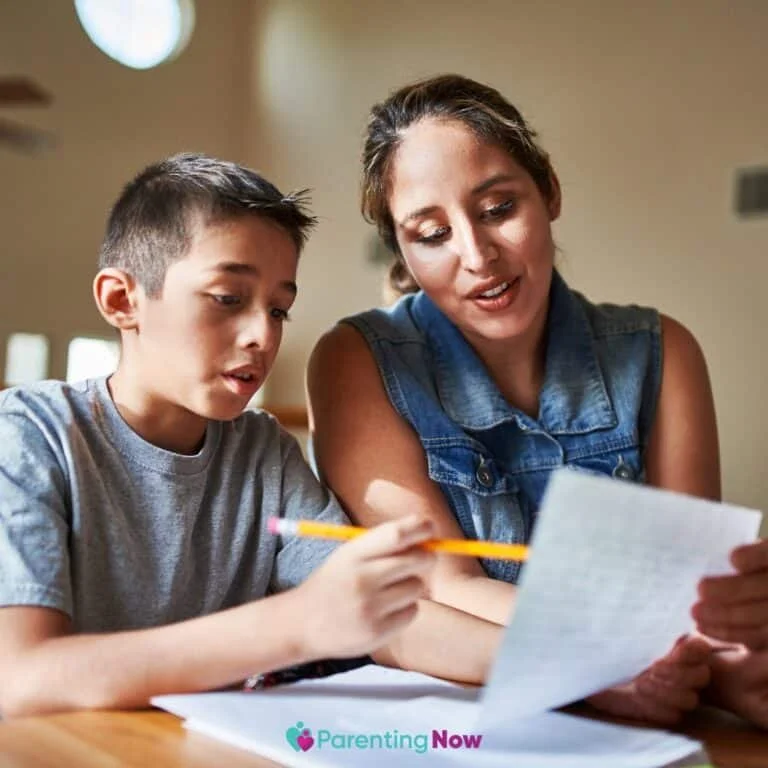
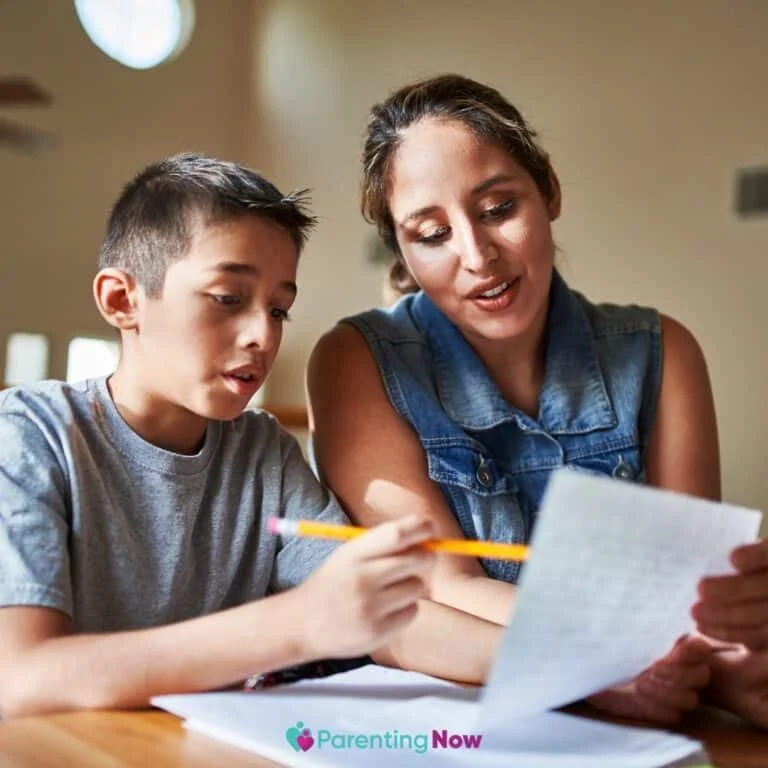
Mother helping her son with homework at the table

Helping Your Child with Homework

Homework is an important part of a child’s education, but it can sometimes be a source of stress and frustration for both children and parents. However, with the right approach, homework time can be a positive and productive experience. Here are some tips to help you support your child with their homework:

Preparing Your Child for Homework
Allow your child to relax and have a snack after school to recharge. Ask your child about their homework and what tasks need to be completed. Set a regular homework time that fits your family’s schedule and priorities.

Creating a Homework Environment
Set up a designated study area that is well-lit and free from distractions. Encourage your child to do their homework in a place where they feel comfortable and focused.

Encouraging Your Child
Help your child get started on their homework but avoid doing it for them. Praise your child for their efforts and progress, rather than focusing on mistakes. Encourage your child to solve problems on their own before offering help.

Dealing with Homework Challenges
If your child continues to struggle with homework, consider using a points system to motivate them. Set clear expectations and consequences for completing or not completing homework tasks. Keep track of your child’s progress and reward them for meeting their goals.

Seeking Additional Support
If your child consistently has difficulty with homework, talk to their teacher to see if extra support is needed. Focus on your child’s successes and strengths to help build their confidence and motivation.

By following these tips and providing positive encouragement and support, you can help your child develop good study habits and succeed in their homework assignments. Remember, every child is different, so it may take some time to find what works best for your child.

By The Triple P Team at Parenting Now.

Triple P – Positive Parenting Program
Are you interested in receiving more parenting advice? Triple P Online – Positive Parenting Program could be for you! This online parenting program allows you to take a parenting class in the comfort of your own home!

If you live in Lane County, you can get Triple P Online for free by filling out the form on the Triple P page. A staff person from Parenting Now will send you an access code within 24 hours and you’ll be able to start using the program right away! For more information about the program and to sign up visit the Triple P.

Supporting Young Boys so They Grow and Thrive

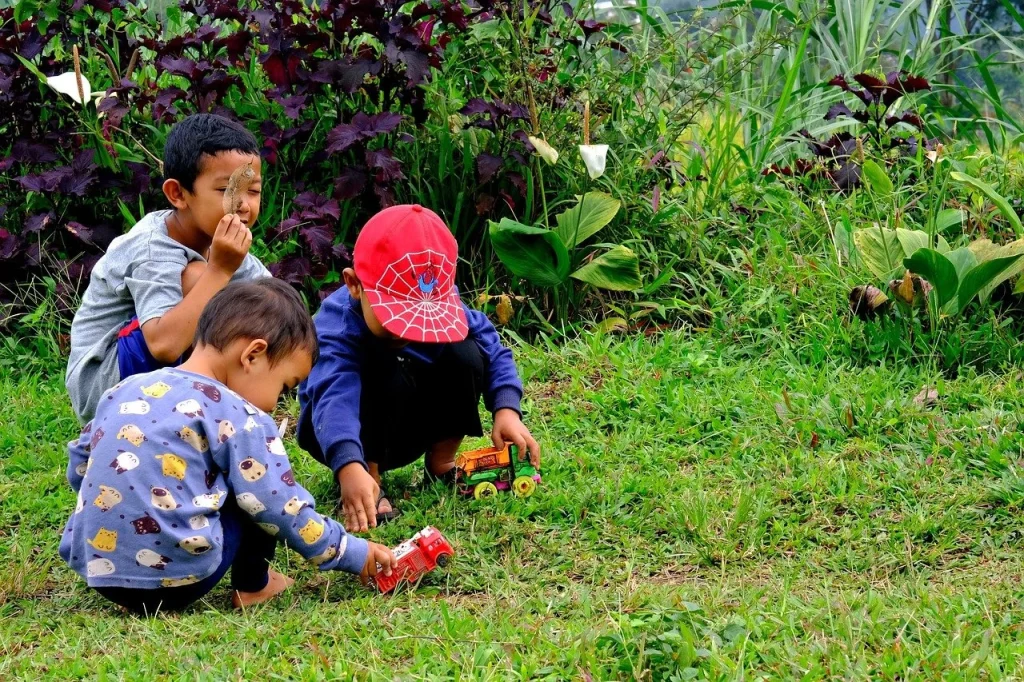
Three young children crouching outdoors, looking at something in a garden

Supporting Young Boys so they Grow and Thrive

We want all children to thrive in early childhood, but boys have biological and cultural differences that need special consideration. Let’s examine the unique needs of young boys, specific challenges that may arise if their needs go unmet, and positive strategies to support exploration, activities, and reduce struggles.

It is important to recognize that there is a wide range of individual differences and variation within each gender. Cultural norms and social expectations can also influence how young children behave and develop. But if we spend enough time around groups of children who are of the same age, we may observe some trends that show how the girls communicate verbally and manage their feelings sooner than the boys.

Boys may have feelings when upset that are externalized (such as impulsivity or anger) while the girls may internalize their feelings (like sadness or anxiety). You may find that the boys are busier and more physically active, take greater risks, build and destroy structures using the materials at hand, seek messy exploration, and can have a harder time sitting still. (An article by Zero to Three offers additional information on some of the interesting differences in brain development for boys and girls.)

Young boys do better when they are enjoying themselves and actively learning through play. Boys who are involved in highly engaging activities are more focused, persistent, emotionally regulated, prosocial, and able to communicate better with their friends than boys left without adequate stimulation or support. When adults follow the boys’ priorities and interests, they will witness fewer behavioral challenges and more meaningful participation in their daily activities and routines. (Stewart Brown is a pioneering researcher who tells us in his TED talk that play is more fun and necessary for physical and emotional health.)

If caregivers are committed to meeting the needs of young boys, there are many strategies that may benefit them. Here are seven effective approaches below.

1. Supporting boys’ need for active play experiences should include heavy work, open-ended materials, reasonable risk-taking, unstructured play, movement and frequent time outdoors.

2. Boys also need support for learning effective problem solving, coping with failure, safe ways for calming down when upset, maintaining good boundaries, peaceful conflict resolution, and “loving limits” for behavior.

3. Quiet and calming activities can be nurturing for young boys. Find children’s books on topics they love, play soft music, allow forts and hideaway areas, and provide varied materials for using their hands.  When a young child is stressed, we can support them through deep breathing, grounding practices that feel soothing, and designated areas to calm their body, mind, and emotions.

4. Young children need more frequent rest and refueling opportunities, which should include a well-balanced diet, clean drinking water, adequate sleep, and good hygiene for teeth and bodies, and regular medical care and developmental check ups.

5. Boys’ social and emotional needs can be supported by encouraging empathy and taking the perspective of others. Adults can cultivate a reverence for life by having boys care for plants, insects, or animals. We can offer hugs and encouragement whenever needed.

6. Young boys also benefit from close adult males who can show them through words and actions what to do, modeling expected behaviors.

7. Perhaps most of all, young boys need relationships with caregivers who provide adequate time for them, loving attention, lots of affection, and positive guidance that focuses on their strengths, needs, and interests.

Overall, young boys need trustworthy adults using developmentally appropriate expectations and positive discipline to guide them. Boys also need supportive environments that encourage them to grow in healthy ways that align with their need for autonomy and initiative. When they have these supports they can truly thrive!


Aoife Rose Magee, PhD, earned a doctoral degree in Special Education from the University of Oregon Early Intervention Program. Her personal and professional interests have been largely focused on the social-emotional development of young children and how positive parenting and teaching practices may contribute to healthy development, promote resiliency, and mediate risk factors. Aoife is professional development specialist for students and practitioners in the areas of Early Childhood Education, Early Intervention/Early Childhood Special Education and Parenting Education.  Aoife serves as a Master Trainer for the Oregon Registry and frequently provides community based and private workshops for early childhood educators, parenting educators, and other professionals. For more than thirty years, she worked directly with families as a parenting educator, and she is a former Oregon Parenting Education Collaborative Hub Coordinator for the Parenting Success Network. She currently teaches as a full-time faculty in the Early Childhood Education Program at Lane Community College. She is also the mother of a fantastic young adult son and enjoys nature and creative pursuits in her spare time.

Tech & Family

Father and two young children looking at a laptop screen together

We live in a digital world. Kids see their grown-ups on devices of all kinds for work, entertainment, navigation…just about everything. Many parenting struggles revolve around screen time – choosing when young children use a tablet, how to get them to stop using the device once they’re on, when to allow our children access to the internet, and when they get phones and social media accounts.

As parenting educators, we may hear about these disagreements. We listen to grown-ups asking for advice on how to enforce rules and what the rules should be. Parents often desperately seek guidance on what they should do with phones, and it may be helpful to have some tools to reference as we respond. 

Build Relationships  

Adults constantly prepare our children for adulthood and model what that can look like. One of the reasons setting screen time limits is challenging is because it is so nuanced. It depends upon the family’s schedule, the child’s maturity, and the kind of technology they use. Joining online communities has excellent opportunities for children to feel connected, especially if they are part of a minoritized group.

We want our children to know what healthy conversations feel like so they can recognize when something feels unhealthy. We want families to spend quality time together, creating memories, partially so the children will be motivated to live a rich life offline. We want children to reach out and process challenges or question misinformation with adults. We have to prioritize close connections with each other so our children know this is valuable.  

Screen Time Guidelines  

The American Academy of Pediatrics recommends “​​considering the quality of interactions with digital media.” They do not make specific age and time guidelines because video chatting with long-distance family for 30 minutes is a very different experience from browsing YouTube videos. Families may find it helpful to search Common Sense Media’s “Best of” lists for suggestions for games, movies, apps, etc., for various age groups.

As always, we want to work with families in a way that avoids judgment. Encouraging families to be intentional about their media use by creating a family media plan (In Spanish) may help them feel more comfortable with their expectations for each other.

Modeling healthy screen time usage will be an essential first step for families wanting to adapt their children’s usage of devices. We want to help adults prioritize enough time for sleep, physical activity, and time interacting with others in real life.  

Adolescents  

A wide range of ages are included in this phase, which necessitates different strategies and responses. Seventeen-year-olds need more opportunities to make their own decisions than thirteen-year-olds. We know this age group values their privacy and independence, and we want to stay in a positive relationship with them as they develop their skills.

Encouraging families to find the balance that works for them is crucial. Each teen is different. News headlines may concern families about the possible damaging effects of social media and countries banning access for kids.

Encourage grown-ups to sit with their child in an open, curious manner and see what comes up on their social media. Algorithms promote very different content based on our demographics and viewing habits. Keep an eye out for harmful messages, including racism, fatphobia, sexism, etc. According to the American Psychological Association, these are common in gaming and social media platforms and require conversations to process.

We don’t want these messages normalized. Adults can remind teens to talk with them if they are concerned about the health or safety of someone in person or online. Adolescence is a significant time of mentorship for our teens.  

Social Media & AI 

Children of all ages are increasingly more and more engaged with social media such as YouTube, TikTok, Snapchat, and more. According to the U.S. Surgeon General’s office, “up to 95% of youth ages 13–17 report using a social media platform, with more than a third saying they use social media ‘almost constantly.’” Additionally, AI tools have quickly been integrated into these spaces. These quick developments make it more important than ever to support children in being responsible and conscientious tech users.  

There isn’t an easy answer to this yet. Some tips from the U.S. Surgeon General’s office in mitigating some of the harmful impacts of social media include: 

  • Be cautious about what you share. 

  • Don’t keep online harassment or abuse a secret.  

  • Visit stopbullying.gov for helpful tips on how to report cyberbullying. If you have experienced online harassment and abuse by a dating partner, contact an expert at Love is Respect for support or if your private images have been taken and shared online without your permission, visit Take it Down to help get them removed. 

  • Model responsible social media behavior. 

  • Educate yourself on new technologies such as a new social media site or AI tool, especially on their privacy policies and how they protect minors’ safety and rights. 

Supporting families through these challenges with an even-keeled stability will help them stay grounded. We can empathize when we listen to their struggles and notice their frustration. Reminding families there is research to help them work through decisions.

Emphasize that the main goals are for their family to stay in a relationship with each other and for the adults to mentor their children through new experiences. They can make a plan, change course as needed, and have fun together. 

Resources: 

Common Sense Media 

Connect Safely (Guías rápidas en español

Growing Up in Public by Devorah Heitner 

Screentime Consultant 

Screentime Solution by Emily Cherkin 

Tweens, Teens, and Screens (OPEC blog post) 

SafetyNet: Smart Cyber Choices trainings from KIDS Center (free, in English and Spanish) 

By Megan McQueen. Spanish translation by IRCO’s International Language Bank.

Megan McQueen is a warmhearted teacher, coach, consultant, and writer. She grounds her work in empathetic education, imparting a strong sense of community and social skills to those with which she works. Megan prioritizes emotional learning and problem solving skills. When not at work, she is most likely playing with her husband, two children, and pup.

Learn more about the Oregon Parenting Education Collaborative and read our blog!

Raising Grandchildren

Grandfather walking along the beach with his young grandchild
 Photo by  Vidar Nordli-Mathisen  on  Unsplash  
Photo by  Vidar Nordli-Mathisen  on  Unsplash  

I got to know a grandmother as she took over care for her grandchild. She struggled to shift into her new role as caretaker while setting new boundaries and establishing routines. She had pictured herself being the fun-loving grandparent who got to say “Yes!” to her grandchild’s whims, but realized this role needed to shift as she played the role of parent, too.

This new life as her grandchild’s caregiver was not the one she had imagined for herself. She worried about her daughter who battled with addiction. At the same time, the grandmother relished this “bonus time” with her joyful grandchild. She thoroughly enjoyed the closeness they experienced together.  

A change in family dynamics can be stressful and traumatic. It may also bring relief to families during a time of stress and need.

Grandparents who step in to care for their grandchildren may have to manage adjustments in their finances, living arrangements, and energy levels. They may also need to care for and support their own adult child (if still living), or manage their grief if not. On top of all these changes are the children’s mental health needs.

As a grandparent continuing or stepping into a new role with your grandchildren, it may be helpful to acknowledge and accept all of your feelings – the ups and the downs – without shame so that you can also seek out and create moments of joy with your grandchildren.

You have an opportunity to connect with a child in a new way who will remind you of the importance of living in the present. You have raised children, and you can do it again.  

These suggestions may help your new routine become more easeful with your grandchildren. 

Get necessary paperwork and legal needs in order.

Look into your insurance to see about adding your grandchild or apply for state assistance (such as the Oregon Health Plan). Check medical records to ensure that immunizations, well-child checks, and preventative visits are up-to-date. Remember to include dental and vision appointments for the children, too.

You can apply for financial assistance through the DHS Self-Sufficiency Offices. Create a file for your grandchild with contact information for their medical team as well as Court Appointed Special Advocates (CASA) and others who are involved in your grandchild’s care. 

Create a support team.

Think about who you can lean on when you need a break. Who do you have a trusting relationship with that can watch your grandchildren? Who can help with extracurricular events and school commutes? Who can provide emotional support for you and for your grandchildren?

In addition to these trusted friends, think about who can provide medical and emotional support that you and your family may need. Make a list of these people so you can easily lean in when you need additional support. 

Communicate with your grandchild’s teachers.

You may feel reluctant to share your family situation, but teachers are familiar with all different kinds of families. Communicating your grandchild’s background will help her teachers gain insight into how they can better meet her needs at school. By beginning with an honest conversation, you demonstrate that you have your grandchild’s best interests at heart.

Attend as many family events as possible including conferences, family nights, even PTA meetings if you can. Getting involved will allow you and the community around you to support your grandchild’s time in school.

If your grandchildren are young enough, seek out Head Start for assistance. Head Start offers wraparound services for the entire family. 

Be active together!

Use your grandchildren’s energy to help keep you healthy as well. Keep moving by gardening together, taking walks in the neighborhood, biking to a nearby park, and walking or biking to school if possible.

Ask your pediatrician about recommended activity goals and nutrition suggestions. It is amazing how quickly the medical and health field updates their guidance.

Realize you may need more learning about this, but you will all benefit – especially if you spend the time active and cooking together. Food Hero is a great resource with easy recipes that children can be involved in, kid-tested & approved recipes, and recipes with 5 items or fewer! 

Learn about Trauma-Based Care.

Often children arrive in your home because of trauma. Family members may have different reactions to the same stress. Understanding how children develop and how trauma can impact growing bodies and brains will help you respond in a caring, supportive manner.

The National Child Traumatic Stress Network can provide helpful insight about how we react to stress and how we can care for ourselves and others who have experienced trauma. When you care for yourself, not only will you be a more compassionate caregiver, but you are also modeling important self-care strategies for the children in your life. 

Reach out and connect with other families.

Find a parenting group or class in your area to help your family create community. All kinds of parents are welcome – step-parents, foster parents, and grandparents.

Your experience will be valuable to share with others. You may learn new evidence-based strategies to support your grandchild’s wellbeing and feel supported. You may find a safe place to ask questions and learn about local resources for families. 

Families come in many different forms and are simply groups of people who love and care for each other. We all have an origin story and they are often different from one another’s. Be proud of your family!

Many children are being raised by grandparents or other relatives for a variety of reasons. There are agencies and resources that are in place to support you. Your situation may not be what you envisioned for yourself, but you can all learn from it and grow together. You will benefit from having close relationships with each other. 

Resources

Generations United

Grandfamilies: A national legal resource

Resource Guide for Relatives Raising Children in Oregon: This guide has many practical tips for specific situations as well as links and contact information for more support (such as if the children has parent who are incarcerated, or if the children are navigating disabilities) 

Webinar: Help for Grandfamilies Impacted by Substance Abuse

Books for Adults

The Grandfamily Guidebook by Adamac and Adesman

Grandparents as Parents by Sylvie de Toledo and Deborah Edler Brown

Raising Our Children’s Children by Deborah Doucette

Books for Children

The Family Book by Todd Parr

Families, Families, Families by Suzanne Lang and Max Lang

Our Grandfamily by by Sandra Werle

Sometimes It’s Grandmas and Grandpas: Not Mommies and Daddies by Gayle Byrne

Visiting Day by Jacqueline Woodson

When Kids Have Grandparents as Parents by Lauren Gould

My Grandpa, My Tree, and Me by Roxanne Troup

Sweet Dreams/Dulces Sueños by Pat Mora 

By Megan McQueen. Spanish translation by IRCO’s International Language Bank.

Megan McQueen is a warmhearted teacher, coach, consultant, and writer. She grounds her work in empathetic education, imparting a strong sense of community and social skills to those with which she works. Megan prioritizes emotional learning and problem solving skills. When not at work, she is most likely playing with her husband, two children, and pup.

Learn more about the Oregon Parenting Education Collaborative and read our blog

Oh Baby! I’m here for you! The Importance of Forming Secure Attachments

Father lying in bed while cuddling closely with his baby

Oh Baby! I’m here for you! The Importance of Forming Secure Attachments

By Aoife Magee

Secure Attachment

Infants and toddlers learn to trust that the world is safe and that they are valued through sensitive and responsive caregiving. As the parent or caregiver watches for the child’s cues to determine what they need, and responds to them promptly, consistently, and respectfully, this brings positive results for children. Everyday interactions that feel meaningful and responsive promote the development of a secure attachment with their caregiver.

Attuning to each baby requires slowing down, watching, and interacting in a loving and nurturing way.  A responsive approach may include an adult reflecting on what a child is communicating through their actions, facial expressions, and body language, and developing an awareness of how their own caregiving behaviors are meeting their developmental need for trust, comfort, wellbeing, and security. Infants and toddlers who have developed healthy attachments show happiness and affection with familiar adults, seek and accept comfort, make their needs known, express a variety of emotions, and show interest in the environment. Secure attachment in early childhood can lead to healthy relationships and a sense of wellbeing throughout life.

Insecure Attachment

Infants and toddlers experience the world through their relationships. These relationships affect nearly all aspects of their development including social, emotional, physical, intellectual, behavioral, and moral. The relationships infants and toddlers have with their caregivers play a critical role in regulating stress and organizing their internal experiences.

When interactions between the caregiver and the child do not feel consistently meaningful or responsive, or emotional and physical needs go unmet, an insecure attachment may form. This may contribute to feelings of anxiety, ambivalence, dysregulation, or fear in the child, which is a common result of unresponsive or inconsistent caregiving. If the primary caregiver-child bond does not offer protection, predictability, and safety, the child will have a more reactive stress response. Stress in a young child can impact their development in serious ways.

Signs of Distress or Mistrust

Children who lack consistent responsive caregiving may show signs of stress or display challenges in their mental processes, language development, physical health, and social-emotional development. If the child has difficulty trusting their needs will be met, they may not seek connection with adults when upset. Instead, they may shutdown or show excessive crying, or have difficulty being comforted and calming down. The child may have challenges with playing and paying attention to stories, exhibit learning delays, or withdraw. The child may also have feeding issues, sleep disturbances, physical complaints, problems with coordination and balance, and – in the extreme – show a failure to thrive. Over time, children in distress may develop more serious mental and physical health problems that are more difficult to resolve if they lack a supportive adult.

Resilience and Attachment Type Changes

Caring adults who provide a level of support, comfort, stimulation, interaction, and nurturing can play a key role in cultivating resilience and improving outcomes for infants and toddlers. Resilience is the ability to overcome adversity. Early childhood resilience research tells us that the strongest protective factor for children is having at least one relationship with a caring, responsive, loving adult. Responsive relationships are a protective factor for children and provide a sense of emotional safety and healing.

Interpersonal attachments don’t end in childhood. ‘Earned’ secure attachment is when someone develops a secure attachment later in life, despite having an insecure attachment style early on. The process of earning a secure attachment typically happens in the context of a safe and trusted relationship, which is built over time through meaningful connection.

As the American author Tom Robbins wrote, “It’s never too late to have a happy childhood.”

Resources from Harvard Center for the Developing Child

To learn more about child development, stress, resilience, and attachment parenting, please check out the links below.

The Three Core Concepts in Early Development

InBrief: Resilience Series

Why Attachment Parenting Matters

Aoife Rose Magee, PhD, earned a doctoral degree in Special Education from the University of Oregon Early Intervention Program. Her personal and professional interests have been largely focused on the social-emotional development of young children and how positive parenting and teaching practices may contribute to healthy development, promote resiliency, and mediate risk factors. Aoife is a professional development specialist for students and practitioners in the areas of Early Childhood Education, Early Intervention/Early Childhood Special Education and Parenting Education.  Aoife serves as a Master Trainer for the Oregon Registry and frequently provides community based and private workshops for early childhood educators, parenting educators, and other professionals. For more than thirty years, she worked directly with families as a parenting educator, and she is a former Oregon Parenting Education Collaborative Hub Coordinator for the Parenting Success Network. She currently teaches as a full-time faculty in the Early Childhood Education Program at Lane Community College. She is also the mother of a fantastic young adult son and enjoys nature and creative pursuits in her spare time.

Connection Seekers Wanted

Older child kneeling to hug a younger child outdoors on the grass

What are some challenging behaviors you have observed in young children? How do they make you feel? When parents and caregivers are asked these questions, they are quick to identify experiences caring for their child that seem demanding or difficult and note the feelings of stress, confusion, or overwhelm that tend to arise. How would you answer these questions?

The writer Henry David Thoreau said, “The question is not what you look at, but how you look and whether you see.”

What does that quote mean for our topic on challenging behaviors? Are we really seeing what’s going on with our child, or are we only feeling our frustration? When our own stress gets in the way, it clouds our perception, and we may react instead of respond. As we see the child more clearly, we can better acknowledge what they need and sensitively work toward meeting it. What is it that young children need most? Connection. Children need consistent, sensitive, and responsive caregiving, especially when they are upset. Each child needs an individualized approach. To better understand a child’s behavior, we can explore considerations based on their ages and stages of development and temperamental traits.

Ages & stages of development Young children progress through their ages & stages of development from infancy, toddlerhood, early childhood, school-age, and then continue onto adolescence. Be sure to care for the whole child as they are moving through developmental milestones related to the physical, social, emotional, language, intellectual, and self-help domains. Screening for healthy development is recommended.

Each of the ages and stages come with different priorities, needs, and interests. Babies are working on their ability to trust that their needs will get met. They benefit from lots of cuddling, care and comfort by consistent caregivers, and stimulation in a protected environment. Toddlers are mastering autonomy and independence. They thrive on limited choices, safe environments to explore, and warm interactions with secure adults. Preschoolers are taking greater initiative and learning how things work. They are empowered when adults provide a caring presence that supports developing self-confidence and good self-esteem in engaging activities and investigation.

Temperament Temperament is part of our personality and is present at birth. Temperament determines how a child reacts to experiences or to stimuli (sights and sounds), how they will regulate that reaction, and how others may react toward them. Recognizing a child’s individualized approach to the world can help caregivers anticipate and meet their daily needs. Temperamental traits include activity, regularity, initial reaction, adaptability, intensity, mood, distractibility, persistence-attention span, and sensory threshold. If we bundle some of these traits together, we may see different categories of temperament emerge. Children with Flexible temperament tend to be friendly and outgoing, adjusts easily to new people and routines, and accepts frustrations with little fuss. These children may benefit from encouragement to assert themselves, establish boundaries, and get needs met if they are too flexible. Those with Feisty temperament can react to frustration with tantrums, in constant movement, and have inconsistent routines, such as bedtime and eating. To support feisty children, provide them with consistency, predictability, support, and positive guidance. Be sure to stay calm and connected. The children who present with the Fearful or slow-to-warm temperament prefer to observe from the sidelines rather than actively participate, will withdraw from or quietly refuse new situations and people, and prefer consistent routines. Offer patience, time to adjust to changes, and reassurance when fearful.

Guiding from our values

How caregivers decide to guide and respond to their unique young child has a lot to do with their values and the long-term goals they want for that child. Imagine your child growing into an adult and consider the hopes you carry for their ultimate success and well-being.

  • What do you picture in your mind?

  • What skills, experiences, and knowledge do you envision them having as they reach adulthood?

  • Given their age and stage of development and temperament, how can you support your child in everyday moments as they learn and grow towards this cherished vision over time?

  • How can you be good models for what you want them to become?

  • How do you continue to build connection even when it’s hard?

One effective parenting practice that fosters connection during upset moments with the child is emotion coaching. The five steps of emotion coaching are:

1. Be aware of emotions (tune into your child’s feelings and your own)

2. Connect with your child

3. Listen actively

4. Name emotions (label what they are feeling)

5. Find good solutions (help them problem-solve).

Although guiding a young child through their big feelings may not be easy, the benefits of cultivating trust and connection are well worth the effort!

Aoife Rose Magee, PhD, earned a doctoral degree in Special Education from the University of Oregon Early Intervention Program. Her personal and professional interests have been largely focused on the social-emotional development of young children and how positive parenting and teaching practices may contribute to healthy development, promote resiliency, and mediate risk factors. Aoife is a professional development specialist for students and practitioners in the areas of Early Childhood Education, Early Intervention/Early Childhood Special Education and Parenting Education.  Aoife serves as a Master Trainer for the Oregon Registry and frequently provides community based and private workshops for early childhood educators, parenting educators, and other professionals. For more than thirty years, she worked directly with families as a parenting educator, and she is a former Oregon Parenting Education Collaborative Hub Coordinator for the Parenting Success Network. She currently teaches as a full-time faculty in the Early Childhood Education Program at Lane Community College. She is also the mother of a fantastic young adult son and enjoys nature and creative pursuits in her spare time.

Building Healthy Self-Esteem in Elementary School Children

Smiling elementary school boy wearing a backpack in a classroom
 Courtesy of Triple P - Positive Parenting Program
Courtesy of Triple P – Positive Parenting Program

As children grow, so does their sense of self-worth and confidence. This view of themselves, known as self-esteem, plays a crucial role in their overall well-being and success. As parents, it’s essential to nurture and encourage healthy self-esteem in your children. Here are some tips to help you promote your child’s self-esteem:

Why is Self-Esteem Important?
Children with healthy self-esteem are more likely to be happy, cooperative, successful at school, and make friends easily. They enjoy challenges, are eager to learn and cope with stress effectively. On the other hand, children with low self-esteem may feel inadequate, be reluctant to try new things and have few goals. They are also more likely to develop behavior problems and experience anxiety or depression.

How to Encourage Healthy Self-Esteem:

1. Praise Efforts and Achievements: Focus on your child’s efforts and achievements, praising them for their hard work and perseverance. Avoid criticizing their weaknesses and instead, highlight their strengths.
2. Show Your Care: Express your love and care for your child regularly. Spend quality time with them and be available when they need you. This helps them feel valued and appreciated.
3. Encourage a Healthy Lifestyle: Promote good hygiene, grooming, and regular exercise, which can contribute to your child feeling good about themselves.
4. Teach Good Friend-Making Skills: Encourage your child to make friends and be a good friend in return. This helps them develop positive social skills and boosts their self-esteem.
5. Set Achievable Goals: Help your child set realistic goals and support them in achieving them. Avoid setting expectations that are too high, as this can lead to feelings of failure.
6. Encourage Independence: Allow your child to do things for themselves and take reasonable risks. This helps them develop a sense of control and confidence in their abilities.
7. Promote Positive Self-Talk: Teach your child to think positively about themselves and their abilities. Encourage them to focus on their strengths and achievements rather than their shortcomings.
8. Help Them Manage Negative Feelings: Teach your child how to cope with disappointment and setbacks. Encourage them to try again after a failure and support them in learning from their mistakes.
9. Involve Them in Problem-Solving: Include your child in family problem-solving discussions and encourage them to come up with solutions. This helps them develop critical thinking skills and boosts their confidence in their abilities.
10. Be a Positive Role Model: Show your child how to handle challenges and setbacks with grace and resilience. Your example will teach them valuable lessons about perseverance and self-confidence.

By following these tips, you can help your child develop healthy self-esteem and navigate the ups and downs of life with confidence and resilience. Remember, building self-esteem is an ongoing process that requires patience, understanding, and consistent support from parents and caregivers.

Triple P – Positive Parenting Program
Are you interested in receiving more parenting advice? Triple P Online – Positive Parenting Program could be for you! This online parenting program allows you to take a parenting class in the comfort of your own home!

If you live in Lane County, you can get Triple P Online for free by filling out the form on the Triple P page. A staff person from Parenting Now will send you an access code within 24 hours and you’ll be able to start using the program right away! For more information about the program and to sign up visit the Triple P page.

The Power of Play

Child in a rain jacket jumping in a puddle along a path

Español

While babysitting recently, the 15-month-old was a little wary at my arrival. Once I started reciting “This Little Piggy” on her toes, she broke into a giant smile, and we were good friends. Play helps build social skills, emotional well-being, physical development, and literacy. When I’m around small children, I love the opportunity to be silly and giggle together, but I don’t cultivate as easily it in my own life.  Not only do we need to help our children find more opportunities for unstructured play, we can benefit from creating these experiences for ourselves as adults.  Playing will help us navigate stresses in our world. When we play, we can inspire joy and playfulness in the children and families around us.

Play builds physical and literacy skills

Playing children will create storylines, build language, and act out stories, which all impact their literacy skills positively. Most importantly, we are building relationships when we play together. The National Literacy Trust reports “Play supports a variety of skills, physical, gross and fine motor, which will also support writing. Active play promotes muscle development, develops imagination and communication skills, and helps coordination and overall health.” When children play together, they learn subtle physical and social boundaries and problem-solving skills, fostering a sense of connection and engagement.

Protect playtime

Much great imaginative play sprouts out of boredom. If tablets and phones are handy, we are more likely to reach for those instead of creating some of our fun. To ensure children have time for unstructured, freely chosen play daily, pediatricians recommend that families limit screen time. “The younger the child, the less time they should be using digital devices,” writes NI Direct UK.

The Play for Parents Guide by Playboard Northern Ireland writes, “Don’t be tempted to use screens to distract children or to keep them quiet – talk to your children, play games, or look at a book instead.” We can play fingerplays or rhymes while waiting in line or at a restaurant, sing songs, or ask 20 questions. Often, kids (and grown-ups alike) might get a little cranky near the end of the day if they don’t have fun playtime breaks throughout.

Outdoor Play

Nature and outdoor play have a host of health benefits for all of us. Being outside naturally calms our bodies’ stress responses, reassuring us of our well-being. Children will learn the wonder and magic of nature, which will help them to grow into adults who value the environment. The concept of kindergarten, started by German Friedrich Froebel centuries ago, had a basis in nature and gardening – hence the name kindergarten – a garden for children. Seasonal play keeps engagement higher with changing environments. Summer play might involve sprinkler runs and winter snowball fights.

Prioritizing playful moments can benefit all of our lives. We can feel more present and connected with the children in our lives and ensure that our to-do lists are not controlling our lives. We can create a life by dancing in the kitchen, laughing when the puppy tries to catch the bubbles we’re blowing, and sledding down the hills together.

Resources

Free Range Kids by Lenore Skenazy

No Child Left Inside

Play by Stuart Brown, M.D. and Christopher Vaughan

Play Matters – full of many ideas for play

Power of Play by David Elkind

Power of Play and Optimism – October 2024 OPEC training with Steve Gross (for OPEC affiliates)

By Megan McQueen. Spanish translation by IRCO’s International Language Bank.

Megan McQueen is a warmhearted teacher, coach, consultant, and writer. She grounds her work in empathetic education, imparting a strong sense of community and social skills to those with which she works. Megan prioritizes emotional learning and problem solving skills. When not at work, she is most likely playing with her husband, two children, and pup.

Learn more about the Oregon Parenting Education Collaborative and read our blog!

Help a Grieving Child

Parent and child walking hand in hand down a quiet country road

Special thanks to school counselor, Amber Paterson, for sharing resources.

Grief is part of the human experience. It feels cruel, especially so when we witness our children grieving. Supporting children through their grief may be extra challenging if we are struggling ourselves. There is no correct way to navigate all of the feelings your family is experiencing. Be gentle with yourself and use any advice that feels right for you. I am sending you love.

Seek Support

As you move through complicated feelings yourself and with your child, consider how you can lean on your village. People in your life want to support you but may not know the best way to offer it. Find a therapist or counselor for yourself and your children. You can ask your medical providers and schools for first steps. A friend can organize meals in your community. Your friends or relatives can take your kids for some fun and space for yourself. Accept offers of help that feel supportive. You are not a burden. Your people want to help you through this time, just as you would like to help them when needed.

Talk with Our Children

Much of how we support our family will depend on the age of our children,  the nature of the relationship, and the circumstances surrounding the death. Social worker and therapist Jenny Rivera Cruz encourages us to use correct words, not euphemisms when talking with our children. We can say that Grandma died, but if we say she “is with God” or “passed on,” children may be confused by this and misunderstand the finality. Talking with our children about their feelings and special memories will help them process their feelings and let them know they can open up to you. Jennifer Louie, PhD suggests that we keep pictures of loved ones up so we can all feel connected. This models “that it’s okay to talk about your loved one who died.”

Rituals and Routines

Many religions and cultures have special rituals at times of death and grieving. The community caring for the family and memorials can boost these transitional times. Depending on your family’s belief system and the age of your children, they can participate in these time-honored rituals. They may have questions and be curious about this if it is new. Engage in discussions if you are able. If you anticipate being overcome or busy, enlist a trusted adult who can care for your child during this time. It may feel jarring that life keeps moving, but Jamie Howard, PhD, says that “kids will do much better when their routines remain in place.” You may consider communicating with your child’s school to enlist the school counselor and their teacher’s help supporting your child at school. Coaches and other adults may benefit from knowing what your child is navigating so they can best support them as well.

Stages of Grief

A wide range of feelings might be experienced by someone grieving. We might expect sadness, denial, and anger. Many people also feel guilty, relieved, and regretful. People might feel all of these feelings, which might feel confusing. Dr. Elisabeth Kubler-Ross wrote about five stages of grief in On Death and Dying. The stages of denial, anger, bargaining (what if, if only), depression, and acceptance may be helpful to expect. If we are supporting someone bereaved, recognizing these stages can help us find tools to support them and remind us to expect their feelings. These reactions are appropriate responses. Older children might also benefit from learning about these stages so they know their feelings are typical. Jennifer Fischer writes, “While these stages should not be thought of as resolute — not everyone experiences these stages in the same way or in the same order, if at all — understanding them can help you make sense of the emotions you may be feeling.”

“Eventually we find ourselves experiencing increased moments of joy and we make new connections while maintaining our love and connection with the person that passed away.” – Jennifer Louie, PhD

Web Resources

Dougy Center – Grief Support

Dougy Center – Resources by age

Books

For Children:

A Kids Book About Death by Taryn Schuelke

A Kids Book About Grief by Brennan C. Wood

The Invisible String by Patrice Karst

The Rabbit Listened by Cori Doerrfeld

The Tenth Good Thing About Barney by Judith Viorst

A Terrible Thing Happened by Margaret M. Holmes

When Someone Very Special Dies by Marge Heegaard

For Adults:

The Aftergrief by Hope Edelman

Grief Day by Day by Alan D. Wolfelt

I Wasn’t Ready to Say Goodbye by Brook Noel

On Grief and Grieving by David Kessler, Elisabeth Kubler-Ross, and Maria Shriver

By Megan McQueen. Spanish translation by IRCO’s International Language Bank.

Megan McQueen is a warmhearted teacher, coach, consultant, and writer. She grounds her work in empathetic education, imparting a strong sense of community and social skills to those with which she works. Megan prioritizes emotional learning and problem solving skills. When not at work, she is most likely playing with her husband, two children, and pup.

Learn more about the Oregon Parenting Education Collaborative and read our blog!

Making Mealtimes Manageable: Tips for Parents of Preschoolers

Multigenerational family sharing a meal together at the dining table

Mealtime can be a hectic and stressful time for many families, especially when young children are involved. From picky eating to tantrums, there are a variety of challenges that can arise during meals. However, with some planning and patience, you can help make mealtimes more manageable and enjoyable for the whole family. Here are some tips to help you navigate mealtime problems with your preschooler:

Establish a Mealtime Routine
Setting up a daily mealtime routine can help create structure and predictability for your child. Aim to serve three main meals and a morning and afternoon snack at regular times each day. This can help prevent unnecessary snacking and ensure that your child is hungry and ready to eat during meal times.

Prepare Your Child Ahead of Time
Let your child know when the meal is almost ready so they can finish up what they are doing. Giving them a heads-up can help transition them from playtime to mealtime more smoothly.

Explain the Rules
Discuss and establish simple rules for mealtimes with your child. For example, “Sit at the table until you are excused”, or “Finish your mouthful of food before you speak.” Reinforce these rules calmly and consistently.

Use Rewards and Consequences
Consider using rewards for good behavior during meals, such as a special activity after the meal. Conversely, have consequences in place for misbehavior, like a short period of quiet time or time-out.

Seat Your Child at the Table
When the meal is ready, seat your child at the table and remove any distractions, such as toys or electronic devices. Encourage desirable behavior, like using utensils and chewing with their mouth closed, by praising them when they do so.

Use Planned Ignoring for Minor Problems
For minor issues like whining or playing with food, use planned ignoring. Continue your meal and do not engage with your child until the behavior stops.

Act Immediately for Misbehavior
For more serious misbehavior like getting up from the table or throwing food, address it immediately and calmly. Use quiet time or time-out as a consequence, and return your child to the table once they have calmed down.

End the Meal Positively
Once the meal is over, review your child’s behavior and praise them for following the rules. If there were any issues, discuss them calmly and set a goal for improvement next time. By implementing these tips, you can help make mealtimes more manageable and enjoyable for your preschooler. Remember, consistency and patience are key, and over time, your child will learn to develop good eating habits and behavior during meals.

—-
By the Triple T Team

Triple P – Positive Parenting Program
Are you interested in receiving more parenting advice? Triple P Online – Positive Parenting Program could be for you! This online parenting program allows you to take a parenting class in the comfort of your own home! If you live in Lane County, you can get Triple P Online for free by filling out the form on the Triple P page. A staff person from Parenting Now will send you an access code within 24 hours and you’ll be able to start using the program right away! For more information about the program and to sign up visit the Triple P page.