


Talking with Kids about US Elections

Child sitting on an adult's shoulders amid a large city crowd

America’s incredibly long election season means we have many opportunities for our children to hear about politics. Listening to speeches, debates, the news, or grown-ups talking may raise questions for children about how our democracy works, who is running for office, and how to make sense of it all. When my kids were younger, they often asked me, “Is that person good or bad?” when discussing candidates. I explained that no one is “good” or “bad,” that I agree with some points, but not all a candidate makes, and that their decision-making is complicated. Other times, there were clear messages that I wanted to address with my kids to ensure they had context and an explanation. I wanted our family values to guide them in thinking about this topic.

During this US presidential election, I am also listening for any messages about ageism, racism, and sexism to address with my children. It’s crucial for them to recognize these (sometimes coded) statements so they don’t internalize them. I want them to evaluate candidates based on their merit, past decisions, and goals for the future. Our communication about these topics and people will shape the foundational beliefs of our children. We can provide hope and action steps while encouraging them to think critically about the world they want to live in.

It’s important to take a break from the news.

Yes, it’s a sign of privilege when we can take breaks from life’s challenges, but we all deserve these breaks. The 24/7 news cycle can create a distorted view of the world. Limit when and how long you check the news to avoid feeling overwhelmed by the headlines. When we do come across upsetting stories, take time to process your feelings before reacting. Kids will want to know what we’re upset about, and it may only be appropriate to have those conversations once we can center ourselves a bit.

Talk About Politics

Politics affect everyone. If I find myself feeling that I want to ignore politics or disengage, I remind myself that this is an act of privilege. Many people know that political decisions will have daily impacts on their lives. The more we all realize this, the stronger our involvement can be.

Listening and wondering with our children will be powerful places to start. If our child brings up something they heard, you might begin by asking, “What do you think about that?” Kayla Craig interviewed Hoyt Phillips, Deputy Director of Learning for Justice for PBS Kids, about discussing politics with kids. He suggests asking children questions when seeing political media, such as “Who created this message – and what do they want me to think or do?, How are they trying to persuade me? Are they using facts, fear, stereotypes? How can I learn more so that I have an informed opinion?”

Differentiate Between People and Decisions

Thinking back on conversations with my parents and teachers about politics, I realize that I often did not know how the grown-ups voted. We had civil (most of the time) discussions about the issues. Navigating challenging, emotional conversations repeatedly in family life teaches our children how to communicate compassionately as adults.

Our schools also foster listening and speaking respectfully. We will need to handle dangerous speech or actions. We can condemn someone’s actions without speaking hatefully about the person. Building empathetic muscles and reactions may be our most important action. These conversations help us frame our family values. Allison Briscoe-Smith writes for Greater Good Magazine that we should “directly tell them how you feel about it, as their parent: We are not a family that believes that we should use violence to get our point across.”

Sometimes, we will read or hear speeches that need to be more informed. “To be active, empowered citizens, kids need to be able to sort fact from fiction, especially when that fiction is coming from our own elected leaders.” (NPR) We can model fact-checking to ensure we genuinely think about what is being shared instead of mindlessly following. We might say, “Hmm. I’m not sure that’s correct. Let’s check some reputable sources to learn more about this.”

Make the World a Better Place

Taking action can help our families realize that we have power in our communities. (Read our earlier post, Finding Your Purpose, for more details and suggestions) We will see others pitch in and remember that the world mainly comprises people who want to help each other. Civic action is political. We can all write letters to our candidates, urging them to act with empathy and in support of those causes important to us. Our children’s work with others will humanize complicated problems they hear about on the news.

Resources

PICTURE BOOKS

Equality’s Call by Deborah Diesen, illustrated by Magdalena Mora

Kamala Harris by Nikki Grimes, illustrated by Laura Freeman

Lillian’s Right to Vote by Jonah Winter, illustrated by Shane W. Evans

V is for Voting by Kate Farrell, illustrated by Caitlin Kuhwald

Sofía Valdez, presidenta tal vez por Andrea Beaty

Yo voto por mí: La campana electoral de los animals por Martin Baltscheit


BOOKS FOR YOUNG ADULTS

A Firehose of Falsehood by Teri Kanefield, illustrated by Pat Dorian

Drawing the Vote: An Illustrated Guide to Voting in America by Tommy Jenkins, illustrated by Kati Lacker

Radical by Sofia Warren

Represent by Michael Eric Dyson and Marc Favreau

Run by Andrew Aydin and John Lewis, illustrated by Nate Powell and L. Fury

Running by Natalia Syvester

True or false: a CIA analyst’s guide to spotting fake news by Cindy L. Otis

Whose Right Is It? By Hana Bajramovic

BOOKS FOR ADULTS

How to Raise a Citizen by Lindsey Cormack

By Megan McQueen. Spanish translation by IRCO’s International Language Bank.

Megan McQueen is a warmhearted teacher, coach, consultant, and writer. She grounds her work in empathetic education, imparting a strong sense of community and social skills to those with which she works. Megan prioritizes emotional learning and problem solving skills. When not at work, she is most likely playing with her husband, two children, and pup.

Learn more about the Oregon Parenting Education Collaborative and read our blog!

Positive Discipline & Parent-Child Interactions

Mother sitting on a couch surrounded by four young children
  Authors:  Emma Swertfeger & Guadalupe Díaz Lara   Translation by:  Nancy Perez Sanchez   Learn more about the    Oregon Parenting Education Collaborative    and read    our blog   !
Authors: Emma Swertfeger & Guadalupe Díaz Lara Translation by: Nancy Perez Sanchez Learn more about the  Oregon Parenting Education Collaborative  and read  our blog !

Being a parent is one of the hardest things some of us will do in our lifetime! Especially when it comes to how we are disciplining our children when each of them has their own personality!

To help clarify what discipline is, it is when as parents we take what we learned growing up and teach our children how to behave appropriately. Remember, not listening, or doing something they are not supposed to do, is all part of our children growing up. We have to teach them how to behave and manage their emotions when they don’t want to listen or don’t want to do what we asked them to do.

In this article, we provide guidance that parents can use to discipline their preschool children. We hope that this can help in moments when you are not sure what to do, like when your child is not listening, or when they are doing something you don’t want them to do. We have all been there and at the end of the day, we are all just doing our best.

First let’s set a foundation for us as parents!

First – provide warmth, love, and emotional support. 

Yes, you are allowed to show emotions! In fact, it is important that your child sees all sides of you, so that they feel safe to express their own emotions around you. As parents, there will always be times that we feel fed up, like there is nothing more we want to do than scream. This is completely okay! However, if you find that there are moments in which you cannot control your emotions around your child, it is important to take a moment and walk away and take care of yourself.

You can go on a walk, talk to someone you trust, read books, watch your favorite TV show, or spend some time looking at social media. Doing things that you enjoy will make it much easier to help your child through high emotions while also addressing their misbehavior.

Second – Stay calm and be patient.

This is much easier said than done! As parents, we want the best for our children, and we want them to grow to be respectful and caring adults. So how do we stay calm during tense moments, and why is it important to be calm? 

Staying calm when our child is making us angry or embarrassing us can feel impossible. Do we just conceal our feelings and pretend everything is okay? The simple answer is no. 

To control our emotions while we enforce discipline, we should first acknowledge what we are feeling when our child misbehaves. We should ask ourselves: Am I angry at my child? Am I disappointed? Am I embarrassed?

If we find ourselves to be upset, we might want to walk away from our child for a moment, take a few deep breaths and silently count to ten, or just breathe until we are calm again. Eventually, we will be able to explain why we are upset in a calm voice, and exercise patience as they explain their side of the story. This will not only make your child feel heard, but it will also teach them how to control their own emotions when they get upset. 

Third – don’t forget to explain why they are being disciplined and think before speaking. 

In the heat of the moment, we might tell our child, “Listen to me, because I said so!” It is okay to say this, it happens. When our child is calmed, we just want to explain our reasoning, so that our children understand why their behavior is inappropriate. If the child does not seem to understand, it might be helpful to explain the consequences of their actions through a story. Think of the story or a saying that you might have learned as a child. Stories and sayings are a great way to teach children about appropriate behaviors.

Now that we have a foundation for our behaviors as parents, let’s explore different ways to discipline and find what works for you! 

With an influx of information from the media, it can be overwhelming to find the “correct” way to discipline. The truth is, there is no right way to discipline! We will discuss a few strategies that tend to work on preschoolers, but every child is different, so it is okay if some of these strategies do not work; you can always try a different one!

Do not spank or use any other form of physical punishment, as this might lead to emotional problems as the child gets older. Children with parents who are calm during discipline are more likely to be social and have good relationships. If you have used spanking or physical punishment in the past, it’s okay. It is never too late to change the way we discipline our children!

So, what can we do instead? Here are just a few ideas on what to do in situations where you may not know how to respond to your child’s misbehavior:

Give them consequences. A child might not want to pick up their toys. It would be easier to just clean up the mess for our preschoolers, which is okay to do every once in a while. However, asking them to clean up their messes will help them understand that their actions have consequences. If they refuse, we can take away their toys and remind them that if they want to play, they also need to clean up after themselves. If they change their mind and do clean up, we might tell them, “Great job cleaning up!” After hearing this, the child will likely feel good about cleaning their mess, and might even clean their messes in the future. 

Ignore the behavior as long as they are safe! For example, a child is crying and screaming at the store because I don’t want to buy them a toy. Yes, yes, I know it is embarrassing to have your child screaming, and everyone looks at you like they have never experienced it themselves. It’s okay, let everyone stare and ignore the behavior until your child calms down.

Tell your children what you want them to do instead of telling them what not to do. For example, instead of saying don’t jump on the bed, you can say something like “The bed is for sleeping, you can go jump on the living room floor or outside.” Or, if they are running and we don’t want them to run, we can say something like “Let’s use our walking feet.”   

Now that you have some ideas of how to discipline your children, remember to follow through with the consequence and do not fall for guilt-tripping! 

Following through with consequences will help our children know that we are serious. If we tell our children that their iPad or toy will be taken away if they do not brush their teeth, it is important that we keep our word. If we do not follow through, this behavior might continue because they may assume that we are not serious, or that we won’t do it anyways. Staying true to the consequences will help them understand that we mean what we say, and that they will not get away with this behavior in the future.

It takes time and practice to find ways to discipline our children in a way that works for them and helps them learn, so be patient with yourself and your children!

Authors: Emma Swertfeger & Guadalupe Díaz Lara

Translation by: Nancy Perez Sanchez

Learn more about the Oregon Parenting Education Collaborative and read our blog!

Navigating Elementary School Behavior: A Guide for Parents from Parenting Now

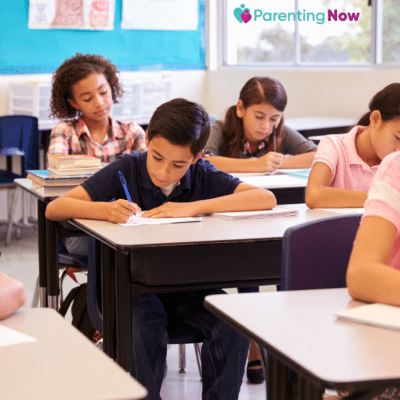
Elementary school students writing at their desks in a classroom

Navigating Elementary School Behavior: A Guide for Parents
Behavioral issues at school can be a concern for both parents and teachers. However, with the right approach, these issues can be effectively managed to ensure your child’s success. Here are some tips to help you work with your child’s teacher and address behavior problems at school:
Understanding Common School Behavior Problems
Common behavior problems at school include not following instructions, distracting other children, calling out, and not finishing assigned work. These behaviors can interfere with your child’s learning and development if not addressed promptly.
Why Children Misbehave at School
Children may misbehave at school due to various reasons, including not understanding the rules, seeking attention, or feeling bored or overwhelmed. It’s important to address the root cause of the behavior to effectively manage it.
Managing School Behavior Problems
1. Discuss the problem with your child: Ask your child about any issues they may be experiencing at school and involve them in finding solutions.
2. Discuss the problem with the teacher: Schedule a meeting with your child’s teacher to understand the behavior from their perspective and collaborate on a plan of action.
3. Act on useful suggestions: Implement the teacher’s suggestions, along with your child’s ideas, to develop a plan to address the behavior.
4. Plan a home-school program: If the behavior persists, work with the teacher to create a home-school program to manage your child’s behavior. This may include a behavior diary and clear expectations for behavior.
5. Praise and reward: Acknowledge your child’s efforts to improve their behavior and provide positive reinforcement for following the rules.
6. Apply consequences: If your child does not meet the behavior goals, apply consequences consistently to help them understand the importance of following the rules.
7. Review progress: Check in with the teacher regularly to assess your child’s progress and adjust the plan as needed.

Key Steps
 Discuss the problem with your child and the teacher.
 Try out useful suggestions and implement a plan of action.
 If problems persist, plan a home-school program with the teacher.
 Explain the program to your child, including the goals, rewards, and consequences.
 Praise and reward your child for following the rules and meeting behavior goals.
 Apply consequences if your child does not meet the goals.
 Review progress with the teacher and adjust the plan as needed.

By working closely with your child’s teacher and implementing these strategies, you can help your child behave responsibly at school and succeed academically.

Triple P – Positive Parenting Program
Are you interested in receiving more parenting advice? Triple P Online – Positive Parenting Program
could be for you! This online parenting program allows you to take a parenting class in the comfort of
your own home!

If you live in Lane County, you can get Triple P Online for free by filling out the form on the Triple P page.
A staff person from Parenting Now will send you an access code within 24 hours and you’ll be able to start using the program right away! For more information about the program and to sign up visit the Triple P page.

Keeping Your Child Safe: Preventing Wandering

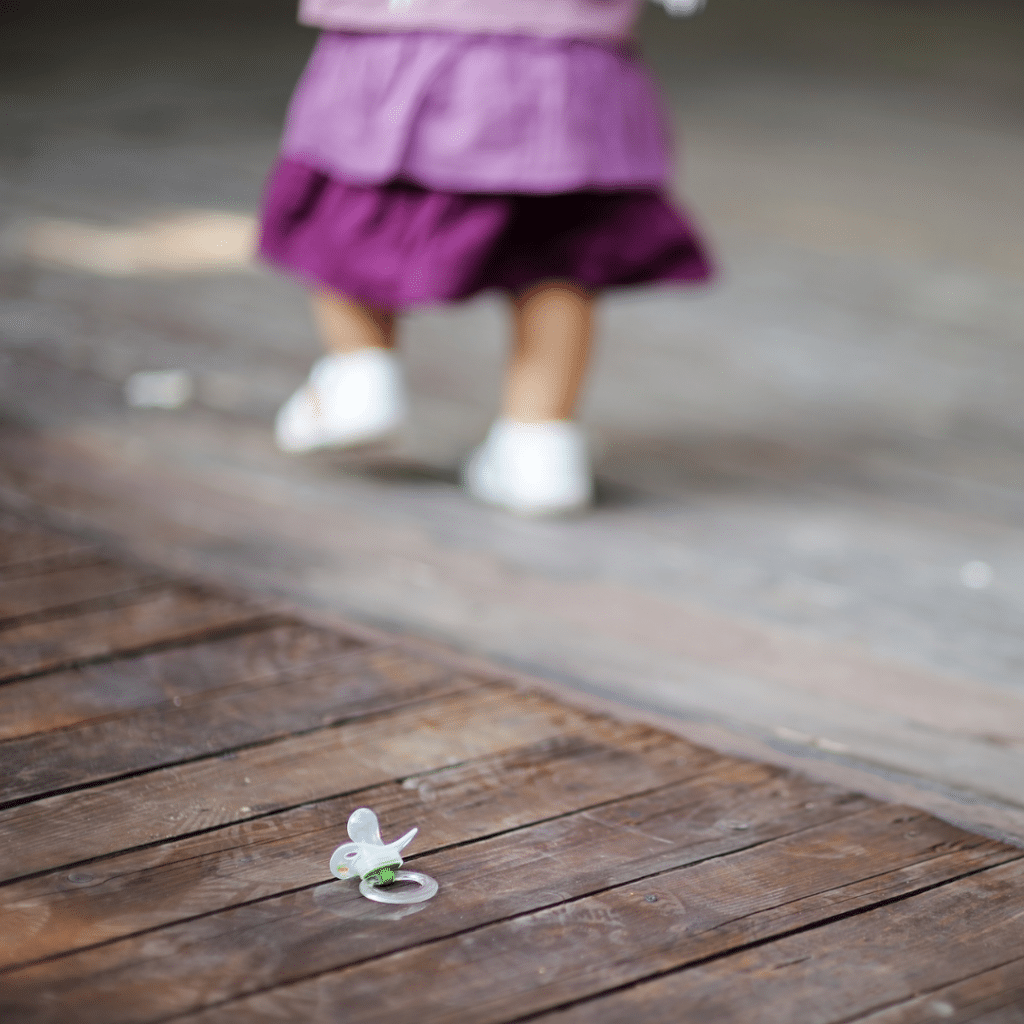
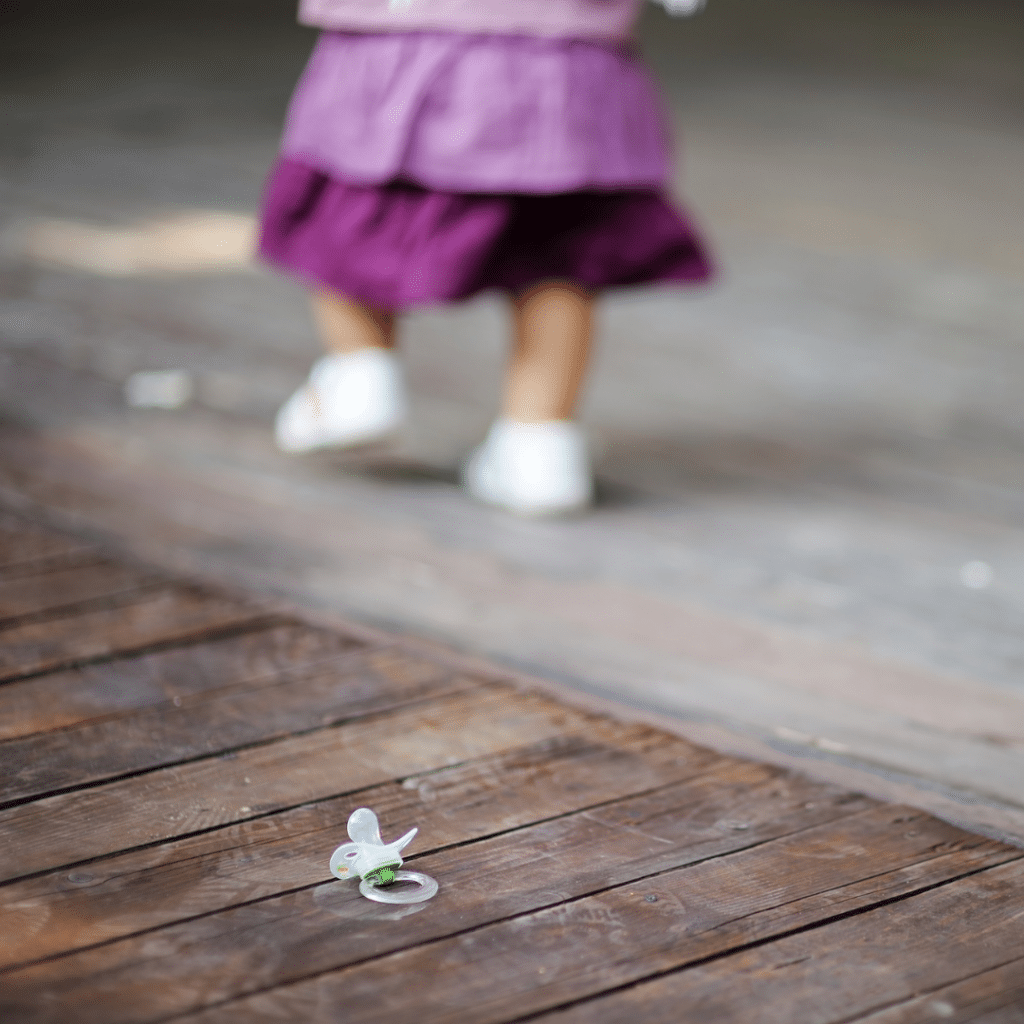
Toddler walking away alone on a deck, with a dropped pacifier nearby

Kids are naturally curious and energetic, making them prone to wandering off when given the chance. As a parent, it’s essential to teach your child to stay close, especially in potentially dangerous situations.

Here are some tips to help you manage wandering behavior and keep your child safe:
Understanding Why Children Wander
Children wander for various reasons, including curiosity, independence, and testing boundaries. They may also wander in search of something exciting or simply because they’re easily distracted. It’s crucial to address wandering behavior promptly to prevent accidents and ensure your child’s safety.

How to Teach Your Child to Stay Close
Maintain a routine: Take your child for walks at times when they’re likely to enjoy it, not during sleep or mealtimes.
Start with short trips: Begin with short walks in safe places like parks or quiet streets and gradually increase the duration as your child learns to stay close.
Provide clear instructions: If your child starts to wander, immediately tell them what to do in a calm and firm manner.
Use logical consequences: If your child doesn’t comply, back up your instruction with a consequence, such as holding their hand for a specified number of steps.
Use quiet time: If necessary, use quiet time as a consequence for wandering behavior. This involves removing your attention from your child until they are quiet for a short time.

Managing Wandering Behavior
Set up practice trips: Plan short trips to practice staying close and reinforce the behavior.
Praise and reward: Praise your child for staying close and consider rewarding them with a favorite activity or special treat.
Be consistent: Consistency is key in teaching your child to stay close. Be firm with consequences and follow through every time.
Seek professional help if needed: If wandering behavior persists despite your efforts, consider seeking professional advice for additional strategies.
Conclusion
Teaching your child to stay close is essential for their safety and your peace of mind. By understanding why children wander, using effective teaching strategies, and being consistent in your approach, you can help your child learn this important skill and keep them safe in various environments.

Triple P – Positive Parenting Program
Are you interested in receiving more parenting advice? Triple P Online – Positive Parenting Program could be for you! This online parenting program allows you to take a parenting class in the comfort of your own home!

If you live in Lane County, you can get Triple P Online for free by filling out the form on the Triple P page. A staff person from Parenting Now will send you an access code within 24 hours and you’ll be able to start using the program right away! For more information about the program and to sign up visit the Triple P page.

Summer Safety Tips for Kids

Young girl drinking water from a bottle outdoors on a sunny day

As temperatures rise, it’s essential to prioritize safety while kids enjoy the great outdoors. Here are some practical tips to keep your little ones safe during the summer months:

  • Protect Kids’ Skin:

    • Sunburn is a common concern. Apply sunscreen with at least 15 to 50 SPF before outdoor play. Reapply every two hours or after swimming, sweating, or toweling off.

    • Babies under six months should be kept out of direct sunlight. Dress them in lightweight clothing and use sun hats and umbrellas for shade.

    • Remember that harmful UV rays are strongest between 10 a.m. and 4 p.m., even when in the shade.

  • Hydrate, Hydrate, Hydrate:

    • Keep kids hydrated at all times. Encourage water consumption, especially before big activities or playdates.

    • Avoid soda, energy drinks, and fruit juices, as they may worsen dehydration.

    • Check the color of your child’s urine—it should be light yellow, not golden or dark.

  • Maintain Healthy Eating Habits:

    • Despite tempting summer treats, stick to healthy eating habits. Ensure your kids get the necessary vitamins and nutrients.

    • Abide by consistent eating patterns to fuel their summer fun.

  • Beware of Hot Cars:

    • Never leave a child unattended in a hot car. Even loving caregivers can forget a sleeping child in the backseat.

    • Create reminders (e.g., placing your phone or bag in the backseat) to prevent this tragic situation.

Remember, summer is about fun, but safety should always come first.

Nurturing Your Relationship: The Key to Positive Parenting

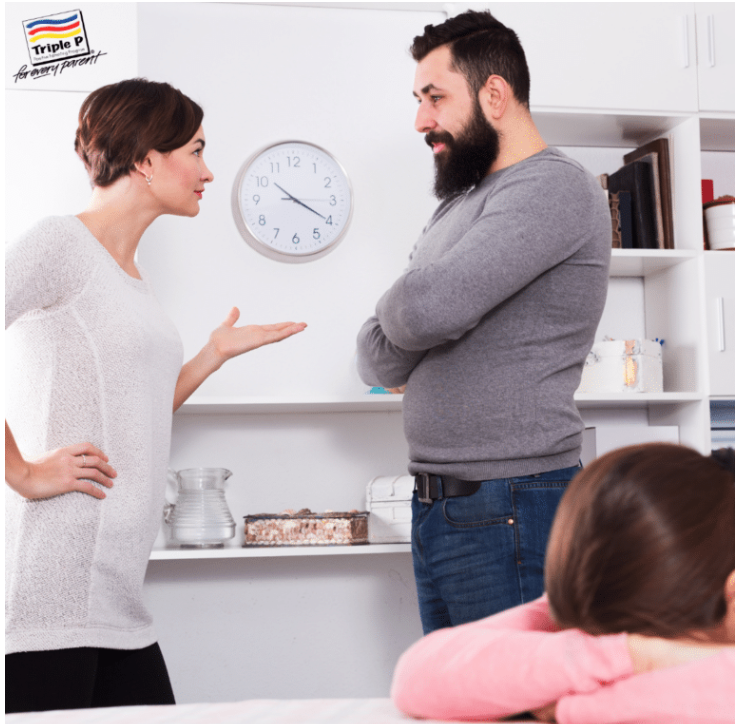
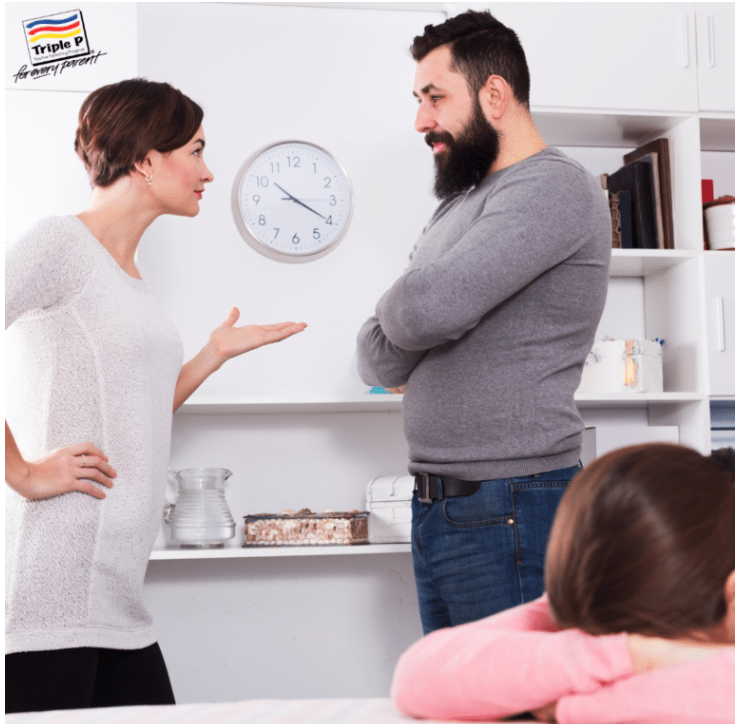
Parents having a conversation in the living room while their child sits nearby

 https://parentingnow.org/nurturing-your-relationship/
https://parentingnow.org/nurturing-your-relationship/

Parenting is a journey filled with joy, challenges, and countless decisions. One of the most significant factors in successful parenting is the relationship between partners. When parents work together, communicate effectively, and support each other, they create a stable and loving environment that benefits the entire family.

Common Parenting Disagreements
It’s natural for parents to have different ideas about parenting. From household rules to discipline strategies, disagreements can arise.

Some common areas of disagreement include:

  • Household rules and expectations

  • Discipline techniques and who should be responsible for discipline

  • Arguments or disagreements in front of children

  • Sharing responsibilities for childcare and household tasks

  • Differences in parenting styles, such as one parent being more lenient than the other

  • Inconsistencies in enforcing rules or supporting each other's decisions

  • Understanding Parental Conflict

  • Conflict between partners over parenting issues is common. Each parent brings their own beliefs, values, and experiences to the table, which can lead to differences in parenting approaches. The day-to-day demands of parenting, especially with young or challenging children, can strain any relationship. When parents are already feeling stressed or overwhelmed, working together as a team can become even more challenging.

Tips for Nurturing Your Relationship:

  • Focus on your own behavior: Instead of blaming or criticizing your partner, focus on your own
    actions and how they contribute to parenting challenges.

  • Take care of your relationship: Show appreciation for your partner's efforts, communicate
    affection, and spend quality time together.

  • Share parenting roles: Discuss and divide household and parenting tasks, and make important
    decisions together.

  • Open communication: Talk openly and calmly with your partner, listen to their perspective, and
    avoid negative communication habits.

  • Give and receive feedback: Offer constructive feedback to each other, focusing on improvement
    rather than criticism.

Solving Problems Together:

  • Avoid conflict in front of your child: Children learn from watching their parents, so model
    problem-solving and conflict resolution calmly.

  • Discuss problems calmly: State the problem clearly, brainstorm solutions, choose the best one,
    try it out, and review its effectiveness.

  • Seek professional help if needed: If conflicts persist or you’re unhappy in your relationship,
    consider seeking professional advice to address underlying issues.

Conclusion
Parenting is a shared responsibility that requires effective communication, mutual support, and teamwork. By nurturing your relationship, communicating openly, and working together, you can create a positive and supportive environment for your children to thrive.

Triple P – Positive Parenting Program
Are you interested in receiving more parenting advice? Triple P Online – Positive Parenting Program
could be for you! This online parenting program allows you to take a parenting class in the comfort of
your own home!
If you live in Lane County, you can get Triple P Online for free by filling out the form on the Triple P page.
A staff person from Parenting Now will send you an access code within 24 hours and you’ll be able to start using the program right away! For more information about the program and to sign up visit the Triple P page.

Slow Down and Play

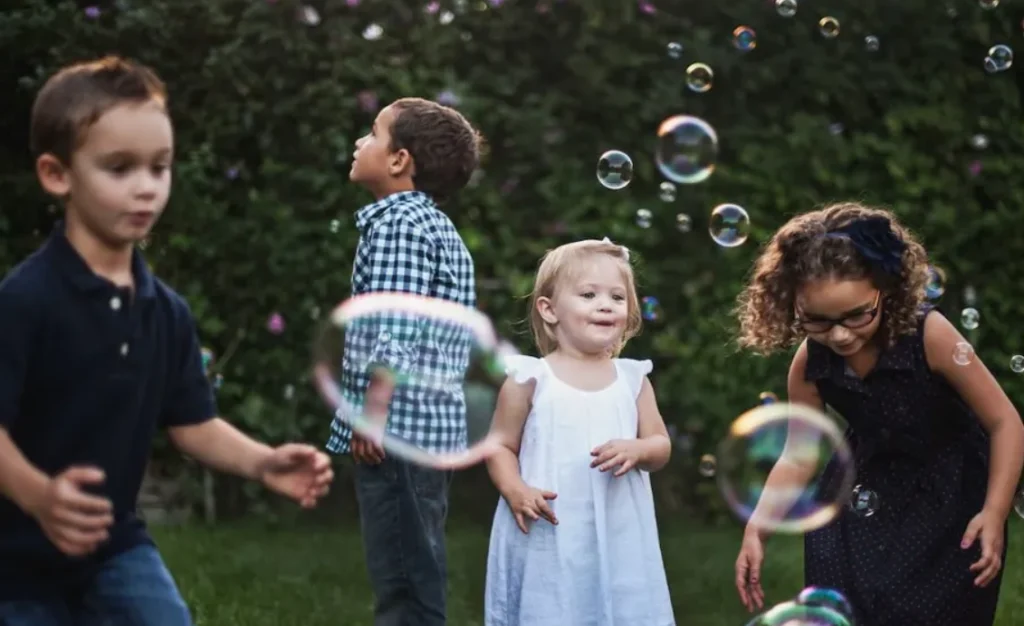
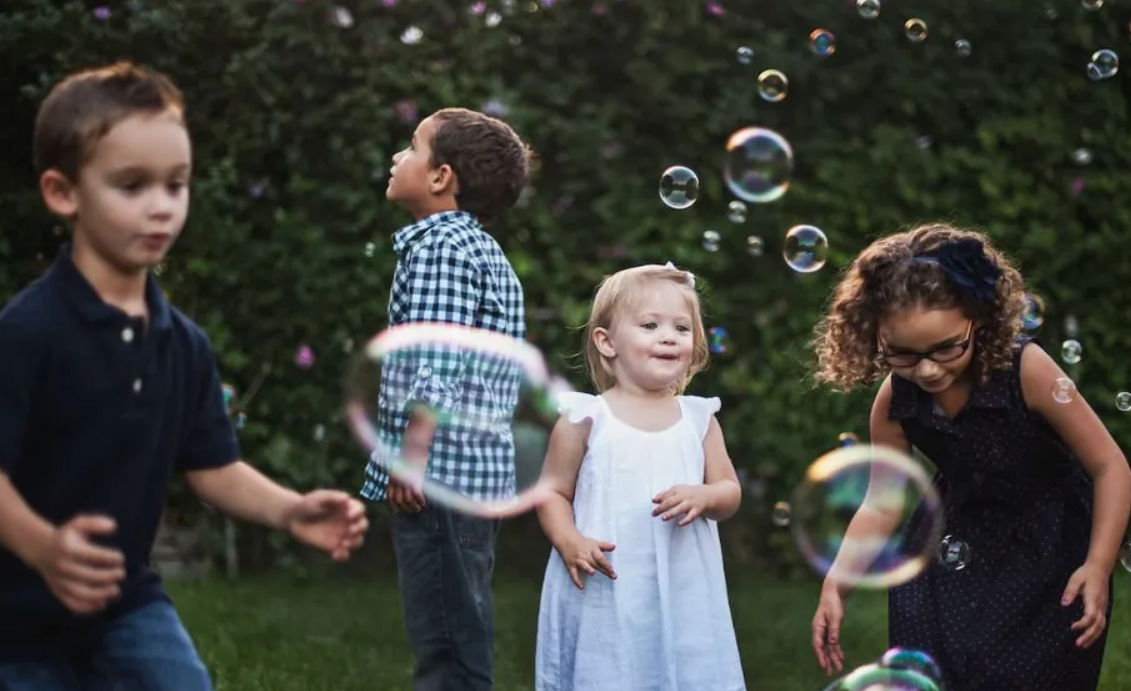
Children playing outdoors together, chasing bubbles in the yard
 https://blogs.oregonstate.edu/opec/slow-down-and-play/
https://blogs.oregonstate.edu/opec/slow-down-and-play/

As an early childhood education student, the more I learned, the more I decided that best practices for young kids were best for us all. We can all benefit from slowing down, making time for wonder, delighting in simple joys, playing, snuggling, moving outdoors, giggling, and maybe even napping. How can we invite these practices into our parenting education classes?

These concepts can build community within your classes and model fun ideas for family life. Slow down and play!

Set the Stage

Joyfully greeting our families helps them feel more comfortable and welcomed in what might be a vulnerable space. We can have materials for people to interact with during the class, such as Play-Doh, crayons, or magna-tiles. If you have slides or posters you can design, add some color and graphics to help them pop. There are many free templates online, such as Slidesgo or Canva). Sitting with people, playing with them, and chatting is an excellent opportunity to center play and relationships. This “special time” was developed by Sheila Eyberg and described in this NPR article. Use this time to talk through the PRIDE (Praise, Reflect, Imitate, Describe, Enthusiasm) acronym referenced in the NPR article so families can try this at home.

Plan Your Breaks

Maybe it seems counterintuitive to plan play, but boosting happiness takes effort. Shawn Achor writes in The Happiness Advantage, “Happiness is not just a mood – it’s a work ethic.” During our short breaks in class, we can infuse some play. Not only is this an opportunity for us to feel better, but we are also modeling strategies for our class to use at home. We can show a quick art inspiration with a clip from Draw Together. We might energize ourselves with a brief walk outdoors around the building. We can decorate the sidewalk outside with chalk art. We might move through a guided meditation.

Abundance

There’s more than enough joy to go around. Ingrid Fetell Lee and the School of Joy remind us that “someone else finding joy doesn’t decrease our own chances. In fact, it makes it more likely.” We are not in competition with each other. Some of our internal scripts reinforce this scarcity concept. We can help reframe this into abundance. The School of Joy offers ideas to react to comments such as, “I don’t have time,” suggesting, “I have plenty of time to do what matters to me.” Turn “You can’t get something for nothing” into “I don’t need to sacrifice to achieve my dreams.”

Boost Engagement

Sometimes, a family member in the class may not be as engaged as we would love. We can start with ourselves to ensure that we are centered and welcoming. Are we harboring any biases that may be barriers? Are there identity markers that we can learn more about to ensure our classes are inclusive for them? Consider their strengths. Seeing the best in them might help them feel validated and develop a sense of belonging in class. Ask them to illustrate an agenda if you notice them doodling during class. Athina Ntoulia writes for NAEYC, “Inclusive teachers learn about children’s [people’s] unique skills, talents, and passions and use that information to create engaging learning experiences.”

Take a Field Trip!

Do you remember how exciting field trips were in grade school? Shawn Achor writes in The Happiness Advantage, “Often, the most enjoyable part of an activity is the anticipation.” Schedule optional activities for your class to build community and joy. Looking forward to something fun on the calendar, and the event itself can reap rewards. You’re in the perfect spot in western Oregon to try forest bathing. Invite all family members along. Young kids will slow everyone down, which is ideal, according to Gary Evans, director of the Forest Bathing Institute: “The difference between normal activities and forest bathing is that we’re going to move very slowly,” says Evans. Forest bathing is about calming down your nervous system and reducing your heart rate and blood pressure.” Travel Oregon has inspiration for other field trip ideas close to home for you.

As busy professionals, I understand that play can seem challenging to add to our days. By adding some of these rituals to your life first, you may recognize benefits that convince you of the value of play and rest.

Resources

Happiness Advantage by Shawn Achor

Joyful by Ingrid Lee Fetell

Rest is Resistance by Tricia Hersey

Rest Life by Tricia Hersey

Ten Percent Happier

By Megan McQueen. Spanish translation by IRCO’s International Language Bank.

Megan McQueen is a warmhearted teacher, coach, consultant, and writer. She grounds her work in empathetic education, imparting a strong sense of community and social skills to those with which she works. Megan prioritizes emotional learning and problem solving skills. When not at work, she is most likely playing with her husband, two children, and pup.

Learn more about the Oregon Parenting Education Collaborative and read our blog!

Keeping Kids Safe in the Home

Toddler reaching for a kitchen drawer, illustrating a home safety hazard
  Keeping Kids Safe in the Home - Parenting Now
Keeping Kids Safe in the Home – Parenting Now

Children love to explore and having a safe home environment allows them to do this to the fullest extent! The more opportunities kids have to safely explore, touch, taste, smell, and look at things, the more they develop and learn. Children are curious and love to experiment- that’s how they learn and master skills. We want to provide a safe place for all that learning to occur!
The Kitchen
The kitchen is a common place for accidents in the home. Make sure to keep anything that could harm your kids out of reach. This includes knives, scissors, lighters, glassware, medicine, and any cleaners such as bleach. Keep your dishwasher closed tightly at all times, and put any of the above-mentioned items in high cabinets, or cabinets that lock. Dispose of any old, unneeded, or outdated medications and cleaning supplies. Keep cleaning supplies, including dishwasher soap and laundry detergent locked in a cabinet.
The stove and oven are always tempting to young children, so make sure to keep the handles of any pots and pans turned facing in. Use the back burners when possible to minimize the risk of your child touching a hot surface. This is especially important if you have a flat, glass-top stove.
It is not always obvious when the surface is hot. To keep kids from pulling appliances onto themselves, hide any cords out of sight.
Keep electrical outlets covered with safety covers that fit into the socket when not in use. Outlets, plugs, and cords can be dangerous for infants and toddlers. Keep a fire extinguisher and fire blanket somewhere nearby. Regularly check that your smoke alarms and carbon
monoxide alarms are working properly. An easy time to remember to check these is when we change our clocks backward or forward with the seasons.
Bathrooms
Once infants and toddlers learn to pull to stand, they may want to pull themselves up onto the bathtub or try to reach faucets. However, this can cause burns and other harmful water injuries. Keep bathroom doors closed when they are not being used. Never leave your kids unattended in a bath, even for a moment. Kids can drown quickly, in just a few inches of water. If you have to leave the bathroom, take your kids with you. Always check the temperature of the bathwater before putting your kids in as well. The recommendation is to
set your hot water heater at 120 degrees to prevent scalding.

Stairs and Doorways

As early as 8 months, babies may start trying to climb stairs. However, falling down stairs can cause neck and spine injuries. If possible, put baby gates at the top and bottom of stairs and keep them closed. Always closely supervise your infants and toddlers when going up and down stairs. Crawling up a few stairs and then going down backward on hands and knees is sometimes a helpful strategy for aggressive climbers. When possible, keep any inside doors propped open with door stops or wedges. This stops your young kids from getting their fingers shut in the door. In a pinch, throwing a sock over the top of the door should keep it from closing. Keep any doors leading outside firmly closed and locked.
Toys
Always follow recommendations for ages on toys, and check recall lists. Regularly check for any broken or missing pieces, as well as batteries. If you have older children in your home, think about the dangers their toys can pose for smaller siblings. If they’re buying marbles for example, where can you keep them that will ensure your toddler won’t be able to access them? Small toys, or toys with removable pieces, can be a choking hazard. Keep this in mind, and communicate with your older kids if a toy is absolutely not for their little brother or sister. Home safety can seem like a big task, especially when young children are involved. Start by making simple changes where your kids spend most of their time, such as in the family room. Slowly go through rooms in your home to assess what could possibly be dangerous, and make changes as needed. If you have an infant, check your space for hazards by getting down on your hands and knees and crawling through your space to see the world from their perspective. You may be surprised to discover what you find. As we move into summer and kids are spending more time at home, being too safe is never a bad thing!

Triple P – Positive Parenting Program

Are you interested in receiving more parenting advice? Triple P Online – Positive Parenting Program could be for you! This online parenting program allows you to take a parenting class in the comfort of your own home!


If you live in Lane County, you can get Triple P Online for free by filling out the form on the Triple P page. A staff person from Parenting Now will send you an access code within 24 hours and you’ll be able to start using the program right away! For more information about the program and to sign up visit the Triple P page.

Getting Along with Others

Young child with a frustrated expression sitting at the table

Toddlers have a lot of big emotions – they’re learning how to exist in the world and how to navigate day-to-day experiences while managing their emotions and feelings. They often don’t have a filter or even know what is or isn’t appropriate to say or do, and at times this can include lashing out or hurting others. When your child wants something and doesn’t know how to express it, they may hit, bite, scratch, or throw something. They aren’t trying to be mean or hurtful, they’re just trying to figure out how to get what they want!

When your toddler acts out by hurting someone or something, it is often because they’re having difficulty dealing with really big feelings, such as frustration or anger. When we experience a big emotion, our brain goes into survival mode, and we don’t have access to our thought process. In order to bring our thinking brain back online, we need to implement a calming strategy such as taking a deep breath. Then we can identify and name the emotion, the brain can calm, and we can find the words to express what we want or need.

You can support your child by paying close attention to their emotions and trying to head off any violent actions before the frustration takes over. Ask them how they are feeling, and help them name their emotion. Validate their feelings by saying something like, “I understand you are angry.” It may take a few moments for them to calm down. Then you can help them identify and ask for what they want or need. As your toddler’s communication skills develop, challenging behaviors will often decrease naturally.

How to help prevent your child from acting out physically

  • Help your child recognize and express their feelings. Talk about your own feelings with your kids. Teach them the name of feelings during everyday activities – when your bag of groceries rips in the driveway, explain that you are angry. Do this when you notice your child having feelings too. If their sibling took their favorite doll, say “How are you feeling? Are you angry because your brother is playing with your doll?” Putting names on feelings is the first big step in identifying and expressing them.

  • Help your child say what they want. Help your child by asking for what they want in appropriate situations. If your child has waited patiently for the doll, remind them to say “My turn, please” or teach them to sign if they are not verbal yet. This is a great way for younger toddlers to communicate calmly while not being able to speak just yet.

  • Prepare your child for playing with others. When you know a play date is coming up, talk to them about playing with their friends. Remind them to play gently and take turns. You can even tell them that they can always come get you if they feel upset or overwhelmed.

  • Watch your child closely. If possible, stay nearby and watch your child while playing. Steering them in the right direction before problems arise will create a calmer play environment, and give you opportunities to praise your child. If you see that your child is about to throw a toy or hit, act quickly and prevent them from hurting themselves or others. Later on, speak to them about what was unsafe at the moment and what can be done next time.

It’s important to remember that toddlers are brand new to social situations, and are still actively developing the skills needed to be a good friend, to share, and to exist peacefully around others.

Be a good role model for your child, as they want nothing more than to be just like you! Use everyday opportunities to show them how to use kind words, manage emotions, ask for help, greet others, and stay calm in tricky situations. Model for your child how to say “sorry” when it’s needed, and how to ask for things that you need. Your toddler is like a sponge, and will soak up each and every lesson you teach them this way!

Finally, encourage behavior that you like to see in your child. If they ask for a turn on a swing instead of demanding or pushing the child currently swinging, tell them that you’re proud of them! If they say please when waiting for a toy, talk about how nice it is to see them asking. When your child isn’t actively in a situation that requires social interaction, you can talk with them about why you value this behavior in your family, and how great it is that they’re exhibiting it.

Triple P – Positive Parenting Program

Are you interested in receiving more parenting advice? Triple P Online – Positive Parenting Program could be for you! This online parenting program allows you to take a parenting class in the comfort of your own home!


If you live in Lane County, you can get Triple P Online for free by filling out the form on the Triple P page. A staff person from Parenting Now will send you an access code within 24 hours and you’ll be able to start using the program right away! For more information about the program and to sign up visit the Triple P page.

Parenting Adopted Children

Family of five lying together in the grass, smiling

As my sister prepared to adopt her daughter, our family excitedly gathered clothes, books, and toys for her. My sister shared photos and advice that she received from her case workers. She read about how best to transition a child to a new home and planned as much as she could for a new addition to the family. As delighted as we all were, we also wondered about additional considerations my niece would need because of her past experiences.

Welcoming a child to the family through adoption or fostering is exciting! Adoption might come with other feelings as well, including doubt, love, grief, and joy. Each child brings their own personality, needs, and quirks that we as parents and caregivers learn about as we get to know our children. You may have a lot of information about your child’s experience and you may not – and that’s okay. You can still build a trusting, loving attachment relationship and we can help build their resilience. Depending on the age of the child when they join the family and their experiences before adoption, adopted children may have a different timeline for important developmental milestones or faced trauma. Of course, you are able to raise a happy, well-adjusted child – especially with extra knowledge about child development.

Whether you are preparing for adoption or have already adopted and welcomed one or more children into your family, try these strategies at home:

Learn about child development

Find reputable resources, such as Just in Time Parenting (which is available in English and Spanish). Learn about different stages of child development – those leading up to your child’s time joining your family as well as your child’s current age and stage. This website shares research, activities, advice, and fun from birth through age five. Some of the tips provided are simple games to build coordination. For example, 25-26 months olds can play with a spoon and pan to copy sounds you make while drumming. This builds rhythm, coordination, and builds your relationship.

Focus on building a positive, trusting relationship

At seven months old, Just in Time Parenting reminds readers that babies are learning about different people. They may have developed caring, trusting attachment relationships with their caregivers before coming to your family or they might be developing these relationships for the first time. Even with trusting relationships, children at this age may cry or scream with other people (including family members they know and love!). This is normal and part of the process of learning who they can trust. Again, babies that may not have attached to a loving parent or caregiver before this age may be dealing with trust, attachment, and abandonment issues that will require extra patience, effort, and time to build those healthy relationships.

Value play time together!

Children and adults need to play. The time spent together will build your relationship and many skills. Gross-motor (large muscles: leg & arm muscles & balance) and fine-motor (small muscles in fingers) skills are built through running, dancing, skipping, drawing, painting, and building. Children will solve problems, use their imagination, and build a strong connection with their playmates. Play time is also an opportunity to work through issues they may have faced, such as a stressful separation, a long plane ride, or difficult doctor visits.

Join a parenting class

Connect with other families, build confidence, and establish better relationships with your children as well as with families in your community. Learn ways to raise confident, kind, independent children. For those in Oregon, you can find your local parenting organization that hosts free parenting classes and events here.

Seek out any needed medical support and therapy for your child

This may mean dentist appointments, occupational therapy, play therapy and speech and language support. Ask your pediatrician about Early Intervention services that may be useful. Boost your child with experts to prevent or minimize issues later in childhood.

Advocate for your child

Ask your child care providers to share signs of emotional distress they may see so you can bring them to the attention of your child’s medical team or social workers. Educate the people in your child’s life (daycare providers, grandparents, or teachers) about your child’s specific needs and how best to bolster them so your child is surrounded by people who can care for them in the most meaningful manner. For example, tell caregivers that you are working to build trust with your child. If they refuse to share a toy, use this as an opportunity to build empathy. Talk to your child about how they feel when they want something someone else has. How does it feel when that person shares? How does it feel when that person won’t share? How does it feel when you share with someone? These conversations will boost relationships and build social and emotional skills.

My niece has brought much joy to our family and we have all learned from her. One of my favorite lessons she has shared is unconditional love. We accept her for who she is and do our best to support her. Our utmost goal has always been to meet her needs. She is perfectly imperfect and our job is to love her; just the same as for all the other children in our family.

Tips for parents and caregivers

  • Parent children based on emotional age.

  • Instead of “time out”, take a break together to help build attachment.

  • Be consistent and predictable.

  • Model and teach desirable behaviors.

  • Be patient (with yourself and your child).

  • Remain calm and help the child regulate herself before discussing consequences.

  • Allow extra time transitioning between activities.

  • Create a “safe place” for family members to calm down and take a break.

Children’s Books

Babies Come From Airports by Erin Dealey

How I Was Adopted by Joanna Cole

A Family is a Family is a Family by Sara O’Leary

Websites

Oregon Post Adoption Resource Center

KEEP for Families: parenting education program and supports for families with adopted children

Child Trauma

Just in Time Parenting

Quality Improvement Center for Adoption and Guardianship Support and Preservation

By Megan McQueen. Spanish translation by IRCO’s International Language Bank.

Megan McQueen is a warmhearted teacher, coach, consultant, and writer. She grounds her work in empathetic education, imparting a strong sense of community and social skills to those with which she works. Megan prioritizes emotional learning and problem solving skills. When not at work, she is most likely playing with her husband, two children, and pup.

Learn more about the Oregon Parenting Education Collaborative and read our blog!