Back to School Behaviors

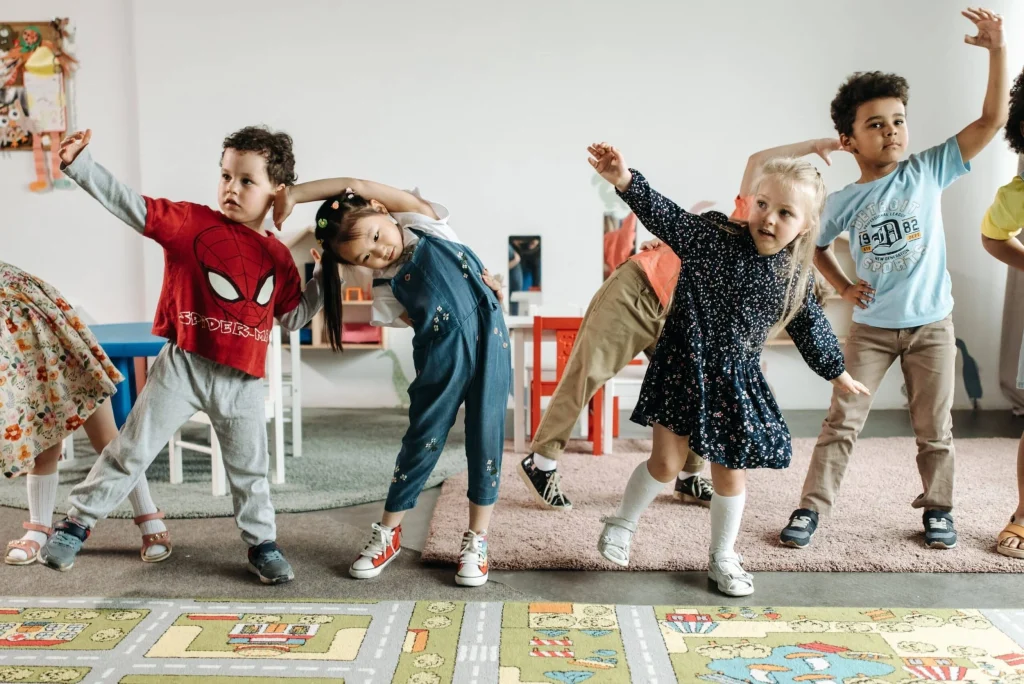
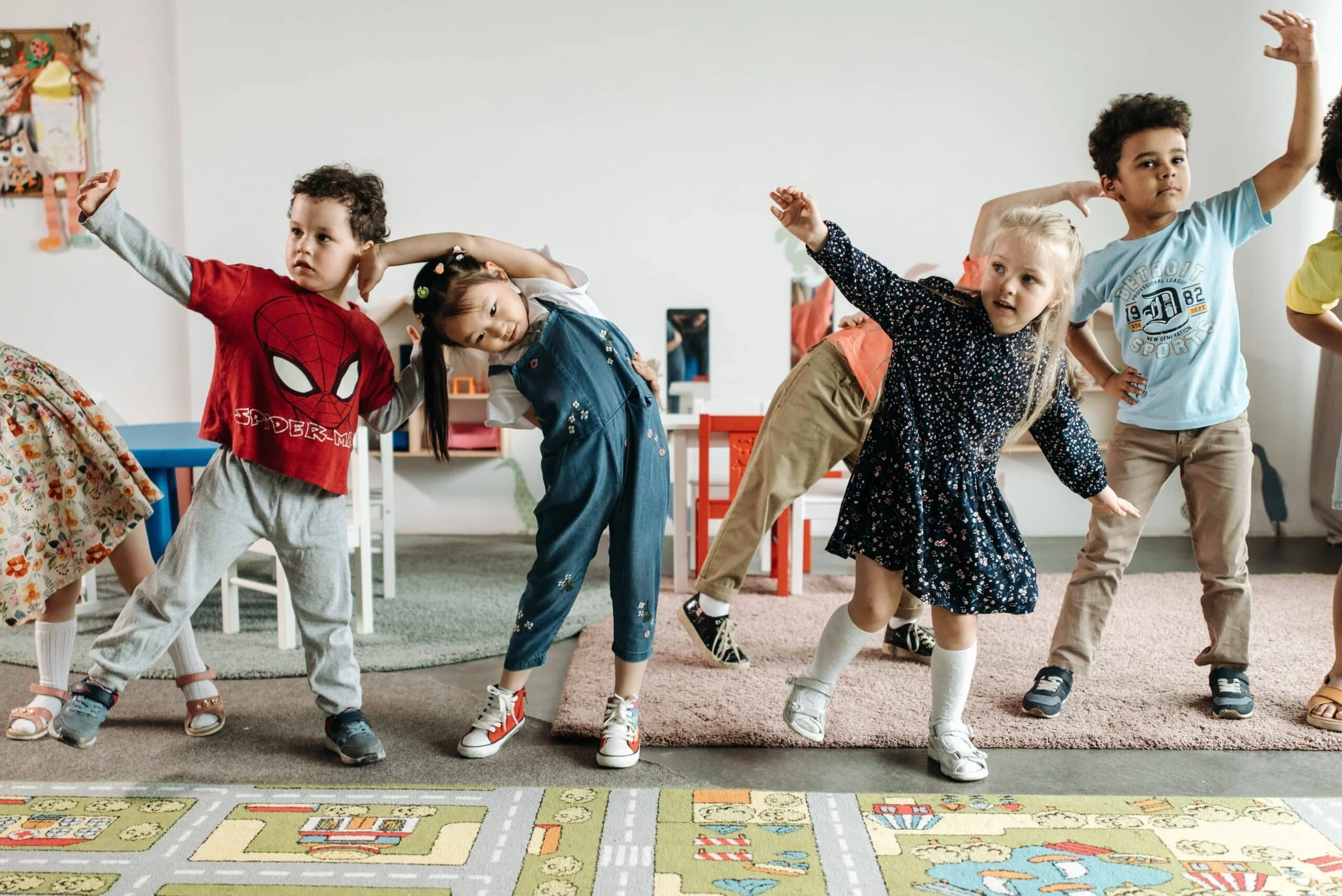
Group of children stretching and moving together in a classroom

What to do when your child is acting out at school?

School has been back in session for a little while now, and you think your child is doing great! But then you get a phone call from the teacher about some troubling behavior, and find out that they’ve been acting out at school – what do you do? Don’t worry, you can help your child succeed in school by being interested and involved in their learning and school life. By working together with your child and their teacher, you can encourage responsible behavior and cooperation!

Some common behavior issues that may concern teachers and be brought to your attention:

  • Distracting others

  • Not following instructions

  • Yelling

  • Not doing/finishing work

  • Getting into fights

So, why do these problems happen at school?

Elementary schools have rules and expectations for how kids should behave. However, young kids are still learning how to manage their emotions and navigate new situations, and this is where issues can arise. Your child might not know or understand the class rules, or may forget them. They might find that they get more attention when acting out in class, or that their behavior causes others to laugh or react in a way they see as positive. 

Challenging behaviors can also be your child’s way of coping with new situations or a sign that they’re struggling with school work. If the schoolwork is challenging, they might act out to avoid certain situations, or because they’re lacking the self-confidence to tackle the work. Inversely, if the work is too easy, your child might be bored and disruptive. If either of these seems to be the cause for behaviors, please talk to your child’s teacher about next steps and alternative options. 

How To Respond To School Problems

Discuss the problem with your child

Ask your child about what is happening, and encourage them to give you their point of view. You might learn that the situation feels very different from their point of view. Ask open ended questions and encourage them to share their feelings. You can validate how they feel without condoning the concerning behavior. Avoid lecturing or reprimanding them during this conversation. 

Discuss the problem with the teacher

After you’ve talked with your child, arrange time to speak with their teacher. Ask the teacher to share their views on the issue and what’s behind it. Try to stay calm and understand from their point of view, just as you did with your child. Find out if the teacher has any suggestions, workarounds, or learning supports that can be put in place. 

Get involved with your child’s school

Talk with your child about their day so you know what is going on from their perspective. This is a great way to stay in tune with your child, and also to avoid being blindsided should you get another call from the school about any more behaviors. Show a genuine interest in who they’re playing with and what they’re learning. Be supportive for them both emotionally and educationally. 

Try to maintain consistent communication with their teacher(s). Get to know each other and talk about your child’s achievements as well as any concerns. If you’re able to, consider volunteering at their school occasionally!

Create a plan to respond to persistent problems

You’ve talked to your kid and the teacher, now what? Suggest a plan that supports the behavior you want to see both at home and at school! Have their teacher clearly tell you what is expected of your child, and work from there. You could set up a behavior diary with the teacher, which can be filled out by the teacher for both troubling and positive behaviors, or create a consequences and rewards system based on behavior. Review progress with your child and with their teacher, and praise and reward your child for acting responsibly.

When you talk with your child about their day, point out when they handle a situation appropriately, and help them feel proud of themselves. When they have a good day, celebrate with them! Enjoying time with you is one of the things that is most rewarding for kids.

It’s important to remember that your child is still learning how to navigate situations such as school, and that their feelings and behaviors can be hard for them to manage at times. It isn’t helpful to blame yourself, your child, or the school in these cases. Be positive and encouraging, and make sure your child knows that you want them to be happy and successful in school!

Triple P – Positive Parenting Program

Are you interested in receiving more parenting advice? Triple P Online – Positive Parenting Program could be for you! This online parenting program allows you to take a parenting class in the comfort of your own home!


If you live in Lane County, you can get Triple P Online for free by filling out the form on the Triple P page. A staff person from Parenting Now will send you an access code within 24 hours and you’ll be able to start using the program right away! For more information about the program and to sign up visit the Triple P page.


Fun Fall Crafts!

Two children joyfully throwing autumn leaves in the air outdoors

The leaves are falling, school is in full swing, and the weather is changing! This season brings about a lot of change, including keeping your kids indoors more with the rain and cold. Try one of these fun fall crafts to keep them – and you! – busy on your next rainy Sunday inside.

 PAPER PLATE WREATHS

Making paper plate wreaths is fun, simple, and a good way to get creative with your kids.

You will need:

  • Paper Plates

  • Different colors of tissue paper

  • Gluestick

Using child safe scissors, help your child cut out the center circle of a paper plate. Set the center circle to the side (you can use this to color on later!), and select a few different colors of tissue paper. Have your kids crumple up little pieces of the tissue paper, put some glue on the outer plate ring, and stick the tissue paper on it. Repeat all the way around the plate until your child has a beautiful, colorful wreath for Autumn!

Popsicle Stick Apple Cores

These are so cute, quick, and easy to make!

You will need:

  • Popsicle sticks

  • Green, red, and brown construction paper

  • Glue

  • A black pen or marker

Help your child cut green and/or red circles, then cut those in half with child safe scissors. Cut brown rectangles, and green ovals for leaves. Help your child glue three popsicle sticks side by side to create the core, then have them place the other pieces and glue to the popsicle sticks. Help them color on seeds and you’re finished!

Leaf Rubbings

Your curious nature lovers will enjoy this activity! Part art and part science, your kids will learn about nature while creating their own colorful leaf.

You will need:

  • Leaves! Different shapes and sizes make this activity even more fun.

  • Tracing paper or parchment paper

  • Crayons

  • A hard surface (a table or clipboard)

Have your child pick a leaf and place it on a solid surface. Cover the leave with the parchment or tracing paper, and slowly and steadily rub crayons over the top of the paper to reveal the outline and details of the leaf. Your child will be so excited to see their leaf brought to life on paper!

Once you’re all done with your crafts, display them somewhere for the whole family to see, your child will be so proud to see their work hung up. Kids love to make crafts that you can display in your home for them to see often!

Balancing Work and Family

Parent working on a laptop while holding a baby

As summer starts to wind down and families begin to adjust their school/work schedules, it’s important to consider how you balance work and family. Often, balancing work and family can feel challenging because stress from one may pour into the other. Ideally, your goal is that you feel calm and controlled regarding your time both with family and work, and your children will feel at ease whether you are at home or at work.

How can you prevent work from negatively affecting your family life?

Have realistic expectations

Avoid setting unattainable goals at work, such as finishing a huge project the first week your kids go back to school or cramming in a ten hour work day before the weekend. Expecting yourself to achieve something unrealistic may leave you feeling let down, and that feeling can be difficult to shake at the end of a work day.

Instead, think about what you can reasonably achieve at work, given the expectations you have for yourself as you support your children as they begin a new school year. 

Be open about your limits and needs.

Be open and honest with your employer about your family and childcare needs. Understand that if you have a sick child, an important family event, or an unexpected emergency, you may have to make special arrangements. Talk to your work about what support is available, such as PTO, family leave, and child care.

Use your transit time to create smooth transitions

When you leave work at the end of the day, switch yourself out of work mode. What will help you transition from work to home? You could use your travel time to listen to music or a podcast, relax, and mentally unpack your work day. Begin to plan for family time, and shift your mind to your parenting role. Your kids will appreciate you being 100% focused on them, and you’ll be happier being present when you arrive home. 

Plan activities outside of work

Balance is the key term in “Work/Life Balance.” Plan fun activities on the weekend, find things you and your family enjoy doing together, and don’t forget to address your personal needs as well! 

Try to leave work behind during family time

Whenever possible, unplug from work. Try not to respond to calls or check emails, and if you find your mind drifting to work related things, acknowledge that thought and then shift your focus back to the present. If you find yourself thinking about a particular project or something you want to follow up on, write it down; send yourself a text or an email to help yourself remember when you get back to work, and then you can return to being present with your family.

In addition to the above things that you can do, be sure to utilize other resources in your life. Work as a team with your partner and/or caregivers, and lean on your village when you need a little extra help. You can do it all with the help of your loved ones and support you have in place!

It may be helpful to sit down with your parenting partners and talk about the approaching transition. What do you need to get done before school starts? What would help each child be successful this school year? What can you set up to help everyone through the first week? Can you plan simple meals or set up systems for returning homework? Split up the tasks so that everyone contributes and everyone feels supported. 

It’s normal for parents to have mixed feelings about working. You may enjoy the social contact and mental challenges of work. At the same time, you may worry about leaving your kids with others or missing out on time with them. Both of these perspectives can be true at the same time. However you feel is normal and you can be successful at work and at home with thoughtful planning. Your children will feel supported as they begin a new adventure in learning, and you can cover all your bases both at work and at home.

Triple P – Positive Parenting Program

Are you interested in receiving more parenting advice? Triple P Online – Positive Parenting Program could be for you! This online parenting program allows you to take a parenting class in the comfort of your own home!

If you live in Lane County, you can get Triple P Online for free by filling out the form on the Parenting Now Triple P page. A staff person from Parenting Now will send you an access code within 24 hours and you’ll be able to start using the program right away! For more information about the program and to sign up visit the Parenting Now Triple P page.

Preparing Your Kids for Back to School

Two children lying on the floor writing together in a notebook

As summer winds down, some kids feel excited about school coming up and some feel anxious, but all kids sense that a shift in routine is coming, and that can bring up some big emotions. The good news is that, as a parent, there are some things you can do to help your children manage these emotions and get ready for back to school!

Start Talking About School

Begin discussing school earlier in the summer, especially if it’s your child’s first year! Talk about what a school day might look like, how they will get to and from school, and emphasize how fun learning new things and making new friends will be.

Check Out the School

Drive by your child’s school. If you’re able to, stop by and play on the playground or park in the parking lot as you will when the school year starts. Or, if your child will be taking the bus, point out where the bus may drop them off and where the front doors of the school are. 

Practice Getting Ready

Make a fun game of picking out a “school outfit” on a summer night, going to bed, setting an alarm, and getting up and ready like they will for school. Packing a lunch, reading a story about school, talking about your own memories of school, or even walking to the bus stop can all be a part of this make believe game. Base it off of what your real school mornings will look like!

Take Time to Connect

On the morning of the first day of school, your child may feel excited, scared, anxious, nervous, happy, or any combination of these emotions. While things may feel hectic, take a few moments to connect with your child, to remind them of qualities you love about them that will help them feel successful in school (i.e. you’re such a great friend, you always listen to others, you’re so kind!) Take a moment to breathe with your child. 

It’s time to send them off to school! You’ve given your child the tools they need to succeed, see them off to school safely and take some time to adjust yourself to this change in routine too. Parents and caregivers are going through a change this time of year as well!

Triple P – Positive Parenting Program

Are you interested in receiving more parenting advice? Triple P Online – Positive Parenting Program could be for you! This online parenting program allows you to take a parenting class in the comfort of your own home!

If you live in Lane County, you can get Triple P Online for free by filling out the form on the Parenting Now Triple P page. A staff person from Parenting Now will send you an access code within 24 hours and you’ll be able to start using the program right away! For more information about the program and to sign up visit the Parenting Now Triple P page.

Take a Road Trip This Summer

Family sitting in an open car trunk with arms raised during a road trip

Summer is already busy, so why should you prioritize taking a road trip with your young kids? The answer is simple – because life is busy. Road trips don’t have to be big or elaborate to make a big impact on your kids!

Road trips are a time to connect. The act of driving to the destination is a memory your children will remember with love for years to come. Road trips put your family in a position to sit and talk and play for hours, without distractions that might come up at home. The drive will create an opportunity for silly, low-key family moments together. You can play games by looking for letters of the alphabet, sing silly songs, tell stories, and talk about all the fun you’re about to experience together!

Fun Road Trip Activities

  • I Spy With My Little Eye (Something that is…purple!)

  • Counting game – Pick an item to keep track of and then count them together. (Count the number of red cars or the number of barns, train crossings, or speed limit signs.)

  • Guess the Animal – One person thinks of an animal and everyone else takes turns asking questions to try and figure out which animal it is. (Model asking broad questions first, such as does it walk on four legs or does it have fur, before moving onto the more direct questions, like is it a giraffe.)

  • The Alphabet Game – Take turns trying to find the letters of the alphabet (Find an “A” in a license plate, then a “B” on a road sign, a “C” at a gas station, etc.

Road trips also offer more flexibility than other modes of transportation, such as flying, trains, or public transportation. That might sound counterintuitive at first, but driving allows you to create or change your schedule as needs arise. If your toddler needs some fresh air or your baby needs a bottle, or you just want to explore a new area, you can make that happen at any time!

While a flight with kids is just something you aim to get through and finish, the road trip becomes its own unique adventure, something to enjoy. Even if it’s a simple drive a few hours away, the magic created from time together as a family will enhance your trip, instead of just serving as a way to get there.

Whether it’s a drive across the country or an hour away to a zoo, packing up the car and getting everyone together to drive to a destination is a positive bonding experience.

Triple P – Positive Parenting Program

Are you interested in receiving more parenting advice? Triple P Online – Positive Parenting Program could be for you! This online parenting program allows you to take a parenting class in the comfort of your own home!

If you live in Lane County, you can get Triple P Online for free by filling out the form on the Parenting Now Triple P page. A staff person from Parenting Now will send you an access code within 24 hours and you’ll be able to start using the program right away! For more information about the program and to sign up visit the Parenting Now Triple P page.

Having Visitors

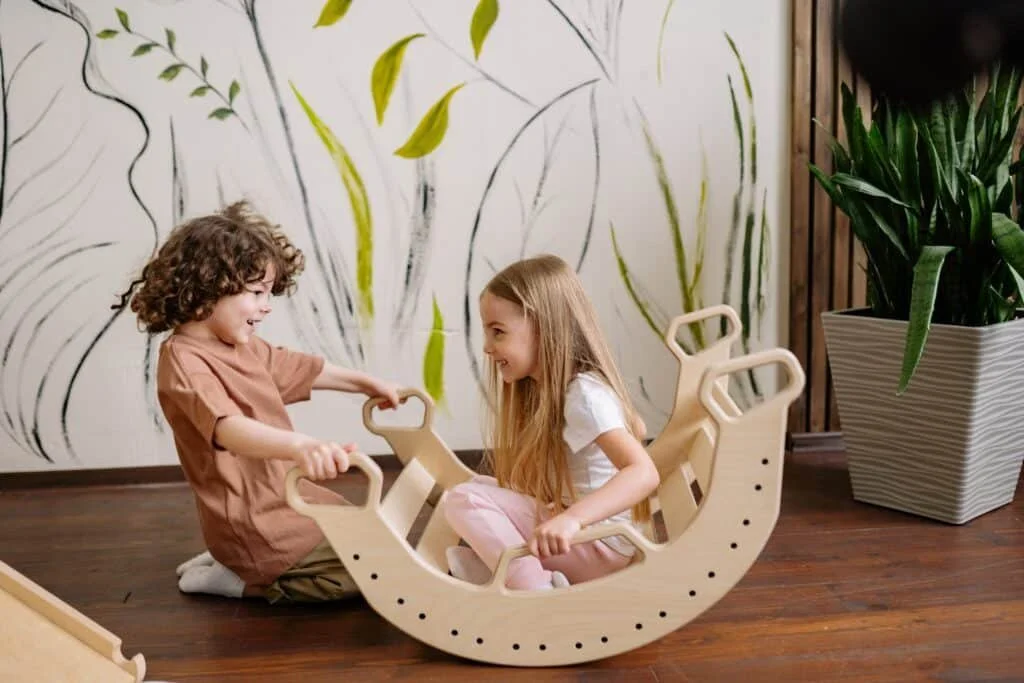
Two children playing together on a wooden rocking toy indoors

Having visitors in your home feels like it should be a fun and exciting event, so why are your preschool aged kids acting out during this time? Kids will often be excited about having friends over to play, but having someone else in their home can be stressful for kids.  Sometimes they may respond to this stress by refusing to share, refusing to play with the visiting children, or constantly demanding your attention. Fortunately, there are ways you can help your child learn to manage their feelings and respond to their guests appropriately.!

Before the visit, plan the time together with your child. How long will they have to play? Will there be a snack? What activity do they want to do? Which toys will they play with? If there are toys they don’t want to share this time, you can put them out of sight. By respecting your child’s wishes around which toys they are willing to share, you are teaching them to set boundaries. When your child can make choices about what to expect, you are gaining their cooperation up front, and you are increasing your chances of a successful, well behaved visit.

Key Steps to Preventing Problems When You Have Visitors

  • Try to plan visits around your child’s usual sleeping and eating times, so as not to disrupt routines. This is important for your child’s ability to stay calm and regulated. We all do better when our basic needs for rest and food are met.

  •  Get your child to agree to a few simple rules while your guests are here. Focus on things they should do, not things they shouldn’t do. (Ex: Take turns with your toys). Remind them of these rules prior to your guests arriving.

  • Talk with your child about what to do if they feel frustrated or angry during the visit. Practice taking deep breaths together. How can they express what they want in a calm way? When should they ask for help from an adult? 

  • Encourage your child to greet guests when they arrive. Practice what to say, such as, “Hi Billy. I’m glad you’re here.”

  • Make sure you have some activities ready for the kids in advance. Help your child and any visiting children get set up with the activities so that everyone is comfortable.

  • Praise and reward the kids for cooperating and playing together nicely.  Check in often, not just when challengingbehavior is occurring. 

  • Act as soon as a challenge arises. Get close to your child, use a quiet and calm voice, and tell them what to stop doing and what to do instead. 

  • If the behavior continues, back up your instructions with a logical consequence (ex: You  continued to throw your toy car so now I will need to take it away for ten minutes).

  • After the guests leave,  talk about the visit with your child.  Ask them what they did well, and help them to feel proud of themselves.  Then spend some quality time together.  This individual attention will let them know they are important to you, and you like spending time with them. 

Having visitors provides kids with the opportunity to practice some complex social skills, such as being a good host, talking politely with adults, greeting visitors, and considering things other children might like to do. It helps them learn to cope with their feelings in sometimes unpredictable situations, and to negotiate friend relationships. While your child will get better at these skills with time, it’s important not to expect your child to be perfect at first, a lot is happening in their home!

As your child gets more comfortable with having guests at their home, they will get better at all the social skills they are learning. They will learn to manage their difficult feelings and behave responsibly, so won’t need as much reminding of the rules, rewards, and consequences. Continue having friends and family over to your home, and notice and point out  when your child behaves well. You’re building skills that will help your child with social interactions throughout their life!

Triple P – Positive Parenting Program

Are you interested in receiving more parenting advice? Triple P Online – Positive Parenting Program could be for you! This online parenting program allows you to take a parenting class in the comfort of your own home!

If you live in Lane County, you can get Triple P Online for free by filling out the form on the Parenting Now Triple P page. A staff person from Parenting Now will send you an access code within 24 hours and you’ll be able to start using the program right away! For more information about the program and to sign up visit the Parenting Now Triple P page.

Teaching Gentle Behavior

Parent and child sharing a gentle hug on the couch

Toddlers, by nature, are sweet and kind, but they don’t always have the words or skills to work through their big feelings and emotions. They don’t yet have the words to express their feelings or needs in order to get what they want in a socially acceptable way. They have not yet learned to regulate their feelings, so big feelings may take over their behavior. When they are upset or frustrated, a toddler might bite, scratch, or hit you or another child. 

It can be startling for parents when their toddler starts biting or hitting out of nowhere, but there is usually a reason behind it:

  • It could be that your toddler is teething and looking for relief any way they can get it.

  • Sometimes your toddler just wants to see what happens if they bite, hit, or push. These behaviors usually get a big reaction from grownups, which children may find rewarding.

  • Toddlers can harm others when they are frustrated and they do not have the words to express themselves. 

  • Hurting may be a way for a child to get what they want. If pushing a friend out of the way to get the toy first works, then that toddler might keep using that tactic.  

Supporting your child through this phase

You want your child to be well liked by his friends, so during play dates or at the park, watch your toddler closely to prevent problems before they start. Look for signals that your toddler is getting upset, such as raising their voice, kicking or throwing toys, crossing their arms, etc. 

When you see your toddler acting in a way that tells you they are getting frustrated or angry, that is the time to intervene. Get down on your child’s level and tell him what you see. “I see you stomping your foot.” Then name the feeling. “Are you feeling angry?” Help him to say how they feel, begin to regulate those feelings, and then identify what they want. “Let’s take a deep breath together. That’s better, good work. Now, can you use your words to tell me what you want?” 

Your toddler depends on you to help him learn how to behave with others. You are his secure base he can turn to again and again when he is having difficulty. Your open arms invite him to learn the skills he needs in a loving way. When you do need to remove him from the situation, it is important to remain calm yourself, and speak to him in the same gentle way you would like him to talk to you and others.

Sometimes, you will need to remove him from the situation for a few moments to help him calm down.

  • If you see your toddler acting in a way that isn’t gentle, such as throwing toys or sand at another child, quickly remove your child from the activity.

  • Tell your child why they had to stop playing and what the next step is going to be: “Lauren, you threw sand at Cameron and that made him sad. We are going to have some quiet time away from the sandbox to settle down and talk about why we don’t hurt our friends.”

  • When your child has calmed down, after a minute or two, you can let them return to their activity.

  • You may need to repeat these steps a few times.

Encouraging gentle behavior

Toddlers have a big capacity for love and affection, but sometimes they need to be taught how to be gentle with others. We can model this behavior for them in our interactions with our own children, such as:

  • Stroking their hair

  • Rubbing their back

  • Holding hands

If you have a pet at home, you could demonstrate gentle ways to pet the dog or cat. If your toddler likes to play with baby dolls or stuffed animals, you could also show your child how to gently tend to them.

You can also support your toddler’s gentle side by giving them praise when you see them playing nicely with others. When your child is playing well, give them lots of attention and talk about it: “Conrad, you are doing a great job of taking turns with your friend.” 

And when your child is being sweet with you, you can also let them know: “Oh, thank you for that BIG hug. It makes me feel so special when you hug me.”

This article is brought to you by Parenting Now Parenting Educators and authors Amanda Bedortha, Claire Davis, and Kalina Glover-Moresi. Parenting Now offers parenting groups and drop-in programs for families with children 0-8, and is passionate about fostering happy, healthy families. For more information about Parenting Now please visit their website (https://parentingnow.org/) or contact us at info@parentingnow.org.

Triple P – Positive Parenting Program

Are you interested in receiving more parenting advice? Triple P Online – Positive Parenting Program could be for you! This online parenting program allows you to take a parenting class in the comfort of your own home!

If you live in Lane County, you can get Triple P Online for free by filling out the form on the Triple P page. A staff person from Parenting Now will send you an access code within 24 hours and you’ll be able to start using the program right away! For more information about the program and to sign up visit the Triple P page.

Teaching Chores and Cleaning Up Skills

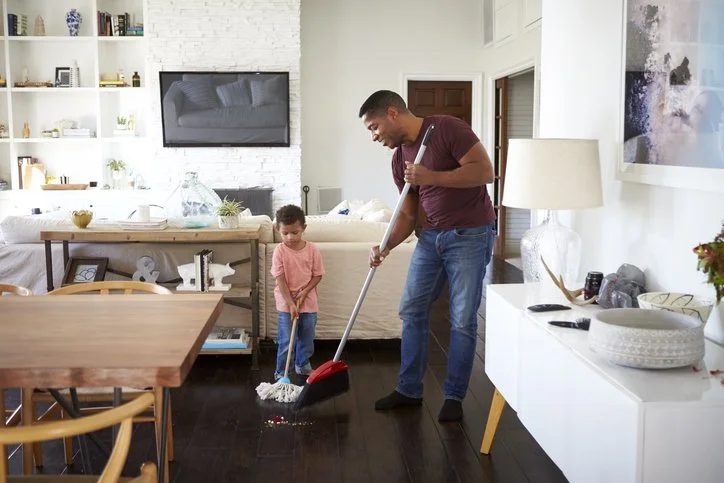
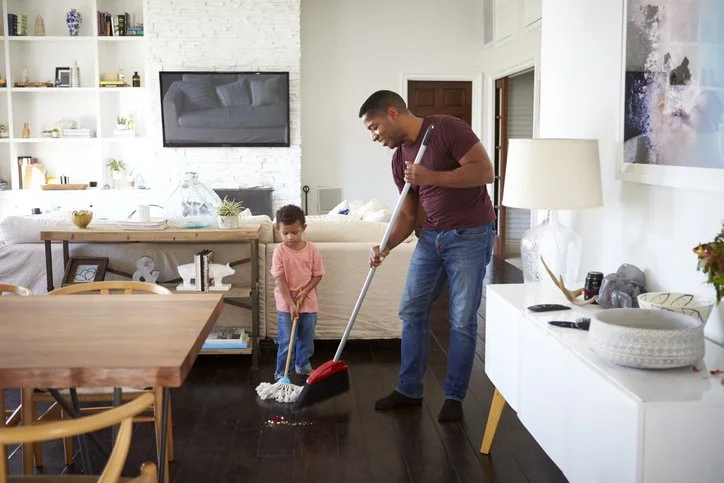
Parent and child sweeping the floor together at home

Many kids can benefit from participating in daily or weekly chores. It helps you out, it helps care for the home, and some studies even link early childhood chores to later success in adulthood, pointing to strengthened adult relationships and successful careers. The key is knowing what chores are appropriate for your child’s age group, skill level, and maturity. 

If you’d like your young child to start doing chores, sit with them and talk about what chores look like, what chores are, and how to do each one. Be specific. 

You can talk with your child about how everyone in the family contributes to all of your lives running smoothly. Young children want, more than anything, to be like a grown up. By giving your child the opportunity to contribute, they can feel proud of themselves. As their sense of self grows, they feel like an important part of the family. They are growing in confidence and skills.

In addition:

      • Discuss why helping is important: “It takes all of us working together to make our house and family run smoothly.”

        • Make a list of chores that need to be done: feeding the dog, putting away laundry, and taking out the recycling.

        • Make a list of the chores your children would like to do first or learn how to do. 

       • Create a final jobs list and categorize by family member, and whether the chore is daily, weekly, or monthly.

You can let your child know that you will also be doing your chores just like they will be doing theirs. After talking about chores and what they look like, come up with some chores that you both think would be beneficial for the household. 

Here are some ideas:

Ages 4-5:

• Clear and set the table

Dust items that are not fragile

• Help carry and put away groceries

• Put away toys

• Make their bed

• Water plants

Ages 6-8:

• Feed the pets

• Clean the floors

• Take out the trash

• Put away laundry

• Help wash dishes

Young children can help around the house in many ways. Children at different ages and stages of child development can handle different levels or complexities of chores. An older child might be able to load the dishwasher but a younger child can still pick up their toys after playing with them. 

When talking to your younger children about chores, keep it simple. You can tell your child that “If we work together as a family to get chores done, then there is more time for fun.” 

As a family, make a list of chores that need to be done. Then, talk about it as a family. Allow your child to add to the list and see if they can think of things they might want to help with. Figure out tasks your child can do on their own without needing much help.

As your child matures, give them age-appropriate tasks from the list. For example, you might start with picking up toys and putting them in a bucket when they are toddlers. Then, moving to clearing the dinner table when they are a bit older. Some children might need to see the list as things that need to get done throughout the day. Some chores need to be done in the morning or throughout the day or specifically at night. This way they can have a chore or two during each part of the day. 

After talking about the list and letting them have input, allow your child to choose a few tasks they would like to work on. You might need to help them pick a few tasks if they are unsure. Once you and your child have picked out a few chores, make a list of what they will be working on. This list can be written in words or have pictures to remind your children what the task looks like. Try this for a few weeks and see how they are doing. Do they need something harder to work on or are they doing ok with this task? You can decide this based on how your child is doing.

Be sure to give lots of praise when your child works on their chore. It is important to praise effort, as well as a job well done. Help your child feel proud of themselves for trying hard, following through and completing the task. At first, as your child is learning, you can do the chore together, then watch them do it on their own. They will be thrilled to show you what they learned! Be patient and give them lots of encouragement and time to learn. Soon, they will be independently doing their chores with gentle reminders. Once they start to initiate doing their chore on their own, it’s time to celebrate!

Your child might push back when you ask them to do chores. Making a game out of it can sometimes help—such as using a timer, or seeing who can put toys away the fastest. Your patience and persistence will pay off, and you may have a new helper around the house!

This article is brought to you by Parenting Now Parenting Educators and authors Amanda Bedortha, Claire Davis, and Kalina Glover-Moresi. Parenting Now offers parenting groups and drop-in programs for families with children 0-8, and is passionate about fostering happy, healthy families. For more information about Parenting Now please visit their website (https://parentingnow.org/) or contact us at info@parentingnow.org.

Triple P – Positive Parenting Program

Are you interested in receiving more parenting advice? Triple P Online – Positive Parenting Program could be for you! This online parenting program allows you to take a parenting class in the comfort of your own home!

If you live in Lane County, you can get Triple P Online for free by filling out the form on the Triple P page. A staff person from Parenting Now will send you an access code within 24 hours and you’ll be able to start using the program right away! For more information about the program and to sign up visit the Triple P page.

Make a Game of Shopping Trips

Toddler reaching for produce while holding a small shopping basket

Going shopping can be a fun activity for the entire family, but with toddlers and preschoolers in tow, shopping can have its fair share of challenging moments. But there are ways to make shopping trips a little easier on yourself and more fun for both you and your child.

First, it is helpful to plan your shopping trip when you and your child are well rested, fed, and up for an adventure. 

When you first start taking your child shopping with you, it’s best to take them on short trips—under 10 minutes—when you only need a few items. It’s typical for toddlers and preschoolers to get tired and irritated easily, especially in situations where they are bored or expected to be calm and patient for an extended period of time. 

If you can keep them curious and excited about the adventure, your child is less likely to engage in disruptive behavior while at the store. By giving your child a “job to do” or turning shopping into a game, you can hold your child’s attention and engage them—and have fun in the process. 

Before you go to the store, it is helpful to talk about how we act in the store. Your child will feel more secure if they know what you expect from them. You can give them two or three guidelines to follow, such as using an indoor voice and staying right with you. Sometimes you can buy extra things and sometimes you need to stick with what’s on your list. What can they expect for this trip? This will help you set up your trip for success.

When you give yourself plenty of time and take the opportunity to connect with your child while doing your shopping, you will get the task done and build your relationship at the same time. It can be a win-win activity.

One approach for keeping your child curious in the store is to try games that utilize your child’s five senses.

Sight

What catches your child’s eye while in the store? Do they like certain colors? Do they like the cold area near the freezer foods or the garden area with all of the plants? They might see a fruit or vegetable they have never seen before and you can let them explore it by asking them questions about it. See if they can find and name all the different colors of produce they see, and then let them sort the colors in the grocery cart.

Taste

Take guesses at whether certain foods taste sweet, sour, or salty. When you are at the grocery store, ask your child if there is something from the produce aisle they would like to try at home. Cotton candy grapes are always fun to try! Purchase the product and take it home to try it together as a family.

Touch

Notice the different textures of various fruits and vegetables. Go on a hunt in the produce section for bumpy textures (avocado and oranges) and smooth textures (tomatoes), fuzzy textures (kiwi), and spikey ones (pineapple, dragonfruit). You can let your child gently hold the item to feel the different textures, and better yet, let them pick out one they would like to take home.

Smell

Different stores have different smells. Sometimes each aisle has a different smell. Talk to your child about what you both smell. Is it different? Is it the same? Why do they think each aisle smells different? The produce aisle is a great place to seek out unusual scents, such as citrus or more earthy smells like beets. If there is a deli or bakery in the store, walk down the aisle and take a whiff together. Talk about what you smell and how smell and taste are connected. Is there a memory that is evoked by the smell of baking bread? 

Hear

Stores have all sorts of sounds: there is music playing, people talking. Take a moment to notice what you hear—are the noises loud or quiet? High-pitched or low-pitched? With your child, take a few moments of silence to notice the sounds around you, such as the crinkly sound of the produce bags or the rattling sound of a peanut can. You can name the sounds you hear together and see if you can copy the sounds you hear (quietly). 

After your trip

On the way home from the store, review how your shopping trip went with your child.   Give your child positive feedback when they follow your shopping guidelines. Tell them how much fun you had with them and how much you appreciate their help. Everyone in the family can help it run smoothly, and their contributions matter. You can feel good about getting your shopping done and taking the opportunity to use shopping as a way to engage your child’s curiosity and learning. And, you are even contributing to a foundation of strong, positive memories with your child.

This article is brought to you by Parenting Now Parenting Educators and authors Amanda Bedortha, Claire Davis, and Kalina Glover-Moresi. Parenting Now offers parenting groups and drop-in programs for families with children 0-8, and is passionate about fostering happy, healthy families. For more information about Parenting Now please visit their website (https://parentingnow.org/) or contact us at info@parentingnow.org.

Triple P – Positive Parenting Program

Are you interested in receiving more parenting advice? Triple P Online – Positive Parenting Program could be for you! This online parenting program allows you to take a parenting class in the comfort of your own home!

If you live in Lane County, you can get Triple P Online for free by filling out the form on the Triple P page. A staff person from Parenting Now will send you an access code within 24 hours and you’ll be able to start using the program right away! For more information about the program and to sign up visit the Triple P page.

Supporting Your Child’s Separation Challenges

Child hugging a parent's leg tightly while standing outdoors

Separation challenges from parents and caregivers can start at an early age in children. It can begin in infancy and last for some time. Some children experience separation anxiety before preschool or kindergarten or when starting a new daycare. 

In most cases, separation challenges are developmentally appropriate. As a parent, you are their touchstone. Your presence is how they have learned they are safe in the world and that their needs will be met. They look to you for reassurance, and to take care of things. This is a sign of good attachment. As they grow more independent, they will learn to hold you in the back of their mind and gain confidence in themselves to handle what is before them.

Children can benefit from having their own space away from their caregivers and spending time in different environments and with different people. Here are some ways to ease your child’s separation challenges: 

  • Explain to your child where they will be going and what you will be doing. This is a big concept for your child to understand, but telling them that you will be going to “work” and they will be going to “school” or “daycare” will let them know the plan. Young children like to know what’s coming next. Creating a daily schedule chart or social story that shows what your child will do at preschool or daycare. 

  • Talk to your child about the things they will need to take with them when they go to a new place, such as school. This could include a backpack, a snack or lunch, an extra set of clothes, etc. Your child may enjoy picking out a new backpack, lunchbox, or water bottle—decorating a water bottle with stickers can be fun, too! 

  • Avoid stressful mornings by laying out you and your child’s clothing the night before, and packing lunches the night before. Build in an extra 15-20 minute window to get to school. You never know when a lost shoe or busy commute is going to throw your schedule off.

  • Have your child’s backpack packed and waiting by the door. Your child could help you pack their backpack. Ask your child questions, such as “which extra clothes would you like to bring?” Then, let your child know that they could bring an extra special toy or comforting item with them to help them feel safe.

When you begin to leave your child in the care of others, developing a routine can help. Discuss and even practice it so your child can better understand what to expect. This might also help your anxiety on your first day apart, too. When starting preschool or kindergarten, practice the routine with your child at home. You could turn it into a “dropping them off at school” game. When playing “drop off at school,” your game could include:

  • Say hello to the teachers at your child’s school. If your child can say hello or wave, have them practice that. 

  • Find a toy, puzzle, or book in the classroom that they really like or want to play with that day. 

  • Hug and kiss your child. 

When it comes to the real thing, develop a consistent routine for drop off: This could include walking your child to the school doors; giving them a hug; reminding them where you are going to be when your child is at school and that you will pick them up at the end of a school day. Resist a long goodbye.

Some children have a hard time saying goodbye. They can burst into tears or they might just wave and start learning for the day. Know that some days will be easier than others. To comfort your child, tell them that you will be back at the end of the day to pick them up.

At pick up, ask your child’s teacher or caregiver how they did that day. It’s not uncommon for children to calm down a few minutes after they are dropped off—even when the morning started in tears.

It can take days, weeks, or even months in some cases before a preschooler’s anxiety reduces and they can have fun at school. Separation is difficult for both caregiver and child, but know that it gets easier with time and practice. 

This article is brought to you by Parenting Now Parenting Educators and authors Amanda Bedortha, Claire Davis, and Kalina Glover-Moresi. Parenting Now offers parenting groups and drop-in programs for families with children 0-8, and is passionate about fostering happy, healthy families. For more information about Parenting Now please visit their website (https://parentingnow.org/) or contact us at info@parentingnow.org.

Triple P – Positive Parenting Program

Are you interested in receiving more parenting advice? Triple P Online – Positive Parenting Program could be for you! This online parenting program allows you to take a parenting class in the comfort of your own home!

If you live in Lane County, you can get Triple P Online for free by filling out the form on the Triple P page. A staff person from Parenting Now will send you an access code within 24 hours and you’ll be able to start using the program right away! For more information about the program and to sign up visit the Triple P page.